


.png)
Multilingual AI goes far beyond word-for-word translation. For Saudi and MENA enterprises, it means serving customers in their native dialects, removing language barriers at scale, and turning global markets into reachable sales opportunities without growing headcount.
Language has always been the invisible wall between businesses and their potential customers. A product can be world-class. A price can be competitive. A brand can be trusted. But if the customer interaction feels foreign, the deal is already in jeopardy.
For enterprises operating in Saudi Arabia, the Gulf, and across the MENA region, this challenge is not theoretical. It is an everyday operational reality. Customers communicate in Gulf dialect, in Saudi dialect, in Egyptian Arabic, in English, and sometimes in a seamless mix of all of them. Traditional tools were never built to handle that complexity. Multilingual AI was.
This article breaks down what multilingual AI actually is, how it differs from the translation tools most companies still rely on, what it means for your sales reach in 2026, and how to put it into practice from day one.
Multilingual AI is a specialized branch of artificial intelligence designed to understand, process, and generate human language across multiple languages and dialects. It is not a dictionary lookup. It is not a word substitution engine. It is a system that comprehends context, recognizes tone, identifies intent, and responds in a way that feels natural to the person on the other end.
For sales and customer-facing teams, this distinction is critical. A customer who messages in Gulf Arabic and receives a formal Modern Standard Arabic response does not feel understood. They feel processed. That friction, invisible on most dashboards, is one of the leading causes of abandoned conversations and lost conversions.
As we explored in our article on Why Arabic Is Not 'Just Another Language' for Voice AI, the Arabic language alone carries over 25 distinct dialects, each with its own vocabulary, rhythm, and cultural meaning. Treating them as a single uniform language is not just technically incorrect. It is commercially costly.
When customers interact in their own language and dialect, three measurable things happen. Conversion rates increase because trust is established faster. Average handle time decreases because there is no back-and-forth confusion. And customer satisfaction scores improve because the experience feels personal rather than automated.
For Saudi companies specifically, multilingual AI opens doors that were previously closed by language barriers. Gulf and Saudi enterprises can now engage customers in Indonesia, Malaysia, South Asia, Europe, and beyond, in those customers' native languages, through a single AI platform that scales without adding headcount.
This is not future speculation. It is the operational reality for enterprises already deploying conversational AI in 2026. As detailed in our guide on Best Sales Channels to Boost Revenue in 2026, channels like WhatsApp are now primary sales touchpoints — and their effectiveness multiplies when backed by a multilingual AI agent that speaks the customer's language natively.
The Kingdom's commitment to AI is not incidental. Initiatives like SDAIA, Vision 2030, and the Public Investment Fund are creating infrastructure, regulation, and investment specifically designed to accelerate AI adoption across health, finance, government, and enterprise sectors.
Saudi companies that leverage multilingual AI today are positioning themselves at the intersection of national strategy and commercial opportunity. They are not just adopting a technology trend. They are building the operational capability that Vision 2030's global ambitions require.
Wittify.ai is built natively for Arabic. Not adapted. Not retrofitted. Built from the ground up to understand and generate Arabic across 25 dialects, including Gulf, Saudi, Egyptian, and Levantine — while simultaneously supporting over 100 languages for global reach.
Unlike tools that translate first and respond second, Wittify.ai processes the customer's input directly in their language, interprets intent, and responds contextually, whether through text, voice, or both, across every major channel including WhatsApp, web chat, Facebook, Instagram, and inbound voice calls.
As covered in Don't Build a 'Foreign' Robot: Why Your No-Code AI Agent Builder Must Speak Native Arabic, the quality of language support at the architecture level is what separates tools that work in demos from agents that perform in production. Wittify.ai also integrates directly with CRM systems and sales platforms; meaning every multilingual conversation is logged, tracked, and actionable for your sales team in real time, regardless of the language it happened in. For a technical walkthrough, see our guide on Integrating Sales AI with Salesforce and HubSpot.
Getting started with multilingual AI does not require a six-month integration project. Here is a practical framework for enterprise teams:
For a full deployment guide tailored to Saudi organizations, read How to Launch Enterprise Voice AI in Your Saudi Organization in Just 30 Days.
Companies that are still relying on static translation tools or English-only AI platforms are not just moving slower. They are actively losing customers to competitors who communicate in those customers' native language and dialect.
In a region as linguistically rich and commercially dynamic as MENA, multilingual AI is not a feature. It is infrastructure. The enterprises that treat it that way in 2026 are the ones that will own the regional sales conversation in 2027 and beyond.
For a broader view of reaching diverse audiences across the region, read Engaging a Diverse Audience in MENA: A Guide to Multilingual Marketing Campaigns with Artificial Intelligence.
Ready to remove language barriers from your sales operations and reach customers across every market in their own language?
Explore Wittify.ai and request your custom enterprise demo today.
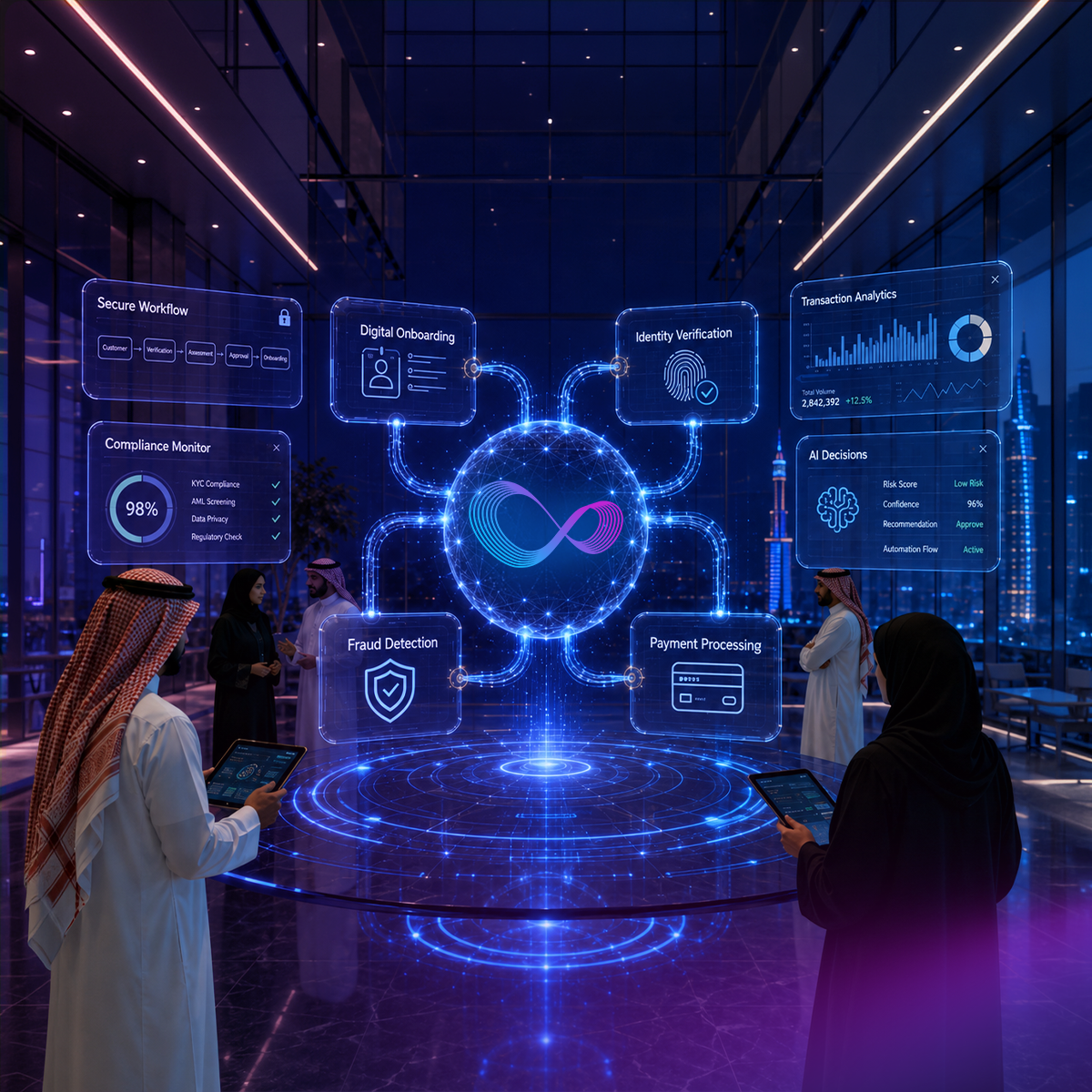
Discover how AI is transforming fintech customer experience in 2026 — from KYC and fraud alerts to Arabic-first support across MENA financial markets.
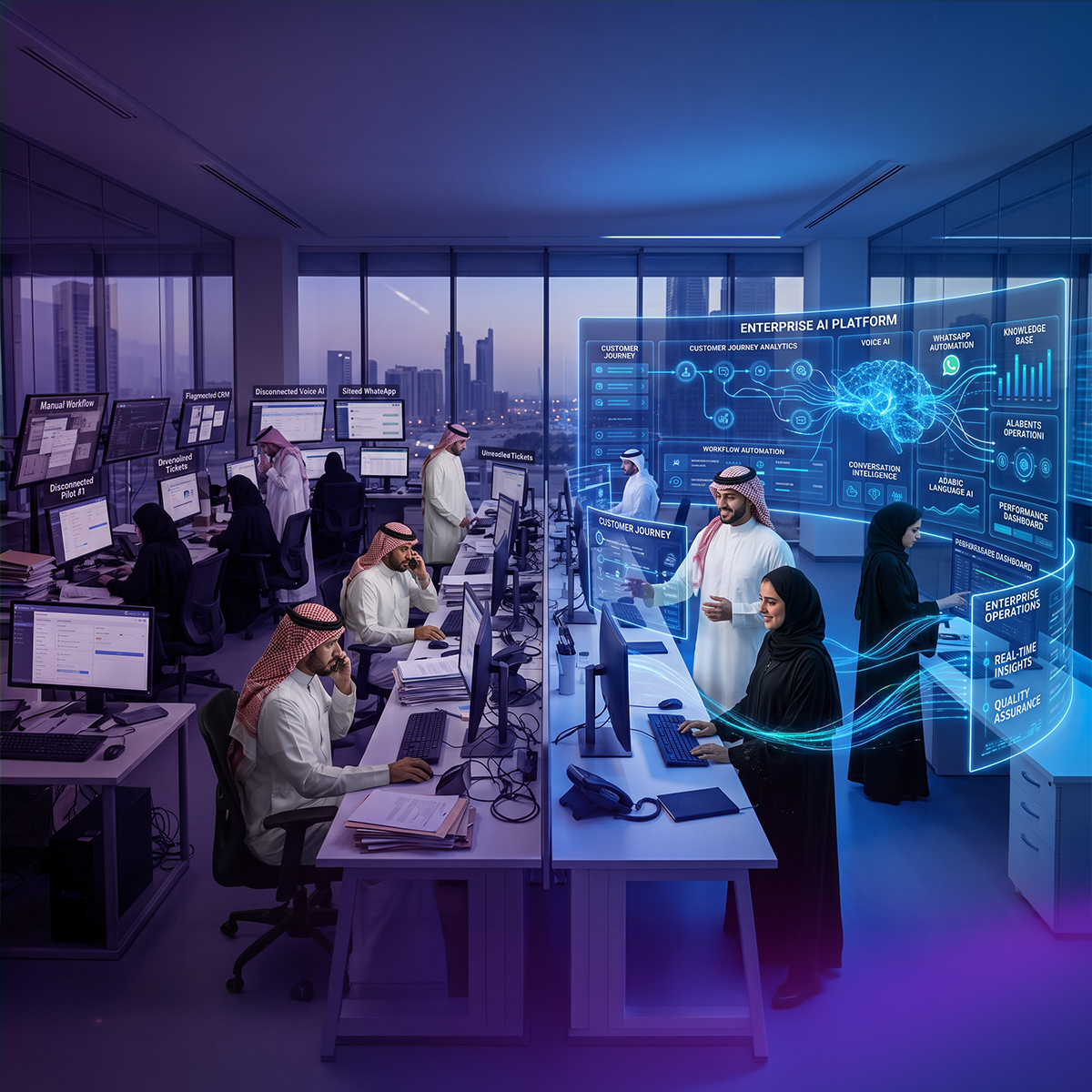
Most CX automation deployments stall before daily operational use. This guide covers 10 CX automation best practices, from escalation design to omnichannel continuity, with specific guidance for multilingual and Arabic-first contact centers.
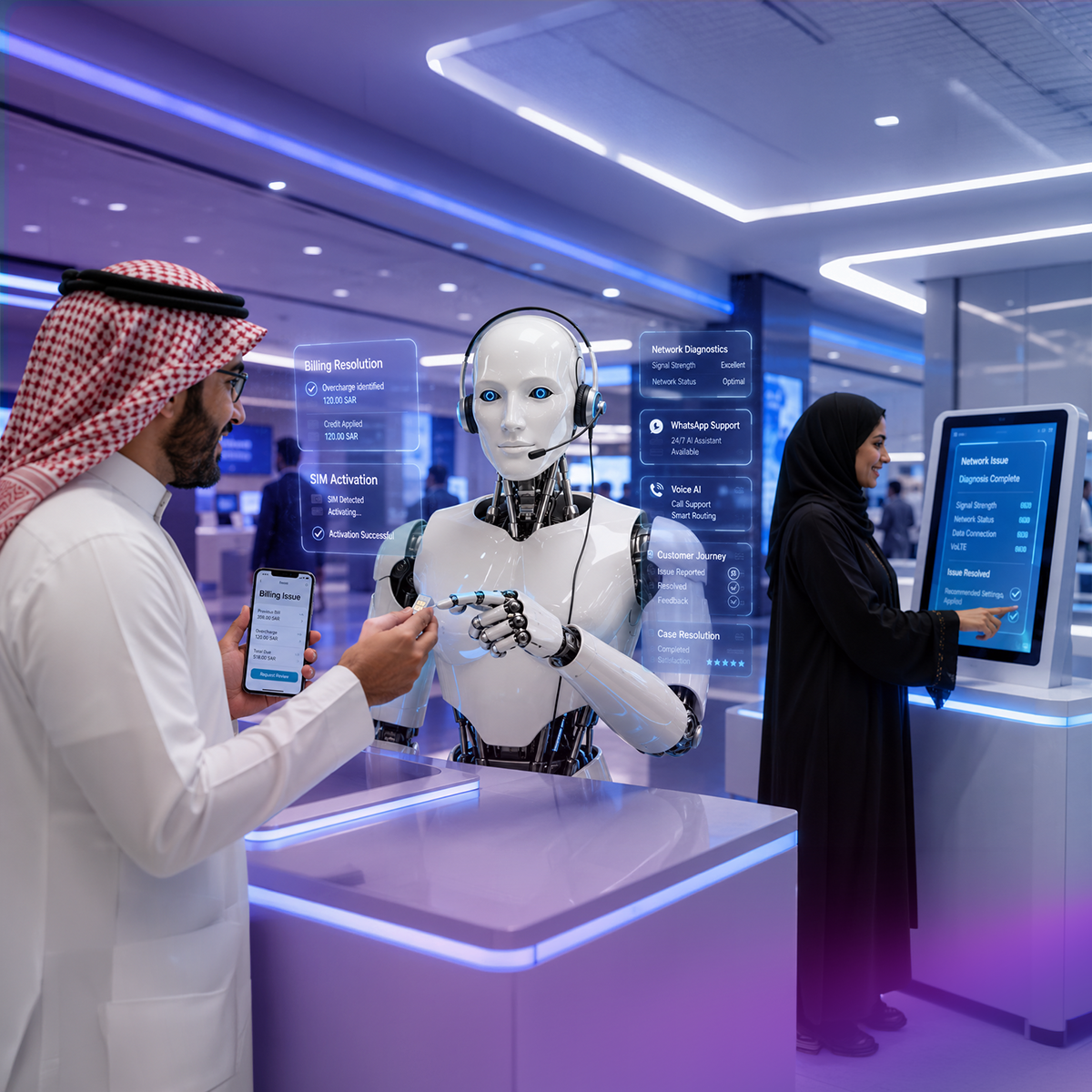
Explore how AI is transforming telecom customer experience. Compare top platforms including NICE CXone and Arabic-first alternatives built for MENA telecom operators.
Wittify.ai is a pioneering AI company specializing in the development of AI agents and applications aimed at automating and streamlining customer engagement activities and processes across various industries. Our mission is to empower businesses by enhancing their customer experience operational efficiency and enabling innovation through intelligent automation.

Information security management system
Business Continuity Management System
Quality Management System

Personal Data Protection Law Compliance
Personal Data Protection Law Compliance
General Data Protection Regulation Compliance


.png)


