


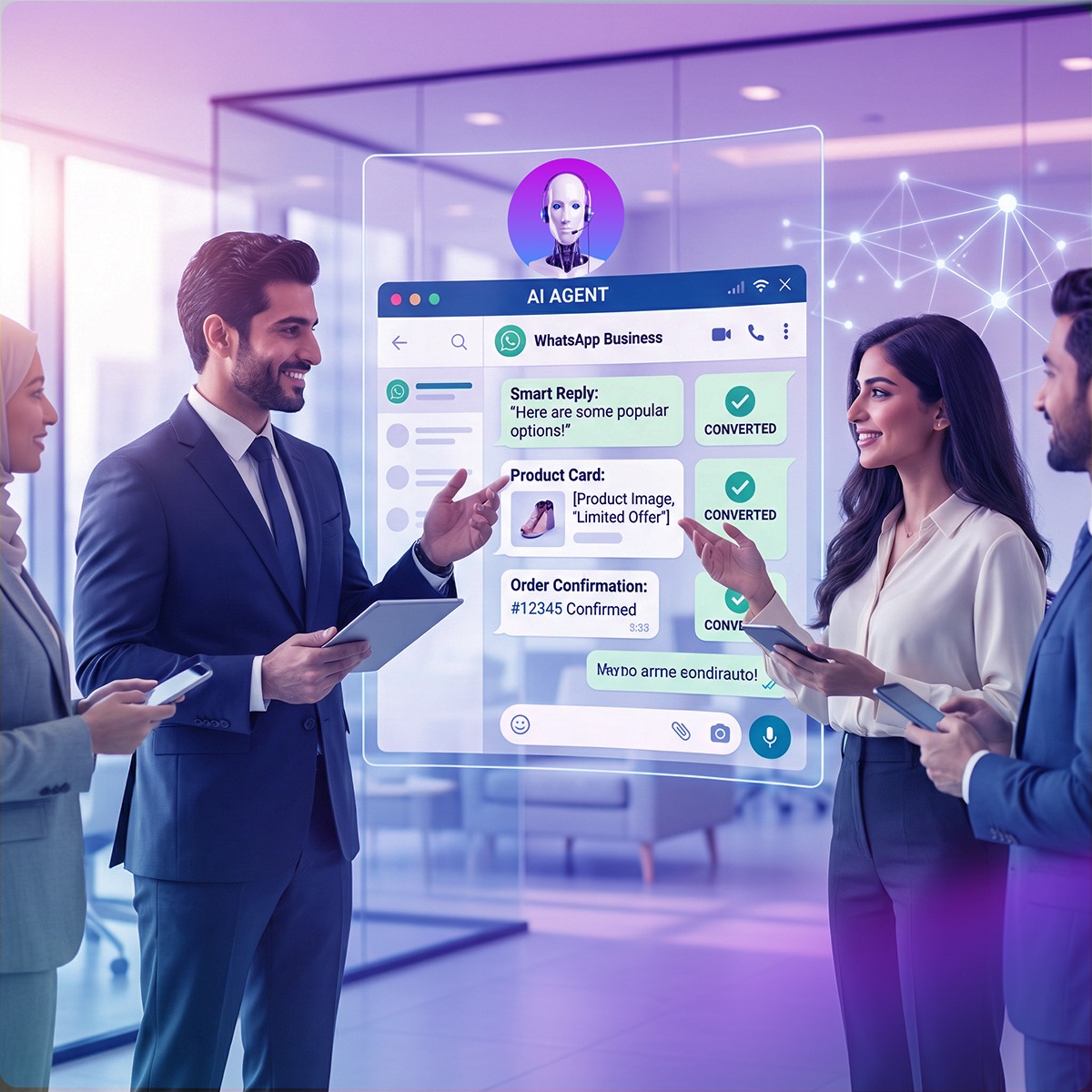
Discover why WhatsApp is becoming the most powerful sales channel in 2026. Learn how Wittify's conversational commerce and AI-driven sales agents help businesses engage customers, qualify leads, and boost revenue at scale.
For years, growth strategies relied on a familiar mix: email campaigns, paid ads, web forms, and call centers. But customer behavior has shifted. Buyers are more impatient, more informed, and less tolerant of friction. They don’t want to wait, search, or repeat themselves.
In 2026, the question won’t be “Which sales channels are you using?”
It will be “Which channels can actually hold a real conversation?”
This shift is why WhatsApp has evolved from a simple messaging app into one of the most powerful sales channels in the world, especially when paired with AI-driven conversational intelligence.
Most traditional sales channels were built for a different era.
These channels share one core weakness: they are transactional, not conversational.
Modern customers expect:
When sales channels fail to deliver this, conversion rates suffer, regardless of how much traffic you generate.
WhatsApp is no longer just a communication tool. It has become a conversational commerce platform.
With billions of active users globally and deep penetration across regions like the Middle East, Europe, Latin America, and Asia, WhatsApp offers something other channels cannot:
Direct, trusted, one-to-one access to customers.
Unlike email or web chat:
This makes WhatsApp uniquely suited for sales conversations — from first inquiry to final conversion.
Several factors are converging to make WhatsApp the leading sales channel for the next phase of digital commerce.
People don’t want to learn new tools to talk to businesses. They want businesses to meet them where they already are, and WhatsApp is where conversations already happen.
Sales is no longer about broadcasting offers. It’s about dialogue:
WhatsApp enables this naturally.
Text, voice notes, images, documents, product catalogs, all in one thread. This removes friction and accelerates decision-making.
Compared to ads or unknown phone numbers, WhatsApp feels personal and credible. This trust directly impacts conversion rates.
From retail and e-commerce to enterprise services and government, WhatsApp supports high-volume inquiries and high-value sales alike.
Despite its potential, many companies fail to generate meaningful revenue from WhatsApp.
The reasons are consistent:
In short, WhatsApp alone is not a sales strategy.
Without intelligence, automation, and context-awareness, it becomes just another inbox, overloaded and underperforming.
This is where the real transformation happens.
The future of WhatsApp sales is not chatbots.
It is AI sales agents.
Unlike traditional bots, AI sales agents can:
This shift turns WhatsApp from a support channel into a revenue-generating sales engine.
Wittify.ai approaches WhatsApp sales differently.
Instead of deploying generic chatbots, Wittify enables enterprise-grade AI sales agents designed for real-world business complexity.
With Wittify, WhatsApp becomes a fully integrated part of your sales infrastructure, not a standalone experiment.
Across industries, WhatsApp AI sales agents are already transforming how revenue is generated.
AI agents engage inbound leads instantly, ask the right questions, and route qualified prospects to sales teams with full context.
Customers explore products or services conversationally instead of navigating complex websites.
From demos to consultations, bookings happen directly inside the WhatsApp conversation.
AI-driven follow-ups are timely, personalized, and consistent — without overwhelming sales teams.
Large organizations handle thousands of inquiries without sacrificing response quality or compliance.
Each channel has a role, but WhatsApp stands out as the most conversion-ready channel going into 2026.
Leading organizations will not ask:
“Should we use WhatsApp for sales?”
They will ask:
“How intelligent is our WhatsApp sales channel?”
The winners will be those who:
In 2026, the best sales channel won’t be the one with the biggest budget or the loudest ads.
It will be the channel that:
WhatsApp, powered by AI sales agents, is no longer optional.
It is becoming the foundation of modern conversational commerce.
And now you can make it smarter.
.jpeg)
Most contact centers still rely on sample-based QA. The real issue is not speed. It is visibility across every interaction, channel, and agent. Sample-based QA no longer gives contact centers the visibility they need. Here is why modern teams need broader insight across human and AI-led interactions.
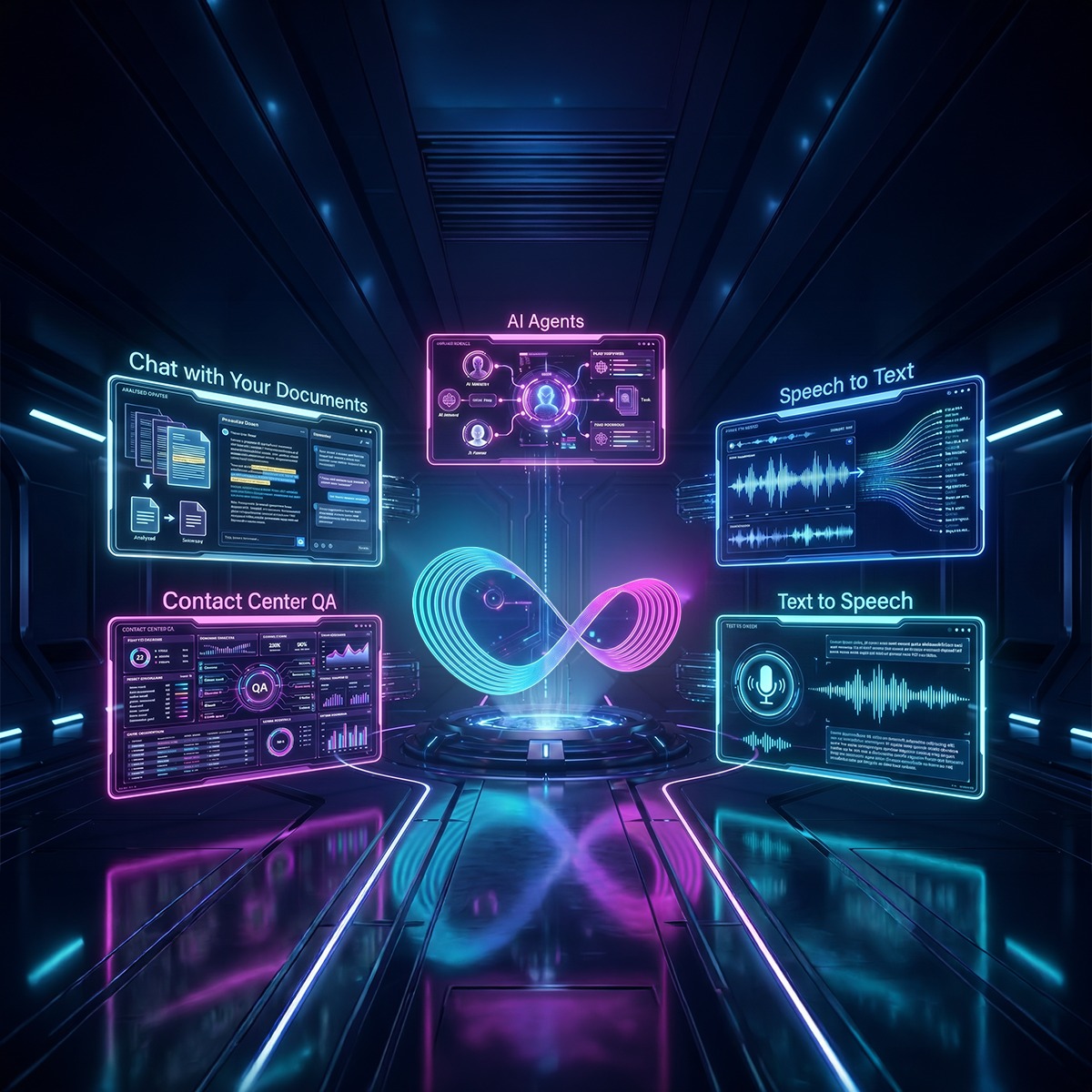
Wittify began with AI Agents that could act. Today, they listen across Arabic dialects, sound human, review 100% of conversations, and cite every answer from your data. Here’s how Wittify’s five products evolved into an accountable enterprise AI stack.

Google has launched Gemini's Personal Intelligence feature across the Arab world, connecting Gmail, Photos, and personal apps for tailored AI experiences. Here's what this means for Arabic-speaking users and enterprise conversational AI in the MENA region.
Wittify.ai is a pioneering AI company specializing in the development of AI agents and applications aimed at automating and streamlining customer engagement activities and processes across various industries. Our mission is to empower businesses by enhancing their customer experience operational efficiency and enabling innovation through intelligent automation.

Information security management system
Business Continuity Management System
Quality Management System

Personal Data Protection Law Compliance
Personal Data Protection Law Compliance
General Data Protection Regulation Compliance


.png)


