


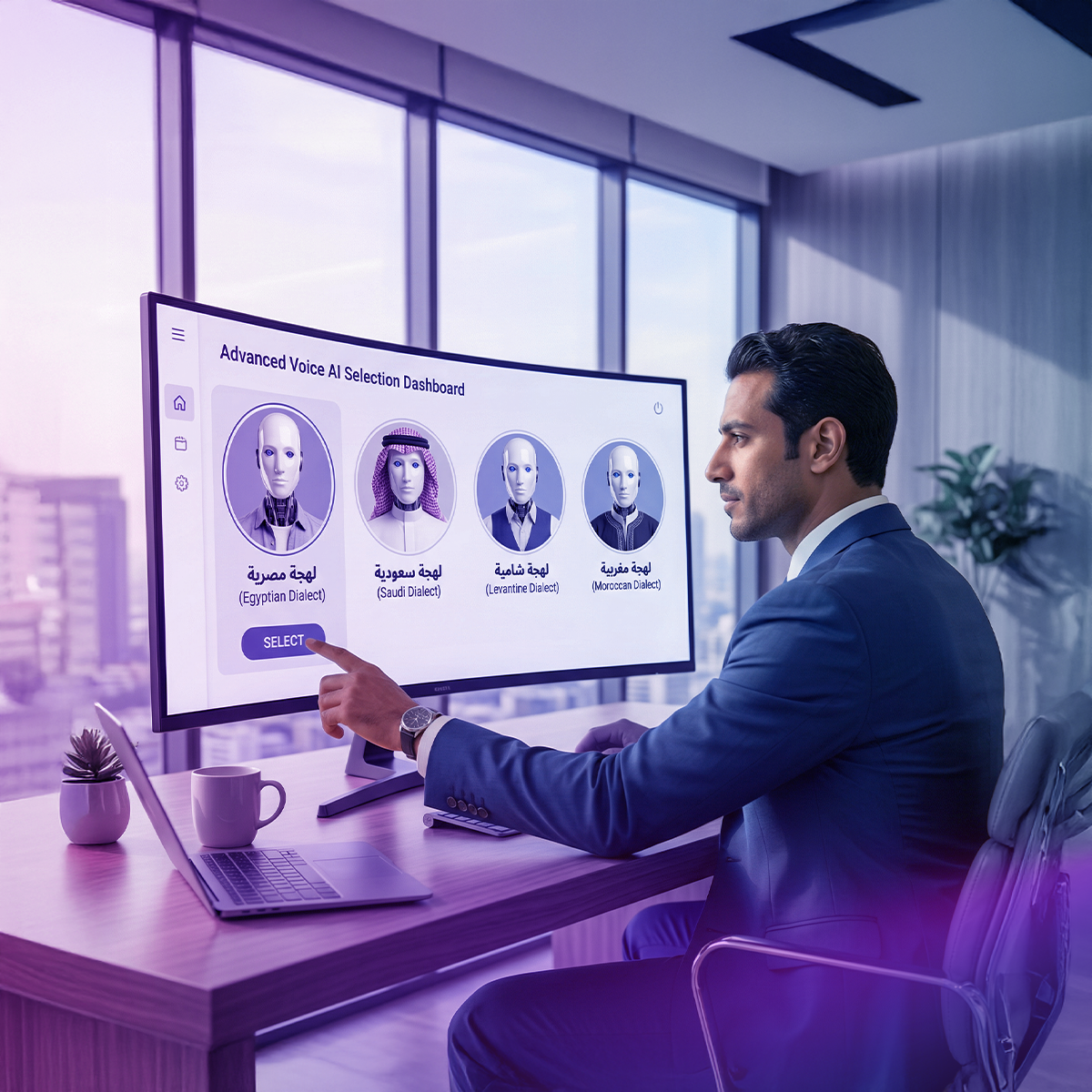
Is your bot speaking "Broken Classical Arabic" that alienates customers? Discover why global platforms fail in the MENA region and why choosing a dialect-native No-Code AI Agent Builder is the secret to sales success in Saudi Arabia, Egypt, and the GCC.
Imagine walking into a luxury perfume boutique in Riyadh, ready to make a purchase. A salesperson approaches you with a stiff, frozen smile and says in a mechanical, robotic voice: "Greetings, respected sir. Do you wish to acquire our aromatic products of elevated quality?"
It feels wrong. The words are grammatically correct, but the soul is missing. Subconsciously, your guard goes up. You might even leave to find a seller who simply says with a warm smile: "Ya Hala! Welcome, what kind of scent are you looking for today?"
This scenario plays out across the Middle East every day. Companies spend massive budgets on global AI tools, only to discover they have built a "robot that talks like a tourist". In 2026, customers want a brand that understands their culture and speaks their language naturally.
Most global platforms use an "English-First" architecture. When operating in Arabic, they rely on a friction-heavy Translation Layer:
The Result: Cold, "Translator’s Arabic" that creates a psychological barrier. By using a native No-Code AI Agent Builder like Wittify, this layer is eliminated. The system thinks in Arabic, understands cultural context, and replies in a warm, natural dialect.
Arabic is a high-context language where one phrase can have multiple meanings. Take "Ya'teek Al-Afiah":
Global tools often fail to capture this sentiment. Wittify’s agents are trained on local datasets to recognize Intent and Sentiment, protecting your brand from embarrassing or tone-deaf responses.
In marketing, familiarity breeds trust. A customer relaxes when they hear regional honorifics like "Abshir" (Saudi/Kuwaiti) or "Ya Fandem" (Egyptian).
Wittify’s No-Code builder allows you to select a specific Agent Persona without any coding:
Slang evolves rapidly on social media with terms like "Kashkha" or "Hibba". While global platforms are slow to update, a local builder allows you to update your agent’s dictionary in seconds. If a customer says "Kashkha" (stylish), you can instantly program your agent to recognize it as a compliment.
The human ear is sensitive to unnatural speech. Robotic voices that mispronounce letters like "Dhad" (ض) cause customers to hang up immediately.
Wittify’s Voice Agents feature:
AI is about culture, not just language. Global tools trained on Western data can be too "bold" or informal, which may be perceived as rude. A Culturally Aware agent understands how to address elders and use proper honorifics, ensuring your brand avoids social faux pas.
You are not building a robotic answering machine; you are building a Digital Ambassador. In the market of 2026, the brand that speaks to the heart wins the wallet. Choosing a local specialist ensures your ambassador speaks your customers' language fluently without needing a translator.
Ready to speak your customers' language? Build your first native Arabic AI agent with Wittify.ai today.
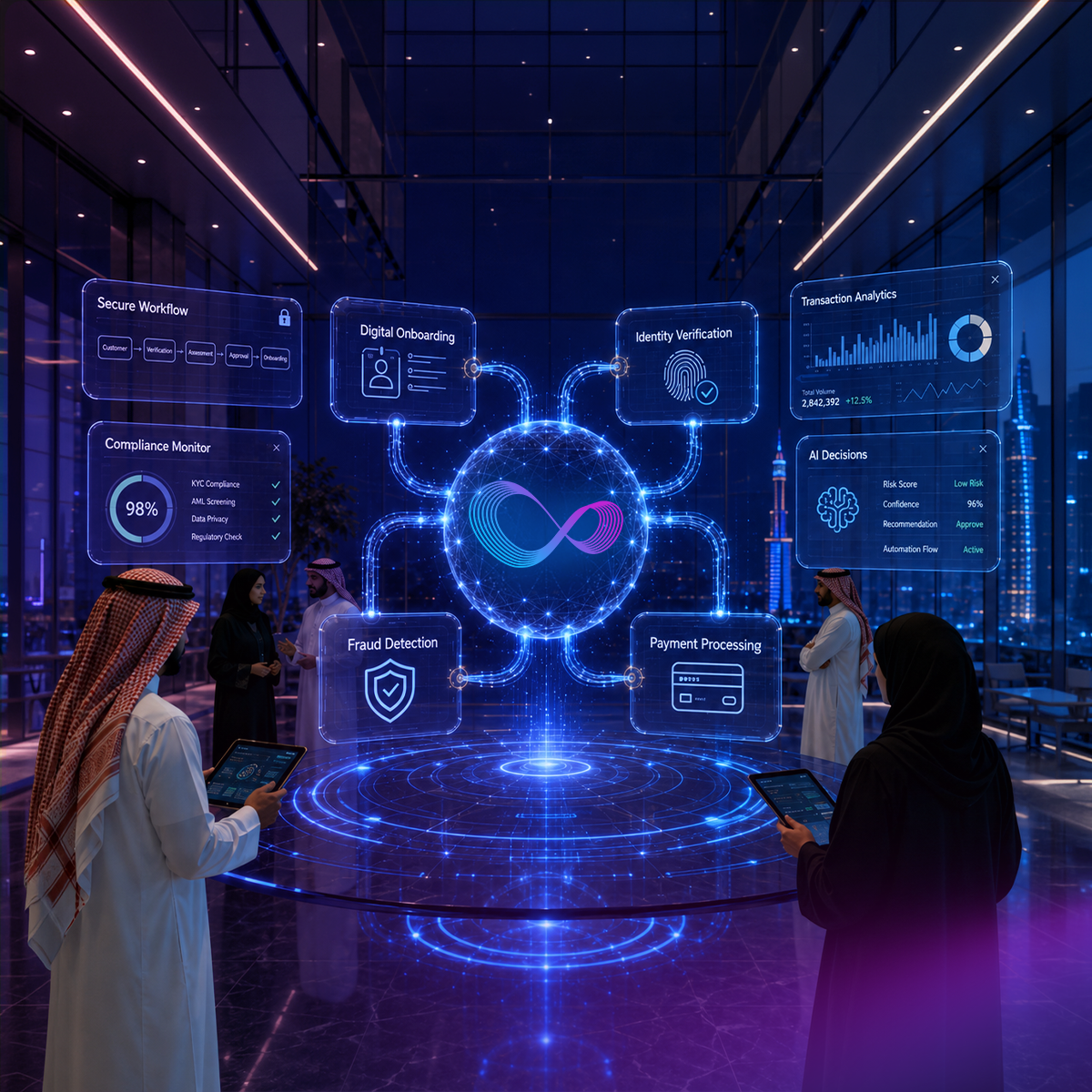
Discover how AI is transforming fintech customer experience in 2026 — from KYC and fraud alerts to Arabic-first support across MENA financial markets.
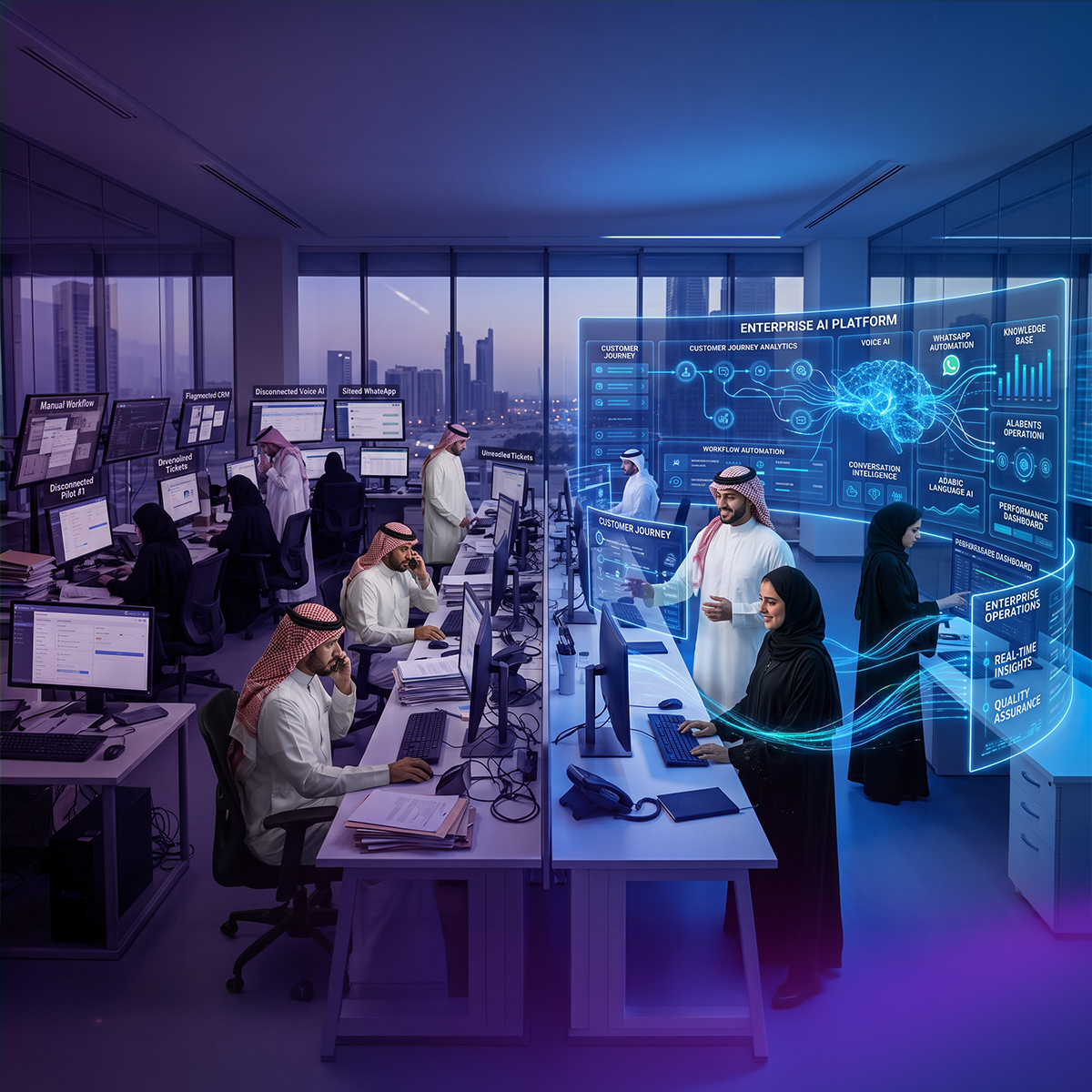
Most CX automation deployments stall before daily operational use. This guide covers 10 CX automation best practices, from escalation design to omnichannel continuity, with specific guidance for multilingual and Arabic-first contact centers.
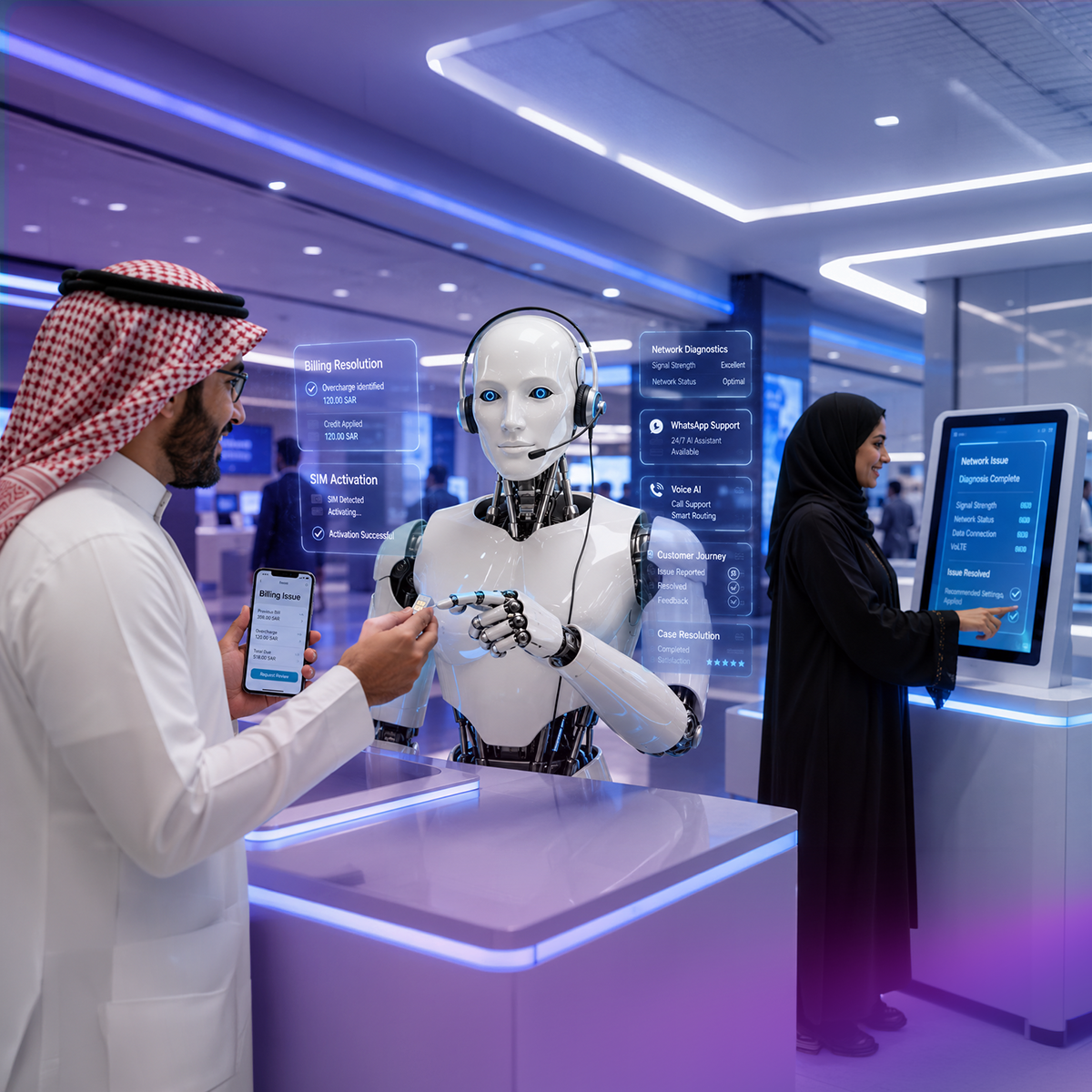
Explore how AI is transforming telecom customer experience. Compare top platforms including NICE CXone and Arabic-first alternatives built for MENA telecom operators.
Wittify.ai is a pioneering AI company specializing in the development of AI agents and applications aimed at automating and streamlining customer engagement activities and processes across various industries. Our mission is to empower businesses by enhancing their customer experience operational efficiency and enabling innovation through intelligent automation.

Information security management system
Business Continuity Management System
Quality Management System

Personal Data Protection Law Compliance
Personal Data Protection Law Compliance
General Data Protection Regulation Compliance


.png)


