


.png)
Today’s sales environments are undergoing a major transformation with AI, which is now about turning data into smart decisions and instant marketing initiatives. Platforms like Salesforce and HubSpot have always been the beating heart of Customer Relationship Management (CRM) systems, but when combined with advanced AI solutions such as Wittify.ai, they become intelligent engines capable of generating new sales opportunities, closing deals faster, and achieving unprecedented levels of customer experience personalization.
Today’s sales environments are undergoing a major transformation with AI, which is now about turning data into smart decisions and instant marketing initiatives. Platforms like Salesforce and HubSpot have always been the beating heart of Customer Relationship Management (CRM) systems, but when combined with advanced AI solutions such as Wittify.ai, they become intelligent engines capable of generating new sales opportunities, closing deals faster, and achieving unprecedented levels of customer experience personalization.
What Is Sales AI?
Sales AI is a set of technologies and algorithms capable of analyzing the behavior of potential and current customers, predicting their needs, and automating communication with them at the right moment in the most suitable way. Here are some real examples of AI in sales:
Introduction to Salesforce and HubSpot
Salesforce is known for its powerful capabilities in managing customer data at scale, with predictive and analytical features that support data-driven decision-making. HubSpot stands out for its ease of use and integrated interface, making it the preferred choice for companies seeking a seamless CRM experience with strong sales and marketing tools.
Benefits of Integrating AI with These Platforms
The benefits of using AI through these platforms, such as Wittify.ai, include:
How Does Wittify.ai Facilitate This Integration?
This is where Wittify.ai demonstrates its strength. The Saudi company has combined full support for local Arabic dialects and deep cultural understanding with world-class AI capabilities. Key features include:
Practical Examples
Result: 35 work hours were saved per month for each sales rep, enabling a 40% increase in daily customer calls.
Result: an additional $20,000 in deals closed within 30 days.
One expert commented: “AI appears across the entire organization and has immense potential to add value to sales… it enables sales teams to become more productive and effective through intelligence-driven and predictive interactions.”
Practical Steps for Successful Integration
There are several important steps to succeed in using this integration strategy:
Don’t Let the Competition Get Ahead. With Wittify.ai, you gain the power of global AI combined with deep understanding of local dialects and culture, plus instant integration with Salesforce and HubSpot. Whether you are a sales manager, startup owner, or CRM administrator, the solution is in your hands now to increase revenue, accelerate deals, and improve customer experience. Contact us today for a free trial and discover how we can turn your data into real sales opportunities.
Conclusion
Integrating AI with CRM systems like Salesforce and HubSpot is the ideal choice to achieve competitive advantage. With a partner like Wittify.ai, you can combine technological power with precise cultural and linguistic customization—transforming every sales opportunity into guaranteed success and driving sustainable revenue growth.
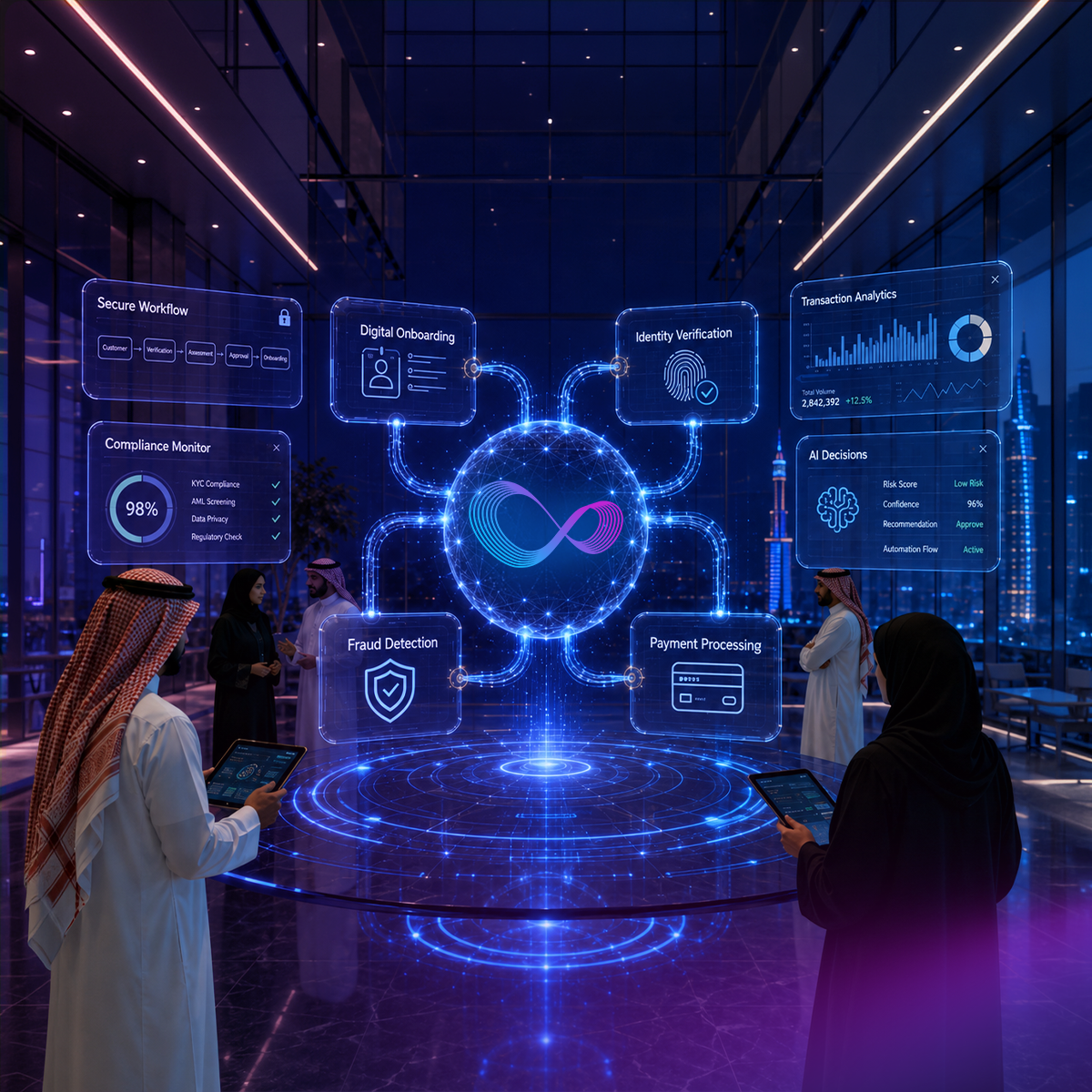
Discover how AI is transforming fintech customer experience in 2026 — from KYC and fraud alerts to Arabic-first support across MENA financial markets.

Most CX automation deployments stall before daily operational use. This guide covers 10 CX automation best practices, from escalation design to omnichannel continuity, with specific guidance for multilingual and Arabic-first contact centers.
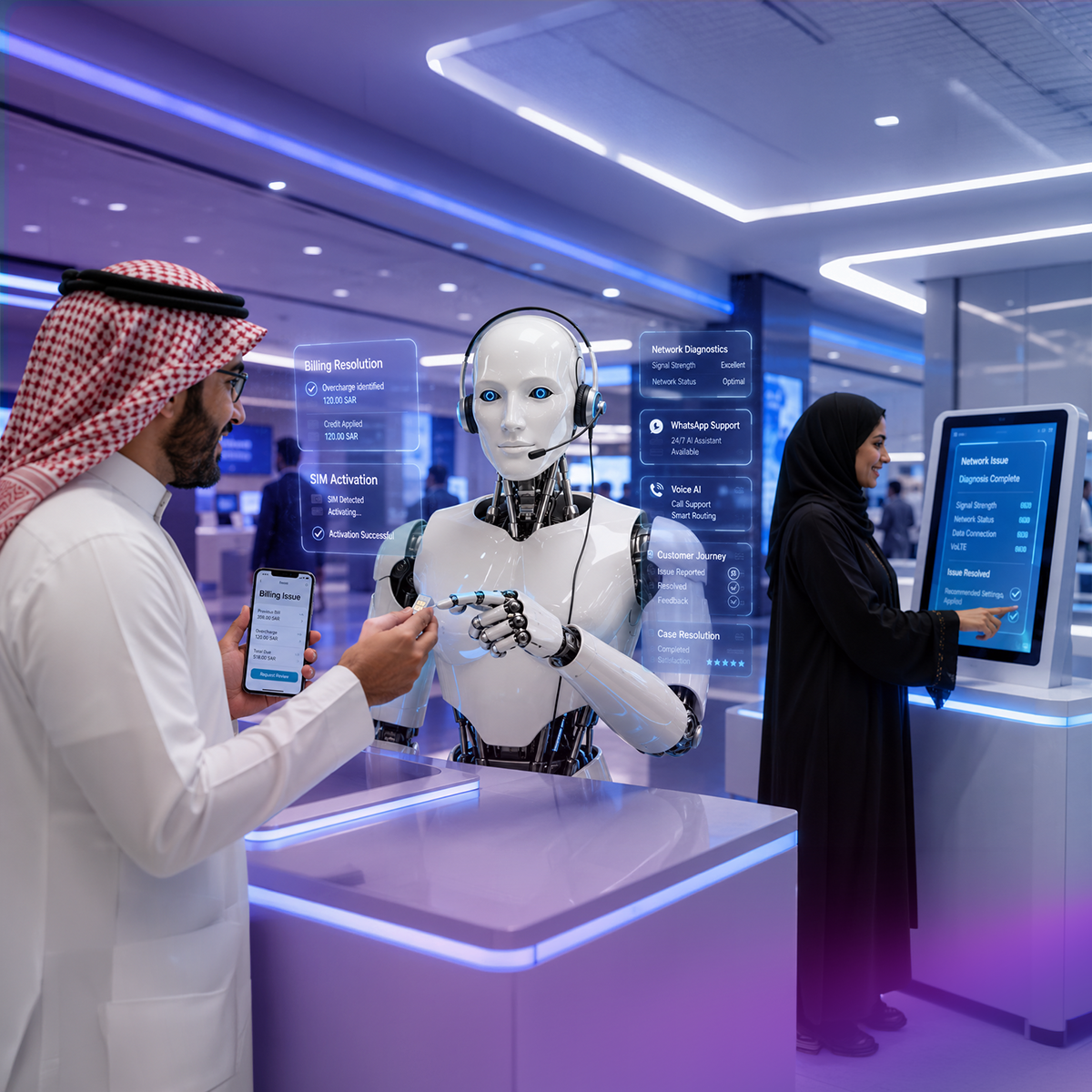
Explore how AI is transforming telecom customer experience. Compare top platforms including NICE CXone and Arabic-first alternatives built for MENA telecom operators.
Wittify.ai is a pioneering AI company specializing in the development of AI agents and applications aimed at automating and streamlining customer engagement activities and processes across various industries. Our mission is to empower businesses by enhancing their customer experience operational efficiency and enabling innovation through intelligent automation.

Information security management system
Business Continuity Management System
Quality Management System

Personal Data Protection Law Compliance
Personal Data Protection Law Compliance
General Data Protection Regulation Compliance


.png)


