


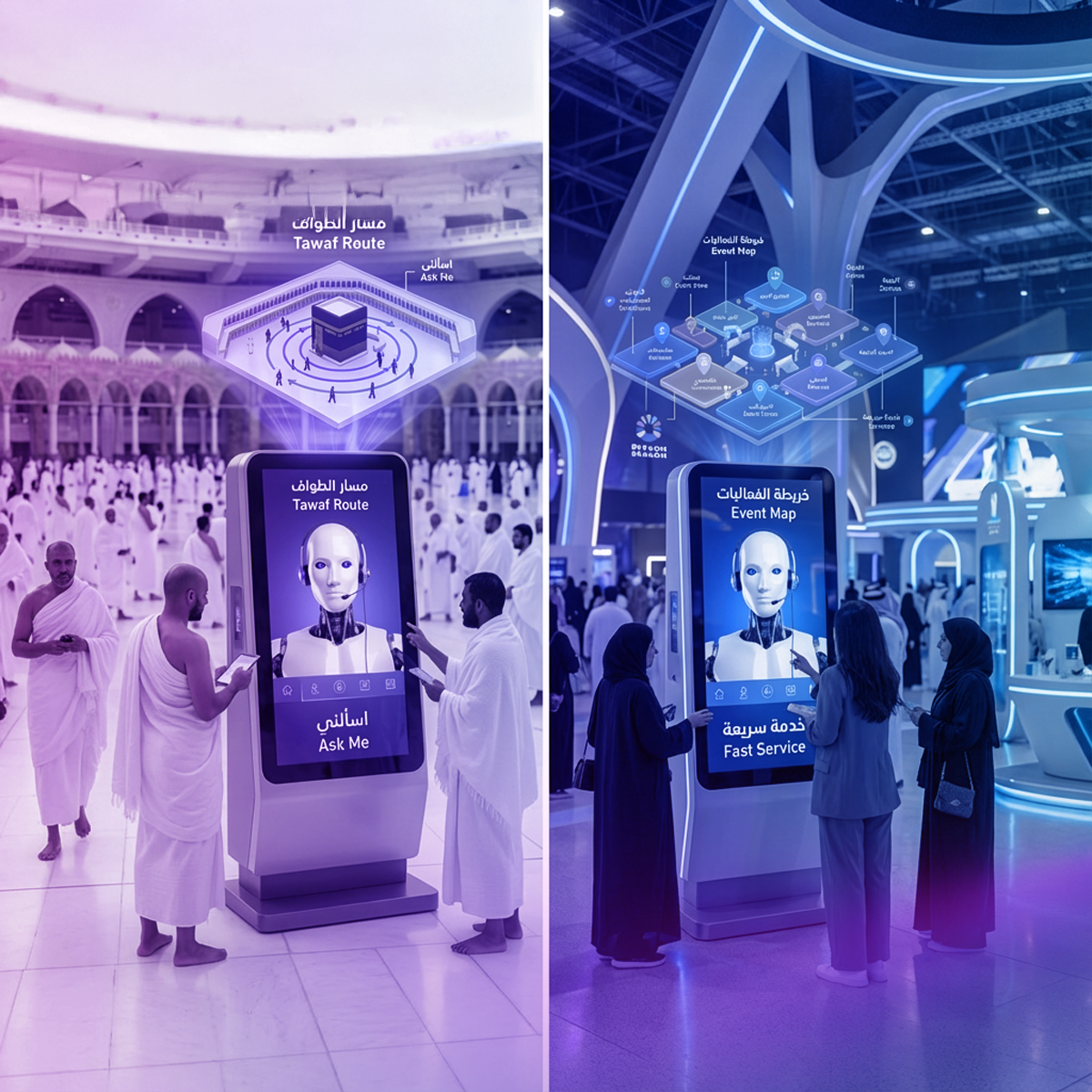
Scale your support for Riyadh Season and Hajj with Enterprise Voice AI. Automate crowd management, handle millions of inquiries in Arabic, English, and Urdu, and eliminate wait times during peak events.
In the Kingdom of Saudi Arabia, tourism is officially the "new oil." Under Vision 2030, the goal is to attract 150 million visitors annually by the end of the decade.
The scale of events in the Kingdom is staggering. Riyadh Season alone attracts over 12 million visitors in a few months. Hajj sees nearly 2 million pilgrims congregate in a specific geographic area within a specific week. Umrah is now a year-round activity with millions of performers.
For the organizers, the Ministry of Tourism, and the General Entertainment Authority (GEA), this success brings a massive operational challenge: the communication bottleneck.
When 100,000 people try to book tickets, find parking, or ask for directions simultaneously, traditional call centers collapse. The "Please Hold" message becomes the soundtrack of the event, leading to frustration and safety risks.
This is where Enterprise Voice AI steps in. It is the only technology capable of offering "Infinite Elasticity"—the ability to scale from zero to a million concurrent calls instantly—ensuring that every guest, pilgrim, and tourist is heard.
Historically, preparing for a mega-event like Riyadh Season or Hajj meant one thing: mass hiring. Companies would rush to recruit thousands of temporary call center agents.
This model is fundamentally broken for three reasons:
Enterprise Voice AI changes the economic model. You don't hire capacity; you rent intelligence. The AI scales up instantly when the concert ends and scales down to zero when the crowds go home.
Perhaps the most unique challenge in Saudi tourism is language.
During Hajj, the call center isn't just dealing with Najdi or Hijazi Arabic. It is dealing with Urdu, Malay, French, Turkish, Bengali, and English. Finding a human agent who speaks all these languages and is available at 3:00 AM is nearly impossible.
Platforms like Wittify are built for this linguistic complexity.
How does this look in practice? Here are three scenarios where Voice AI is revolutionizing the guest experience.
Beyond answering questions, Enterprise Voice AI acts as a massive sensor network.
By analyzing the transcripts of thousands of calls in real-time, organizers can detect "heat maps" of issues.
This turns the call center from a reactive cost center into a proactive "Command and Control" asset.
As Saudi Arabia continues to host the world—from the World Cup 2034 to the Expo 2030—the old ways of managing crowds are insufficient.
To deliver a world-class experience that matches the ambition of the Kingdom's infrastructure, the support layer must be equally futuristic. Enterprise Voice AI is the only scalable, multilingual, and cost-effective way to ensure that every "Guest of God" and every tourist leaves with a positive memory.
Prepare for the PeakIs your support team ready for the next season? Don't leave your guest experience to chance. Deploy a multilingual Voice AI agent that scales infinitely.
Start Your Pilot with Wittify Today
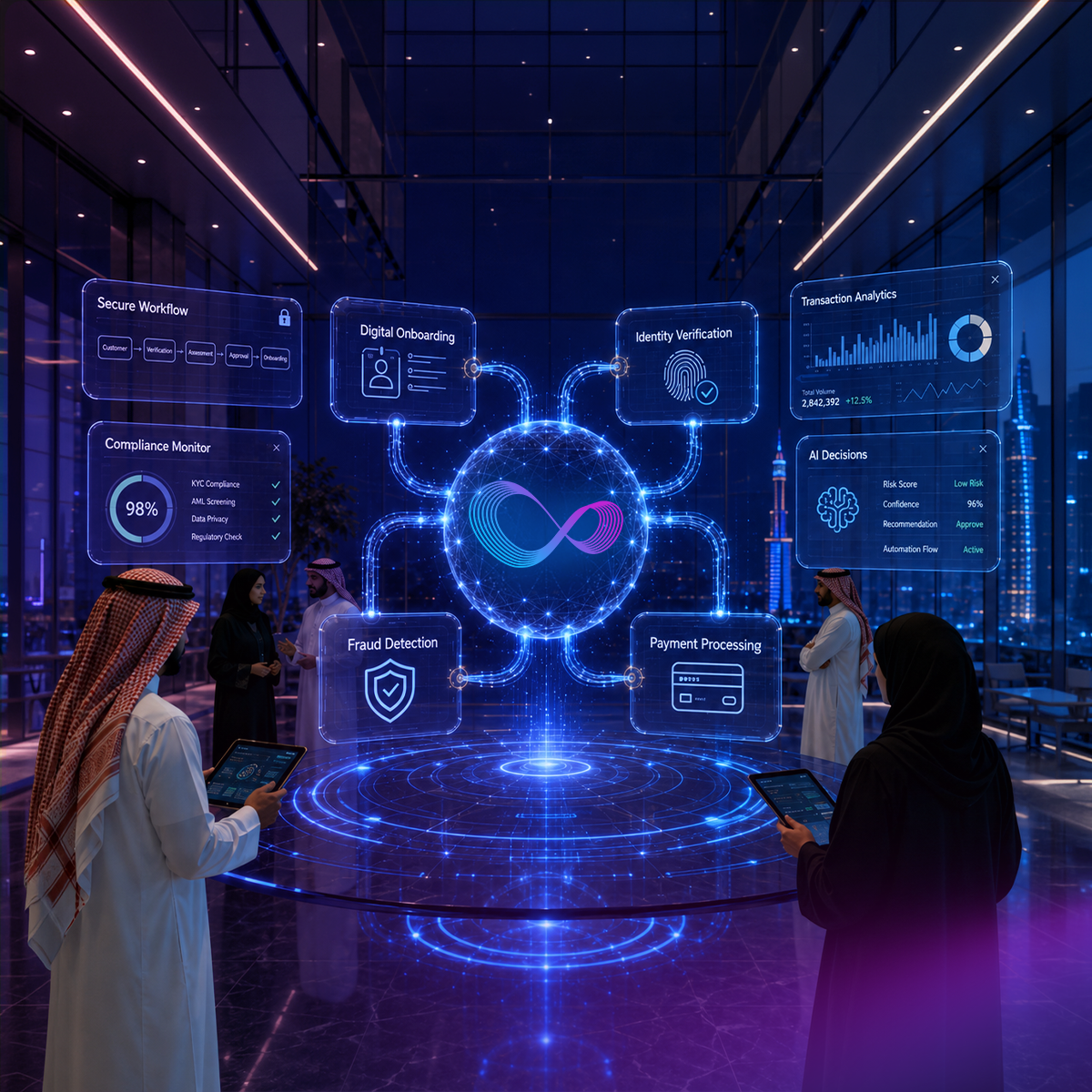
Discover how AI is transforming fintech customer experience in 2026 — from KYC and fraud alerts to Arabic-first support across MENA financial markets.
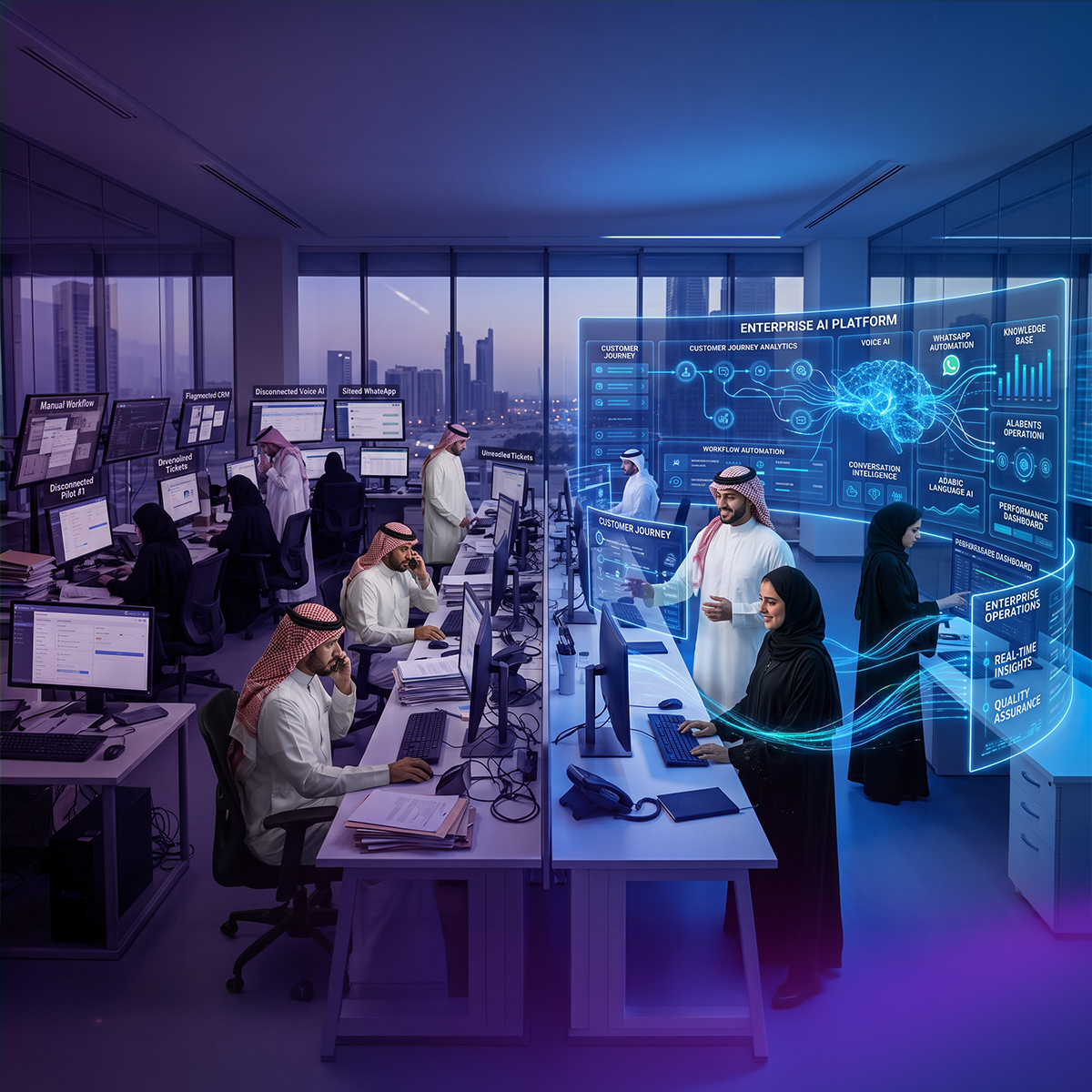
Most CX automation deployments stall before daily operational use. This guide covers 10 CX automation best practices, from escalation design to omnichannel continuity, with specific guidance for multilingual and Arabic-first contact centers.
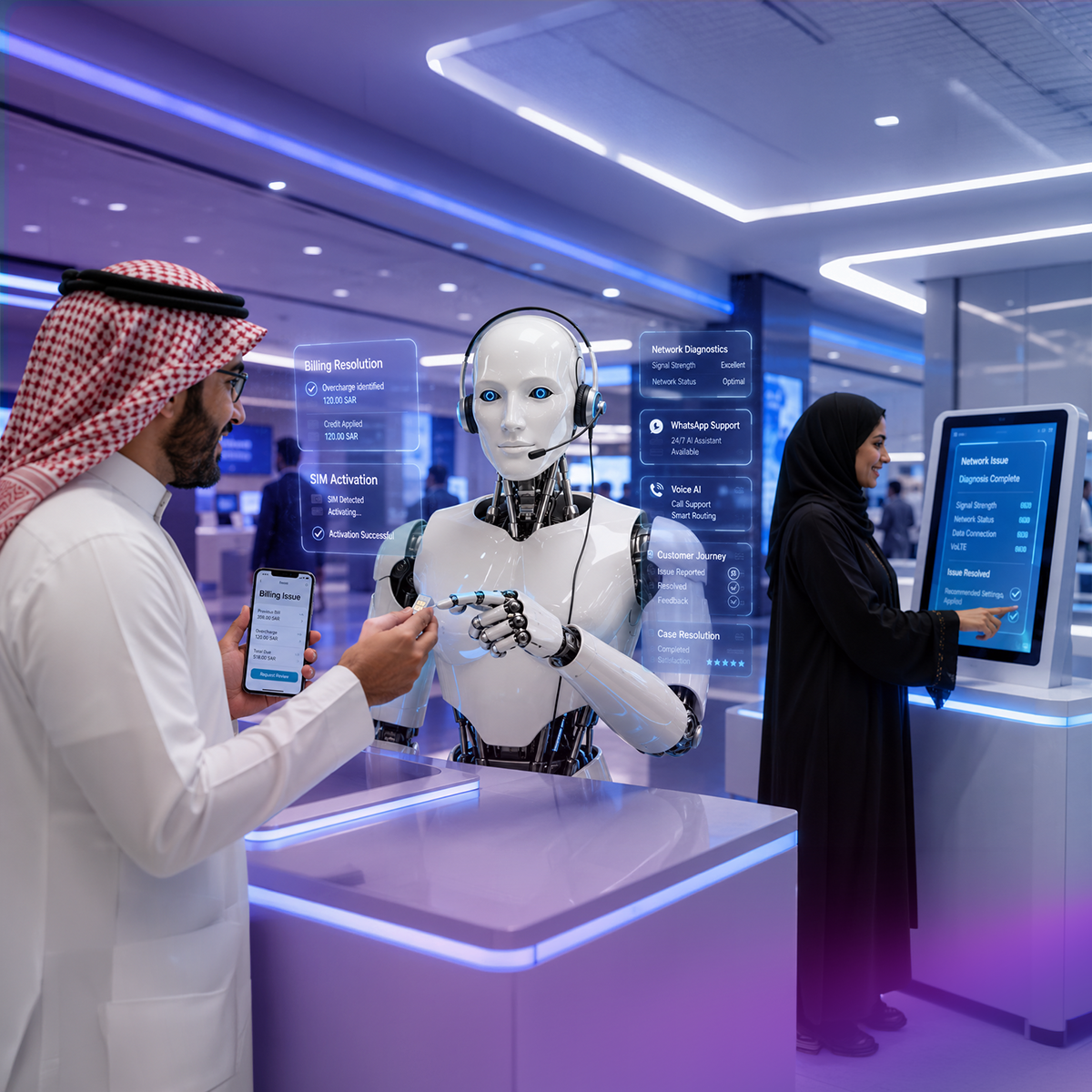
Explore how AI is transforming telecom customer experience. Compare top platforms including NICE CXone and Arabic-first alternatives built for MENA telecom operators.
Wittify.ai is a pioneering AI company specializing in the development of AI agents and applications aimed at automating and streamlining customer engagement activities and processes across various industries. Our mission is to empower businesses by enhancing their customer experience operational efficiency and enabling innovation through intelligent automation.

Information security management system
Business Continuity Management System
Quality Management System

Personal Data Protection Law Compliance
Personal Data Protection Law Compliance
General Data Protection Regulation Compliance


.png)


