



Unlock the power of Enterprise Voice AI. Learn how these sophisticated voice bots drive digital transformation, enhance customer experience, and achieve massive operational efficiency in your business.
Voice is the most natural and immediate way for humans to communicate. For the first time, this fundamental layer of human interaction is becoming a core, programmable asset for businesses. Enterprise Voice AI is the advanced technology that makes this possible, transforming how organizations interact with customers, partners, and employees at scale.
But what exactly is it, and how does it differ from the consumer voice assistants we use every day?
Enterprise Voice AI refers to sophisticated, purpose-built conversational systems that enable businesses to automate complex, high-volume, and mission-critical voice interactions.
Unlike consumer-grade voice assistants (like those in smart speakers) designed for simple, predefined tasks (e.g., checking the weather or playing music), Enterprise Voice AI is engineered for:
Simply put, Enterprise Voice AI is the difference between asking an assistant to set a timer and having an intelligent voice bot resolve a customer's complex billing dispute.
The shift to conversational AI in the enterprise is driven by clear economic and competitive advantages:
Automating routine voice interactions can cut operational costs significantly—often by up to 60% per interaction.
Modern customers expect immediate, personalized service. Voice AI delivers this consistently.
Every voice interaction is a valuable source of data. Enterprise Voice AI captures, tags, and analyzes this spoken data.
Enterprise Voice AI is moving beyond the contact center and becoming a core component of digital transformation across numerous sectors:
In banking, finance, and insurance, Voice AI systems are used for high-security and high-volume tasks. These systems manage loan pre-qualification, provide instant account balance checks, handle initial fraud reporting, and execute secure transactions. The impact is significant: processes like loan pre-qualification can see an 80-90% faster processing time compared to traditional methods.
Voice AI is transforming patient and clinician workflows. Use cases include automated appointment scheduling, efficient prescription refills, automated medical documentation (voice-to-EMR), and patient follow-ups. By taking over repetitive administrative tasks, Voice AI reduces staff burnout and ensures accurate, timely data entry, which is critical for compliance.
For customer-facing retail operations, Voice AI provides seamless and immediate service. It handles order tracking, automates returns processing, assists with detailed product searches, and even delivers proactive upsell/cross-sell recommendations based on purchase history. This functionality boosts conversion rates and significantly improves inventory accuracy through real-time updates.
In environments where hands are busy or conditions are difficult, Voice AI provides crucial support. It enables hands-free maintenance logging, facilitates safety checks, and ensures rapid inventory updates in noisy or remote settings. By allowing workers to communicate with systems using only their voice, it increases safety and ensures faster, more accurate data capture for compliance.
The voice AI market is expanding rapidly, with projections showing significant growth (a CAGR of over 37% for voice AI agents). This growth is driven by:
Enterprise Voice AI is no longer a futuristic concept; it is an essential platform for any business seeking to optimize operations, achieve hyper-scale, and deliver a best-in-class customer experience in the digital age.
Ready to harness the power of intelligent automation for your organization's voice channels?
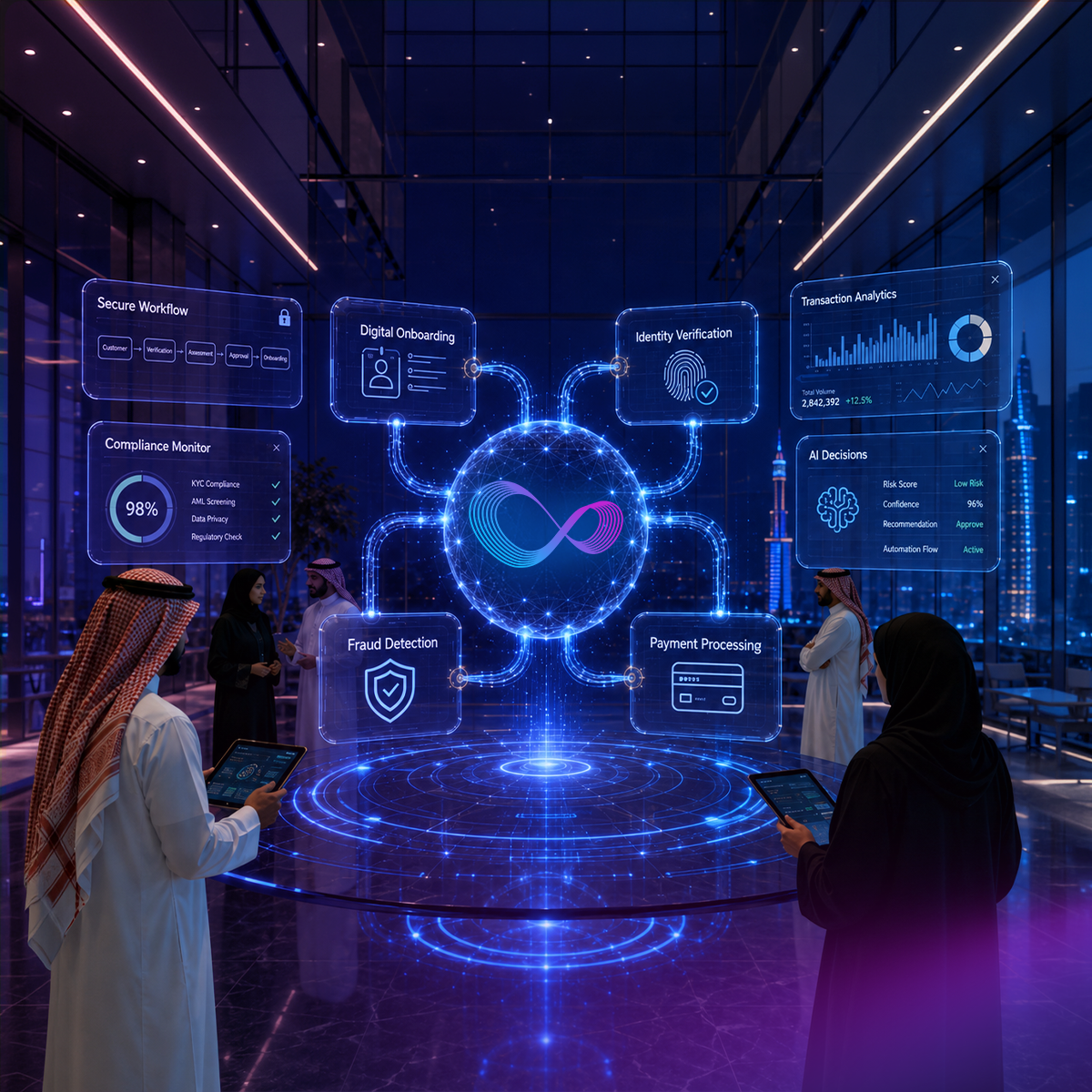
Discover how AI is transforming fintech customer experience in 2026 — from KYC and fraud alerts to Arabic-first support across MENA financial markets.

Most CX automation deployments stall before daily operational use. This guide covers 10 CX automation best practices, from escalation design to omnichannel continuity, with specific guidance for multilingual and Arabic-first contact centers.
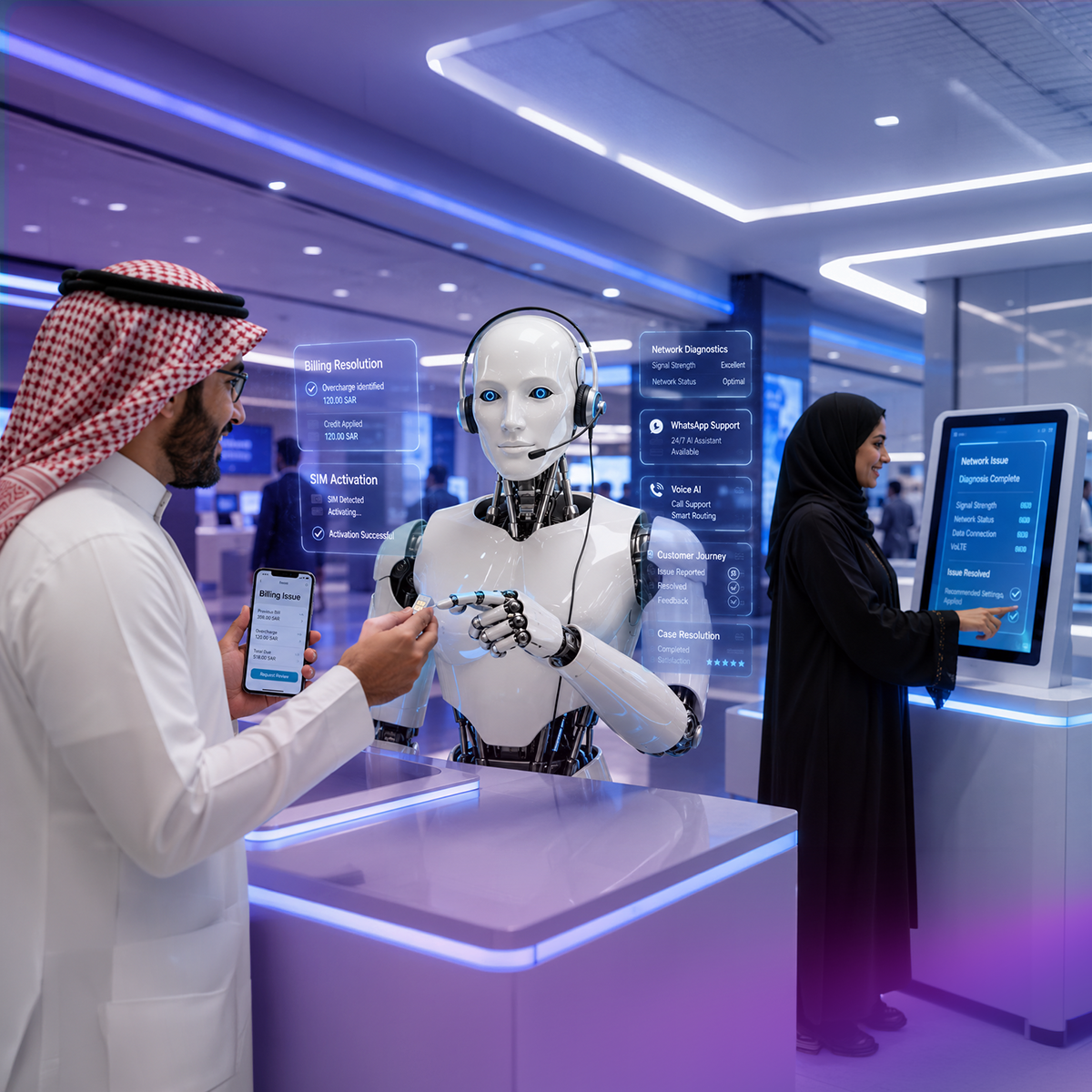
Explore how AI is transforming telecom customer experience. Compare top platforms including NICE CXone and Arabic-first alternatives built for MENA telecom operators.
Wittify.ai is a pioneering AI company specializing in the development of AI agents and applications aimed at automating and streamlining customer engagement activities and processes across various industries. Our mission is to empower businesses by enhancing their customer experience operational efficiency and enabling innovation through intelligent automation.

Information security management system
Business Continuity Management System
Quality Management System

Personal Data Protection Law Compliance
Personal Data Protection Law Compliance
General Data Protection Regulation Compliance


.png)


