


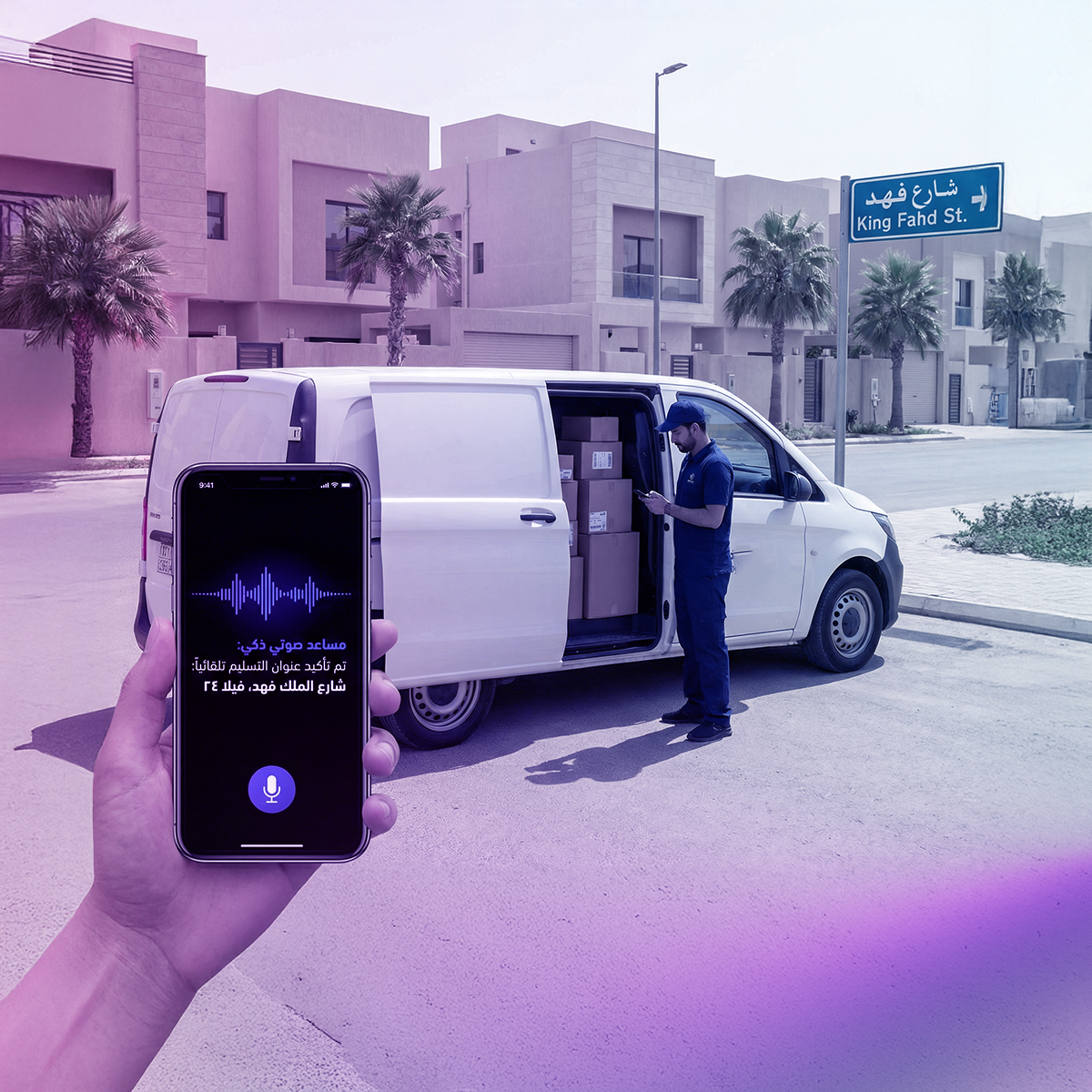
Reduce Return-to-Origin (RTO) rates by automating delivery coordination. Learn how Voice AI handles address verification and "Send Location" requests via WhatsApp in Saudi Arabia.
If you live in Riyadh, Jeddah, or Dammam, you know the routine. You order something online, and on the day of delivery, you receive a phone call from an unknown number. You answer, and you hear the five words that define the Saudi e-commerce experience:
"Hello, sir. Please send location."
While this cultural workaround—sending a WhatsApp pin—has become the norm, it is a logistical nightmare for delivery companies. It represents a massive inefficiency in the "Last Mile," the most expensive part of the shipping process.
Drivers waste hours every day pulling over to make calls, waiting for WhatsApp replies, and struggling with language barriers. But there is a better way. Enterprise Voice AI is stepping in to automate this coordination, ensuring the driver has the right location before the truck even starts its engine.
In the traditional model, the courier is not just a driver; they are a call center agent. This is problematic for several reasons:
Imagine a scenario where the driver never has to pick up the phone.
With Enterprise Voice AI, the logistics platform triggers an automated, intelligent call to the customer at 8:00 AM, long before the driver reaches the neighborhood.
Here is how a platform like Wittify handles this flow:
The AI calls the customer: "Marhaba, you have a shipment from Amazon arriving today. Will you be at home between 2 PM and 4 PM?"
If the address is unclear (a common issue despite the National Address system), the AI takes initiative.
The AI can ask for specific details that a driver might struggle to get: "Is there a gate code?" or "Should we leave it at the reception?" This data is appended to the delivery ticket text.
The most powerful feature of deploying Enterprise Voice AI in Saudi logistics is its ability to be a universal translator.
The AI can speak to the customer in flawless Saudi dialect (Najdi or Hijazi) to ensure clarity. Simultaneously, it can update the driver's app in their preferred language (English, Urdu, etc.). This decoupling of communication ensures that the customer gets a premium experience, and the driver gets clear, actionable data.
For logistics managers, the math is simple. By removing the burden of communication from the driver:
The "Send Location" culture was a necessary bridge during the early days of Saudi e-commerce. But as volume scales, we cannot rely on drivers using personal phones to navigate complex cities.
By adopting Enterprise Voice AI, logistics companies can professionalize the last mile, turning a chaotic coordination process into a seamless, automated workflow.
Optimize Your Delivery Fleet Today
Stop wasting fuel on failed deliveries. Let Wittify verify addresses and coordinate times automatically.
Start Your Free Pilot with Wittify
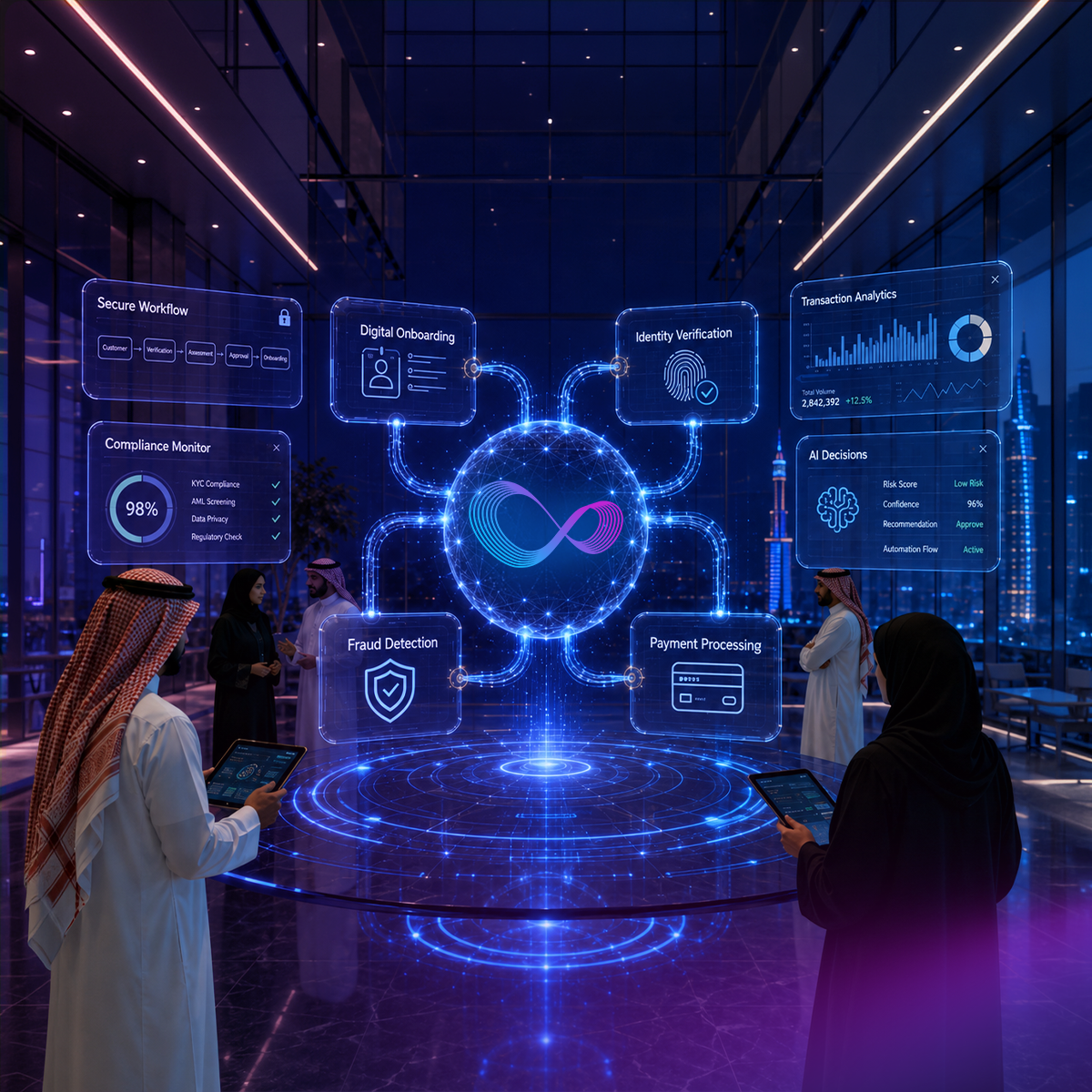
Discover how AI is transforming fintech customer experience in 2026 — from KYC and fraud alerts to Arabic-first support across MENA financial markets.
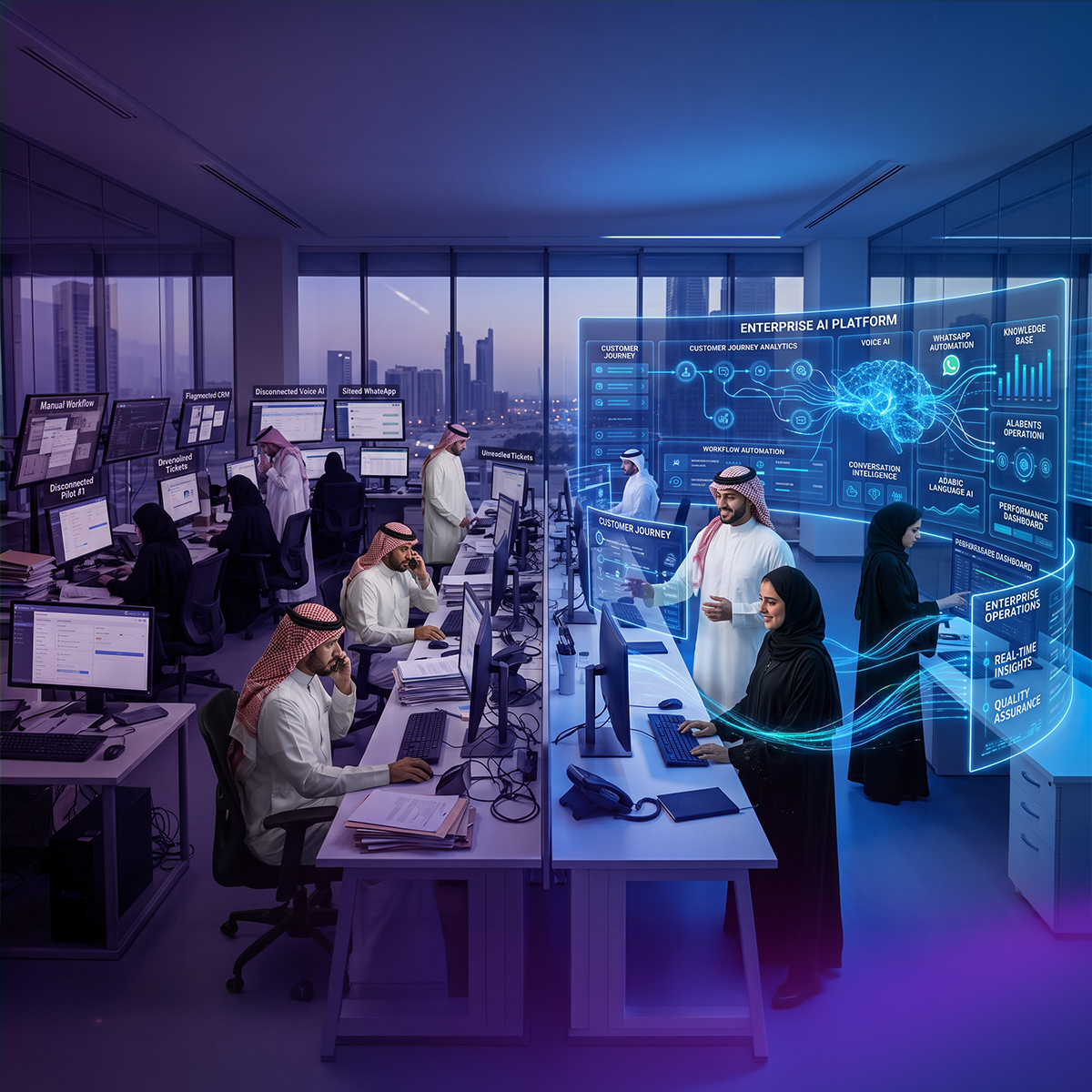
Most CX automation deployments stall before daily operational use. This guide covers 10 CX automation best practices, from escalation design to omnichannel continuity, with specific guidance for multilingual and Arabic-first contact centers.
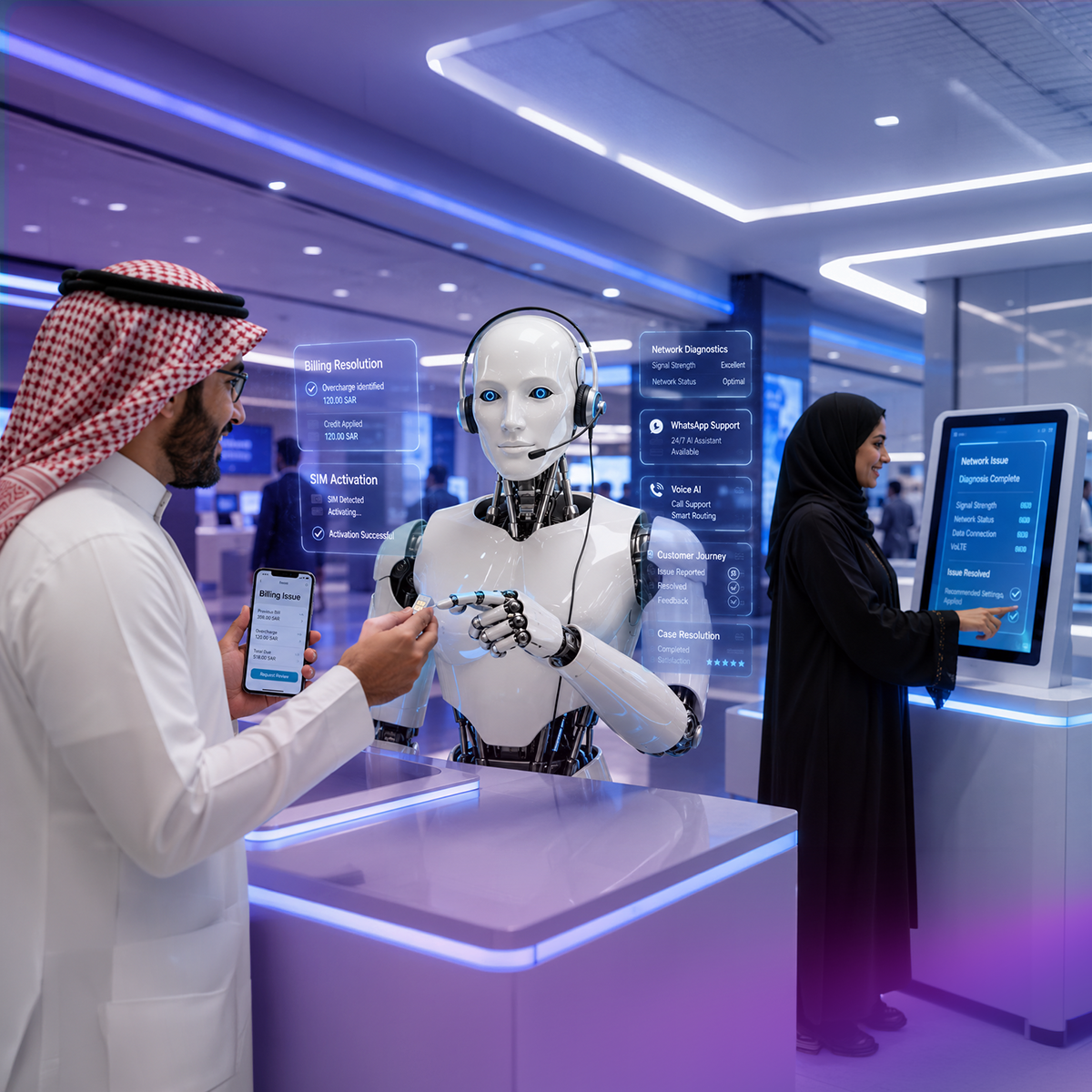
Explore how AI is transforming telecom customer experience. Compare top platforms including NICE CXone and Arabic-first alternatives built for MENA telecom operators.
Wittify.ai is a pioneering AI company specializing in the development of AI agents and applications aimed at automating and streamlining customer engagement activities and processes across various industries. Our mission is to empower businesses by enhancing their customer experience operational efficiency and enabling innovation through intelligent automation.

Information security management system
Business Continuity Management System
Quality Management System

Personal Data Protection Law Compliance
Personal Data Protection Law Compliance
General Data Protection Regulation Compliance


.png)


