



Ethical AI knows its limits. Discover why the "Human-in-the-Loop" strategy is the future of Responsible AI and how Wittify's Smart Escalation prevents customer frustration.
You are on a support chat. You have a complex, sensitive problem—perhaps a lost bank transfer or a cancelled flight for a family emergency. You explain your situation. The bot replies with a generic FAQ link. You type, "No, that’s not it." The bot apologizes and sends the same link again.
Your blood pressure rises. You type "HUMAN" in all caps. The bot replies:
"I didn't quite catch that."
This is the nightmare scenario of the last few years. It is the result of irresponsible automation—the mistaken belief that AI should handle 100% of customer interactions.
In 2026, the industry is waking up to a new reality. The goal of AI is not to replace humans entirely; it is to handle the routine so humans can handle the exceptional.
This is the 98% Rule. And to execute it, you need a strategy called "Human-in-the-Loop" (HITL).
In any given volume of customer support queries, roughly 98% are routine.
These are transactional. They require speed, not empathy. AI should handle these. In fact, customers prefer AI for these because it is faster than waiting on hold.
But the remaining 2% are critical.These are the edge cases. The emotional crises. The VIP clients threatening to churn. The complex technical bugs that aren't in the manual.
If you try to force AI to handle that final 2%, you will fail. You will erode trust, damage your brand, and frustrate your customers.Responsible AI is the discipline of automating the 98% perfectly, while instantly recognizing the 2% and handing it over to a human.
We often think of AI as the firewall protecting human agents from spam. But in a Responsible AI strategy, the roles are reversed.
The "Human Firewall" protects the customer from the limitations of the AI.
The mark of a sophisticated AI isn't that it answers everything. It's that it knows exactly when to shut up and pass the mic.
An ethical AI agent recognizes its own boundaries. It knows that when a customer uses sarcastic language, mentions legal action, or expresses deep frustration, it is time to step back. This humility is what separates a "Smart Agent" from a "Dumb Bot."
Without a Human-in-the-Loop strategy, you create what CX experts call the "Doom Loop."
This happens when a customer is trapped in a logic tree with no exit.
The cost of a Doom Loop is high. In 2026, customers are savvy. They know they are talking to a bot. They are willing to play along—but only if they know there is an "Eject Button" available if things go wrong.
Implementing a Human-in-the-Loop strategy requires technology that connects the bot and the human seamlessly. This is where Wittify excels.
Wittify is not designed to hide your support team; it is designed to empower them via Smart Escalation.
Wittify’s agents don’t just read keywords; they read vibe.The NLU (Natural Language Understanding) engine analyzes the sentiment of every message.
Wittify detects the spike in frustration and can automatically route the chat to a senior human agent before the customer even asks for one.
The most annoying part of reaching a human agent? "Please repeat your problem."With Wittify, the context travels with the ticket.When the AI hands over the "mic," the human agent sees the entire conversation history, the customer's intent, and the data the bot already collected (Order ID, Email, etc.).The human picks up the conversation mid-sentence, not from square one.
Sometimes, the best solution is a hybrid. Wittify allows for a mode where the AI drafts the responses, but a human approves them.This is perfect for training or for high-stakes situations. The AI does the typing (speed), but the human provides the judgment (responsibility).
You might be thinking: "But doesn't involving humans increase my costs?"
Paradoxically, no.A Human-in-the-Loop strategy is often cheaper than a 100% automation strategy in the long run.
Why? Because it protects Revenue Retention.If you automate 100% of interactions cheaply, but lose your high-value customers because a bot couldn't handle their complex issue, you are losing money.By using AI to filter the noise (the 98%), your expensive human talent is focused solely on the revenue-critical conversations (the 2%). This is the definition of operational efficiency.
In 2026, automation is a commodity. Everyone has a chatbot.Trust is the differentiator.
Trust is built when a customer feels heard. Sometimes, being heard means getting an instant answer from a bot. Other times, it means getting empathy from a person.
By adopting the 98% Rule and leveraging Wittify’s Smart Escalation, you aren't admitting defeat to automation. You are mastering it. You are building a system that is fast enough to be efficient, but human enough to be responsible.
Don't build a wall. Build a bridge.
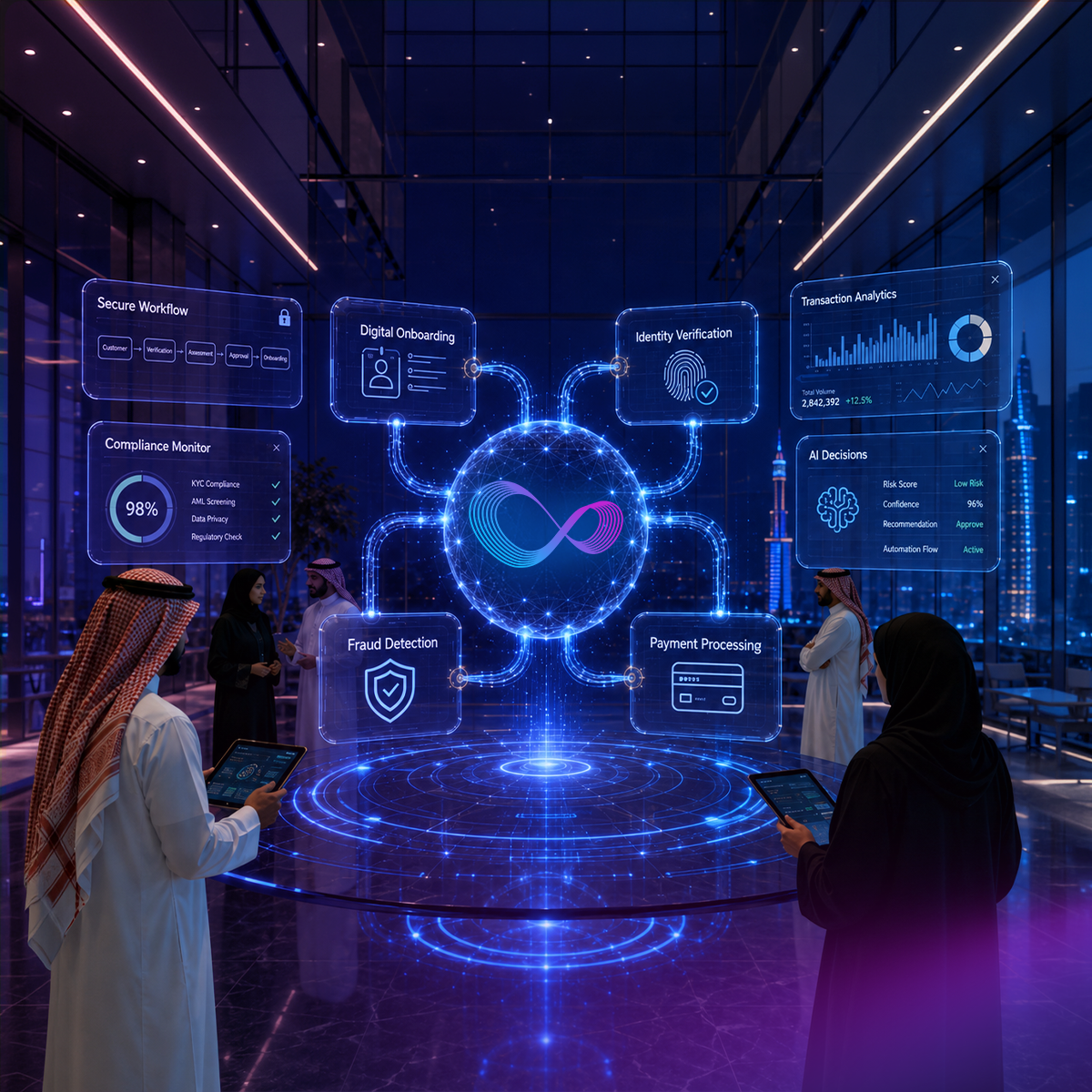
Discover how AI is transforming fintech customer experience in 2026 — from KYC and fraud alerts to Arabic-first support across MENA financial markets.

Most CX automation deployments stall before daily operational use. This guide covers 10 CX automation best practices, from escalation design to omnichannel continuity, with specific guidance for multilingual and Arabic-first contact centers.
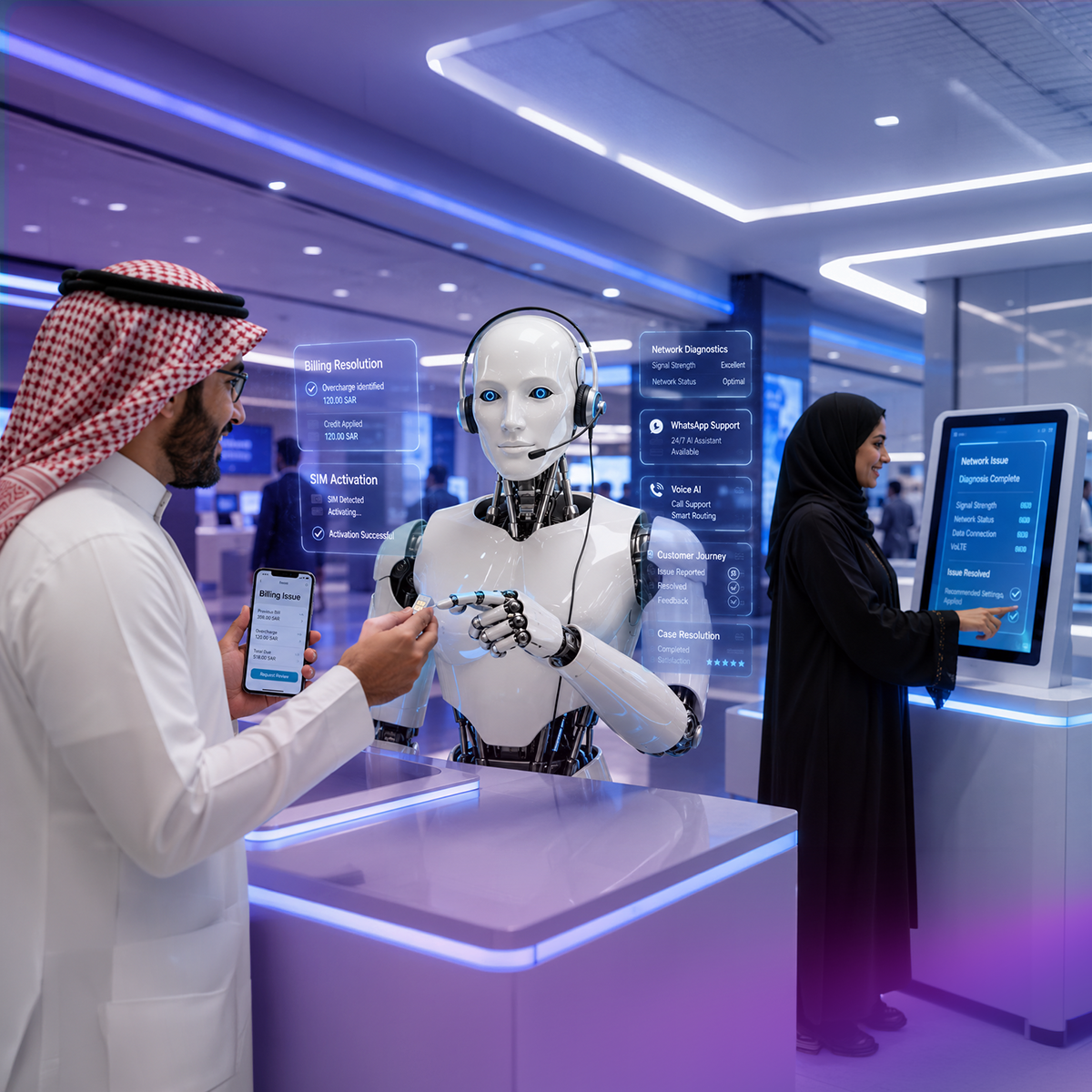
Explore how AI is transforming telecom customer experience. Compare top platforms including NICE CXone and Arabic-first alternatives built for MENA telecom operators.
Wittify.ai is a pioneering AI company specializing in the development of AI agents and applications aimed at automating and streamlining customer engagement activities and processes across various industries. Our mission is to empower businesses by enhancing their customer experience operational efficiency and enabling innovation through intelligent automation.

Information security management system
Business Continuity Management System
Quality Management System

Personal Data Protection Law Compliance
Personal Data Protection Law Compliance
General Data Protection Regulation Compliance


.png)


