


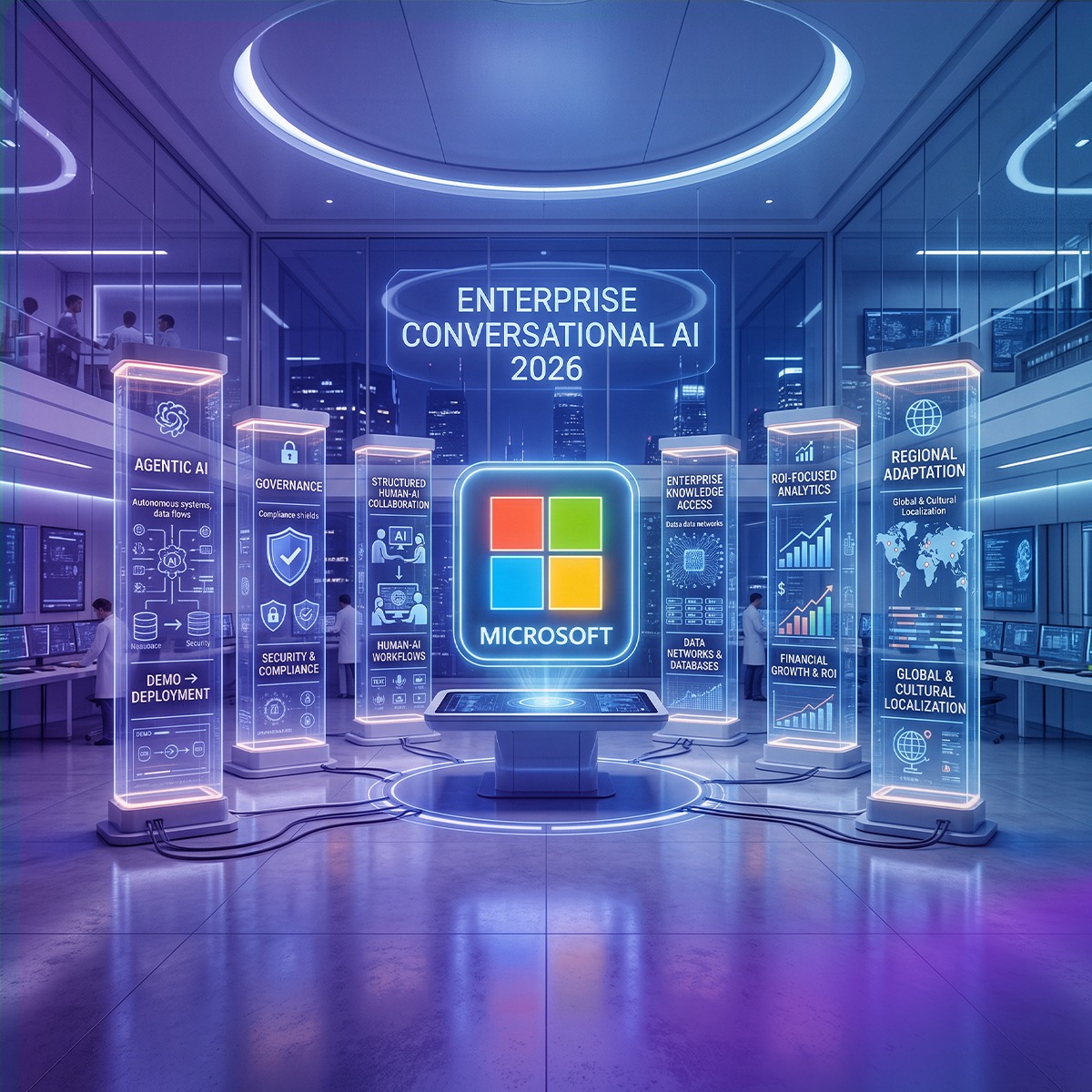
Microsoft’s 2026 AI trends show where enterprise adoption is heading next, from agentic workflows to governance pressure. Here is what the seven trends mean for conversational AI strategy and how Wittify can align its roadmap.
Microsoft’s latest outlook on AI trends for 2026 is not just another industry prediction list. It is a signal that enterprise AI is entering a more mature, more demanding phase. The conversation is shifting away from experimentation and toward operational scale, governance, and measurable business value.
For companies building conversational AI, this matters immediately. The next wave of adoption will not be defined by novelty. It will be defined by how well AI fits into enterprise workflows, integrates across channels, and supports both customers and employees with reliability.
As we explored in our blog on why enterprise AI needs more than a chatbot interface, the difference between a basic AI layer and a real enterprise platform is widening fast. Microsoft’s trends reinforce that reality.
Microsoft sits at a unique intersection of enterprise software, cloud infrastructure, productivity tooling, and AI distribution. When it publishes trend insights, it is not speaking only to researchers. It is speaking to CIOs, product teams, operations leaders, and digital transformation teams that are actively deciding where AI belongs inside the business.
The 2026 trends point to a simple conclusion: enterprises will need AI that is not only intelligent, but controllable, governable, and deeply embedded in work. That is especially relevant for customer experience, where conversational AI now touches revenue, service quality, compliance, and employee productivity at once.
Microsoft's Signal: AI agents handling end-to-end workflows, not just Q&A.
Enterprise Reality: Conversational AI must trigger CRM updates, process orders, escalate intelligently.
Microsoft's Signal: Policy controls, audit trails, risk classification as default requirements.
Enterprise Reality: Regulated sectors demand compliance-ready platforms from day one.
Microsoft's Signal: Clear escalation rules, collaborative workflows over replacement.
Enterprise Reality: AI assists agents, doesn't replace them. Context transfer is mandatory.
Microsoft's Signal: Text, voice, images, structured data in unified experiences.
Enterprise Reality: WhatsApp voice calls seamlessly continue as web chat journeys.
Microsoft's Signal: AI as internal knowledge layer for employee productivity.
Enterprise Reality: Knowledge bases power both customer self-service and agent assist.
Microsoft's Signal: Cost reduction, time savings, CSAT improvement as success criteria.
Enterprise Reality: 70% automation rates, 30% cost reduction, 25% CSAT gains.
Microsoft's Signal: Context-aware AI for global enterprise deployments.
Enterprise Reality: Arabic dialects, GCC compliance, local business logic.
Microsoft’s 2026 outlook is useful for one reason above all: it confirms that enterprise AI is moving toward platforms, not point solutions.
That is exactly where Wittify has a strategic advantage. Conversational AI in the enterprise is no longer about adding a chatbot to a website. It is about designing a layer that can interact across customer touchpoints, support multiple models, respect regional language needs, and adapt as governance expectations evolve.
As we discussed in our article on building AI in-house versus using a platform, the real question is not whether AI can be added. It is whether it can be operationalized at scale without creating technical debt.
Microsoft’s trends suggest a practical planning priority for Q2 and beyond:
For enterprise leaders, the key is to avoid building around yesterday’s idea of AI. The market is now moving toward systems that execute, coordinate, and govern work.
Explore how you can help your enterprise prepare for the next wave of AI change at wittify.ai
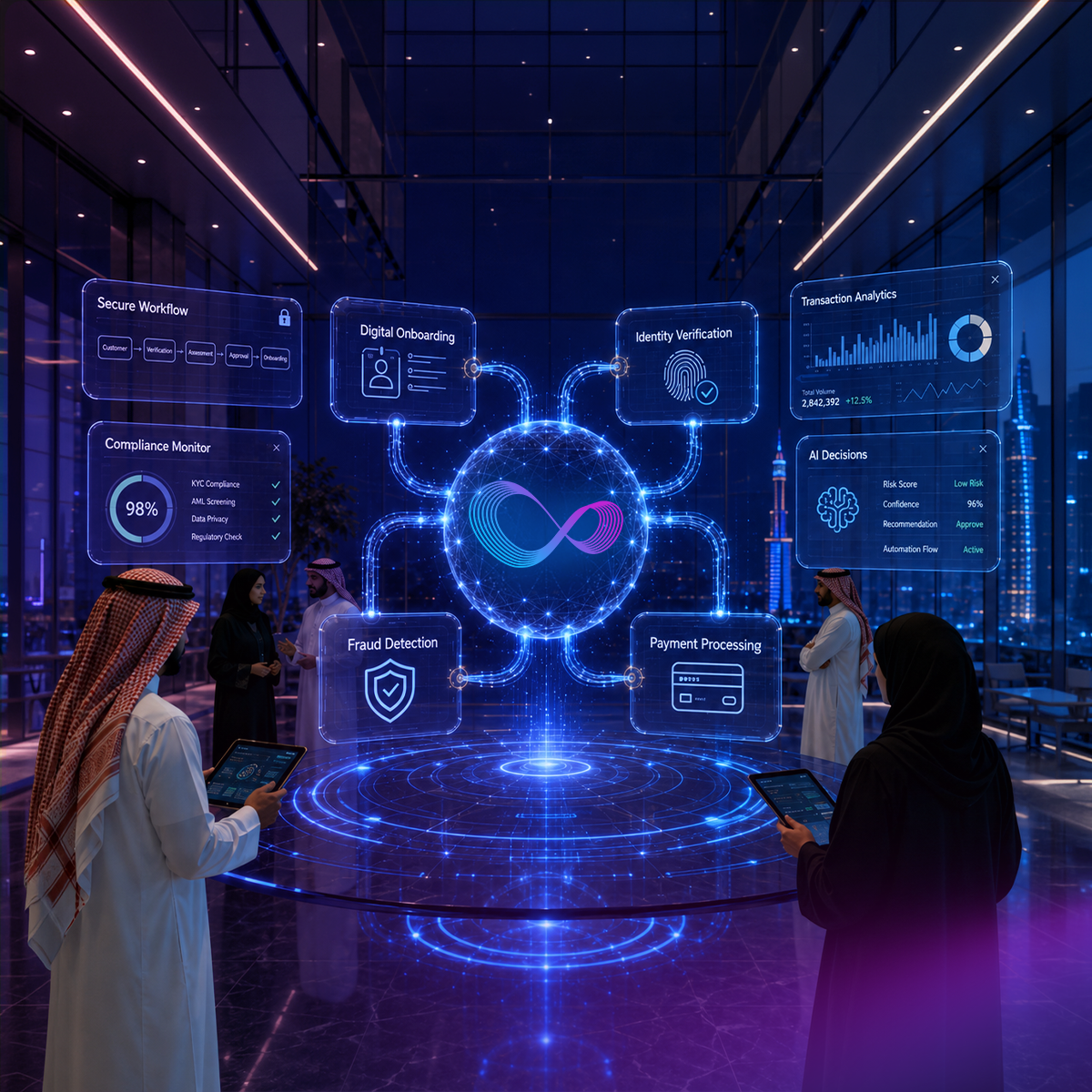
Discover how AI is transforming fintech customer experience in 2026 — from KYC and fraud alerts to Arabic-first support across MENA financial markets.

Most CX automation deployments stall before daily operational use. This guide covers 10 CX automation best practices, from escalation design to omnichannel continuity, with specific guidance for multilingual and Arabic-first contact centers.
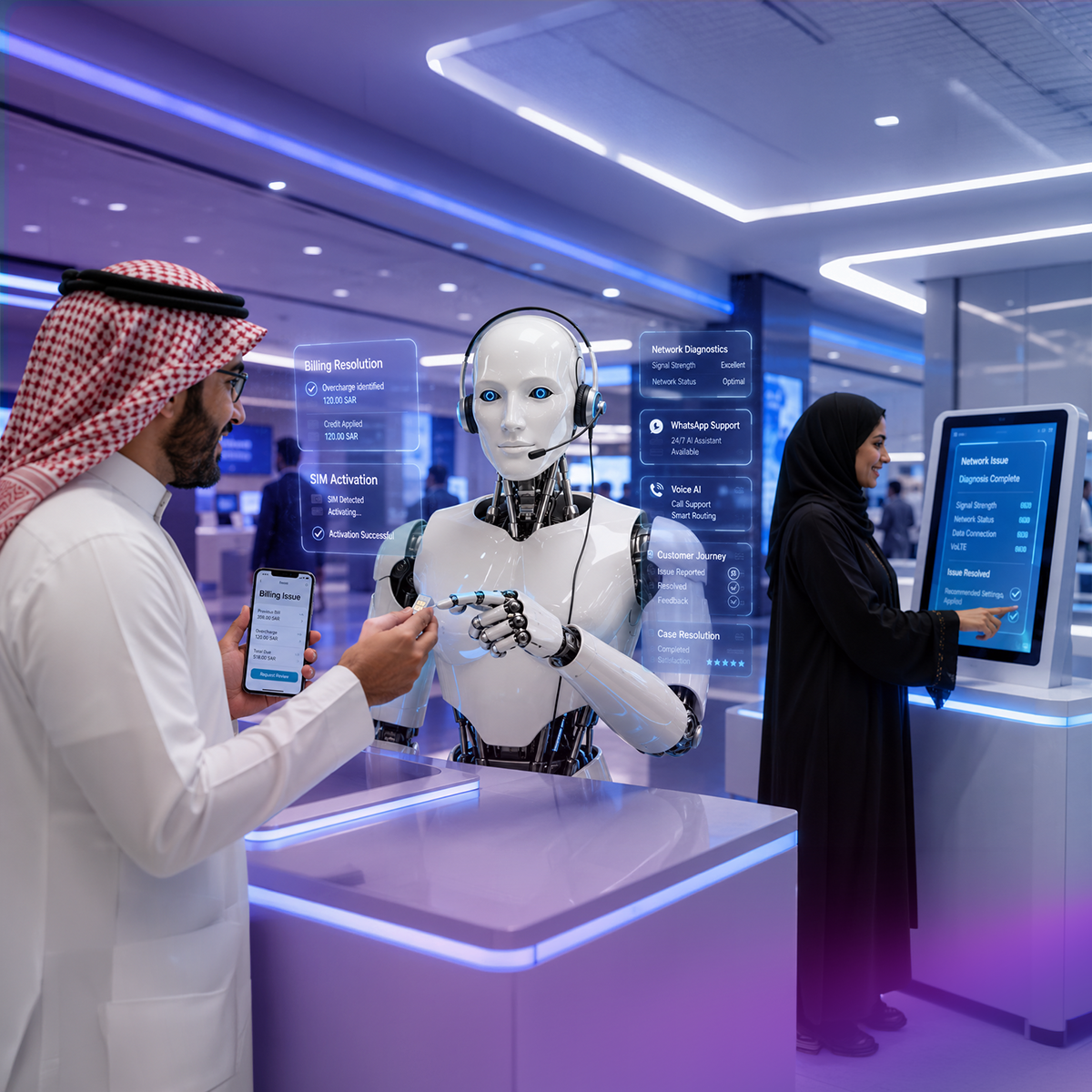
Explore how AI is transforming telecom customer experience. Compare top platforms including NICE CXone and Arabic-first alternatives built for MENA telecom operators.
Wittify.ai is a pioneering AI company specializing in the development of AI agents and applications aimed at automating and streamlining customer engagement activities and processes across various industries. Our mission is to empower businesses by enhancing their customer experience operational efficiency and enabling innovation through intelligent automation.

Information security management system
Business Continuity Management System
Quality Management System

Personal Data Protection Law Compliance
Personal Data Protection Law Compliance
General Data Protection Regulation Compliance


.png)


