


.png)
Learn how to scale an ai enterprise ai voice agent from pilot to global deployment. This guide explores managing 10,000+ concurrent calls, ensuring enterprise-grade data security, and maintaining sub-second latency to deliver stability and ROI for large-scale organizations.
For many organizations, the initial pilot of an AI voice agent is a triumph of innovation. However, the transition from a successful test of 50 calls to a global deployment handling 50,000 is where most digital transformation projects hit a wall. In the enterprise sector, scale isn't just about doing "more" of the same; it’s about maintaining sub-second latency, ironclad security, and unwavering reliability under extreme pressure.
When deploying an ai enterprise ai voice agent, the stakes are exponentially higher than in a startup environment. While a boutique firm might tolerate a minor glitch, for a global enterprise, a five-second delay in response time or a data breach isn't just a technical failure—it’s a brand crisis. Here is how leaders move from vision to volume.
The primary challenge of scaling is concurrency: the ability to handle thousands of unique, complex conversations at the exact same millisecond. Traditional legacy systems often "queue" callers when they hit capacity. An ai enterprise ai voice agent utilizes elastic cloud architecture to ensure that every single person receives an immediate, high-quality response. This high-speed orchestration builds upon the STT and LLM framework which we discussed in the blog: The Anatomy of an AI Voice Agent. By mastering this scale, CEOs can unlock the radical transformation detailed in The CEO’s Playbook: Why Enterprise Voice AI is the Key to Operational Efficiency.
To achieve this, enterprise-grade agents rely on:
At scale, an AI agent handles massive amounts of Personally Identifiable Information (PII). A true ai enterprise ai voice agent is built with "Security by Design." This is particularly critical for enterprises operating in the UAE and Saudi Arabia, where data residency laws (like the NDMO and SAMA regulations) are stringent.
When an agent handles 10,000 calls, it is inevitable that sensitive data—credit card numbers, health records, or national ID numbers—will be spoken. Enterprise scaling requires automated PII Redaction. This means the AI "scrubs" sensitive data from transcripts in real-time, ensuring that while the AI "understands" the number to process a payment, that number is never stored in plain text in your database.
While startups usually rely on public clouds (like OpenAI or basic AWS instances), enterprises often require Private Cloud or Hybrid Cloud deployments. This allows the organization to keep the "Brain" of the AI within their own firewalls, ensuring that customer data never leaves the national borders, fulfilling local data sovereignty requirements.
Many executives fall into the "Pilot Trap"—thinking that the cost of a pilot can simply be multiplied by the number of users to find the enterprise cost. This is a mistake. Scaling an ai enterprise ai voice agent introduces new variables:
Use the following table to visualize why enterprise-grade tools are necessary for large-scale operations:
Moving from vision to volume requires a partner that understands the nuances of enterprise-grade infrastructure. Whether it's managing thousands of calls during a crisis or ensuring your data stays within the Middle East, a dedicated ai enterprise ai voice agent is the difference between an innovative experiment and a core business asset.
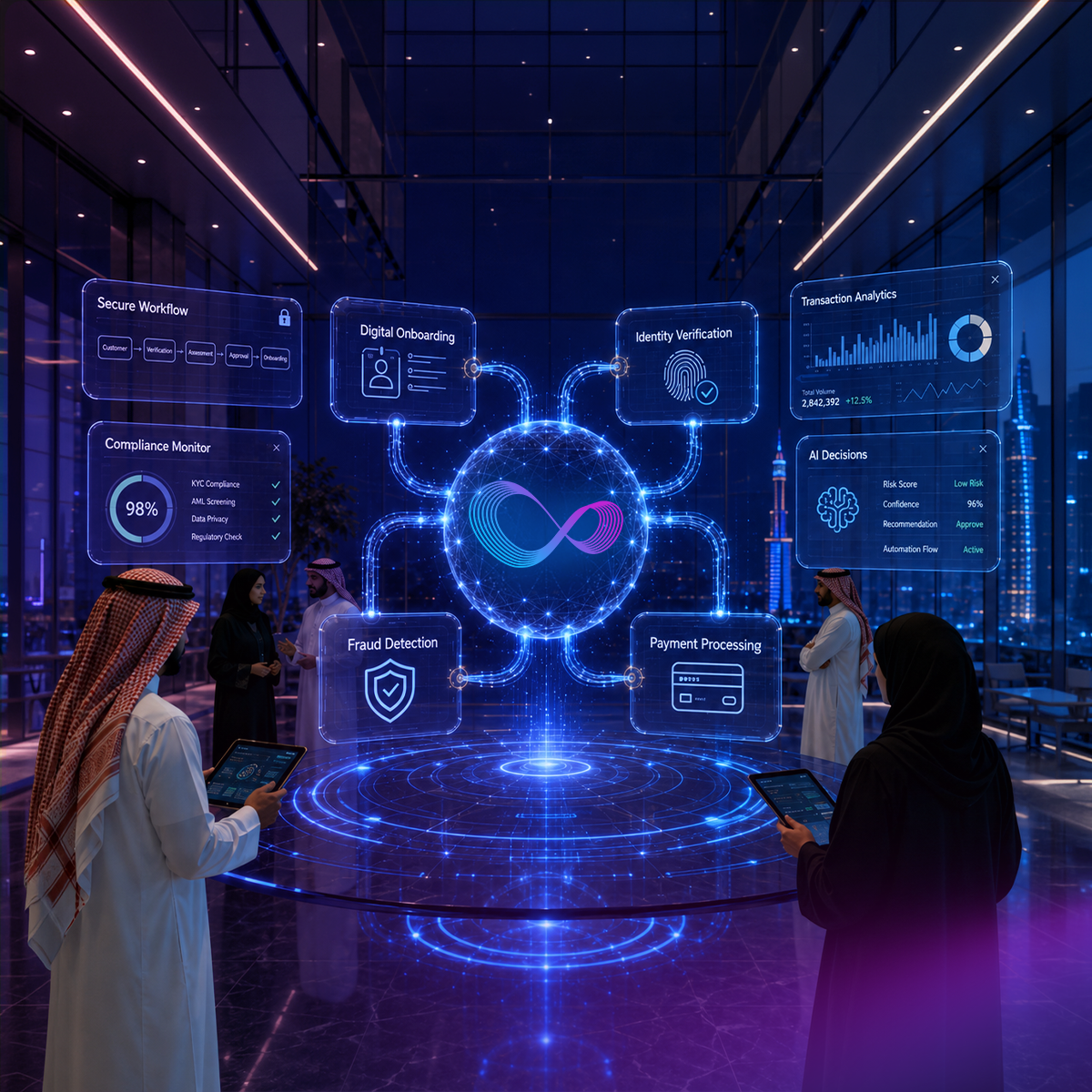
Discover how AI is transforming fintech customer experience in 2026 — from KYC and fraud alerts to Arabic-first support across MENA financial markets.

Most CX automation deployments stall before daily operational use. This guide covers 10 CX automation best practices, from escalation design to omnichannel continuity, with specific guidance for multilingual and Arabic-first contact centers.

Explore how AI is transforming telecom customer experience. Compare top platforms including NICE CXone and Arabic-first alternatives built for MENA telecom operators.
Wittify.ai is a pioneering AI company specializing in the development of AI agents and applications aimed at automating and streamlining customer engagement activities and processes across various industries. Our mission is to empower businesses by enhancing their customer experience operational efficiency and enabling innovation through intelligent automation.

Information security management system
Business Continuity Management System
Quality Management System

Personal Data Protection Law Compliance
Personal Data Protection Law Compliance
General Data Protection Regulation Compliance


.png)


