



Is 2026 the year you build your own AI stack? We analyze the operational debt of building AI and why enterprises are shifting to Agentic OS platforms like Wittify.
The Build vs. Buy AI Agents debate has officially entered its most expensive phase. In 2024 and 2025, the enterprise question was simple: “Can we prototype an AI agent?”. In 2026, the question has shifted aggressively to: “Can this agent survive the last mile of production?”.
2026 is the year of Agentic AI Orchestration. If your AI cannot execute end-to-end workflows, handle multimodal interactions (voice + text + data), and respond with sub-second latency, it is not an AI agent—it is a legacy chatbot.
Enterprises are rapidly shifting from instruction-based systems to intent-based execution. Modern AI agents are now expected to:
Most engineering teams can build a prototype in a weekend, but the real cost of building proprietary infrastructure is the "plumbing". Internal teams often inherit responsibilities that distract from core business differentiation:
While these technical hurdles often trap companies in a cycle of maintenance, agile organizations are finding ways to skip the queue entirely. For a practical look at moving faster, see our guide on how to Bypass IT and deploy your first AI lead-gen agent in just 60 minutes.
The Failure Pattern: Enterprises often complete 20% of what they need, then spend 80% of their budget maintaining infrastructure.
In 2026, “Buy” means purchasing a Managed AI Execution Layer. Platforms like Wittify.ai serve as an Agentic AI Operating System, purpose-built for the GCC and global markets.
In the competitive landscape of 2026, the market rewards the company with the highest execution velocity, not the most custom code. If your competitive advantage is customer experience or operational efficiency, do not rebuild existing infrastructure.
Ready to define your 2026 AI strategy? Let Wittify serve as the execution engine behind your enterprise AI roadmap.
What is the difference between building AI agents vs buying a platform?
Building requires owning the full production stack, including orchestration and security. Buying a platform like Wittify provides a managed execution layer so teams can focus on business logic.
How does Wittify handle Arabic dialects?
Wittify supports more than 25 Arabic dialects, including Khaleeji, Najdi, Egyptian, and Levantine, with seamless Arabic-English code-switching.
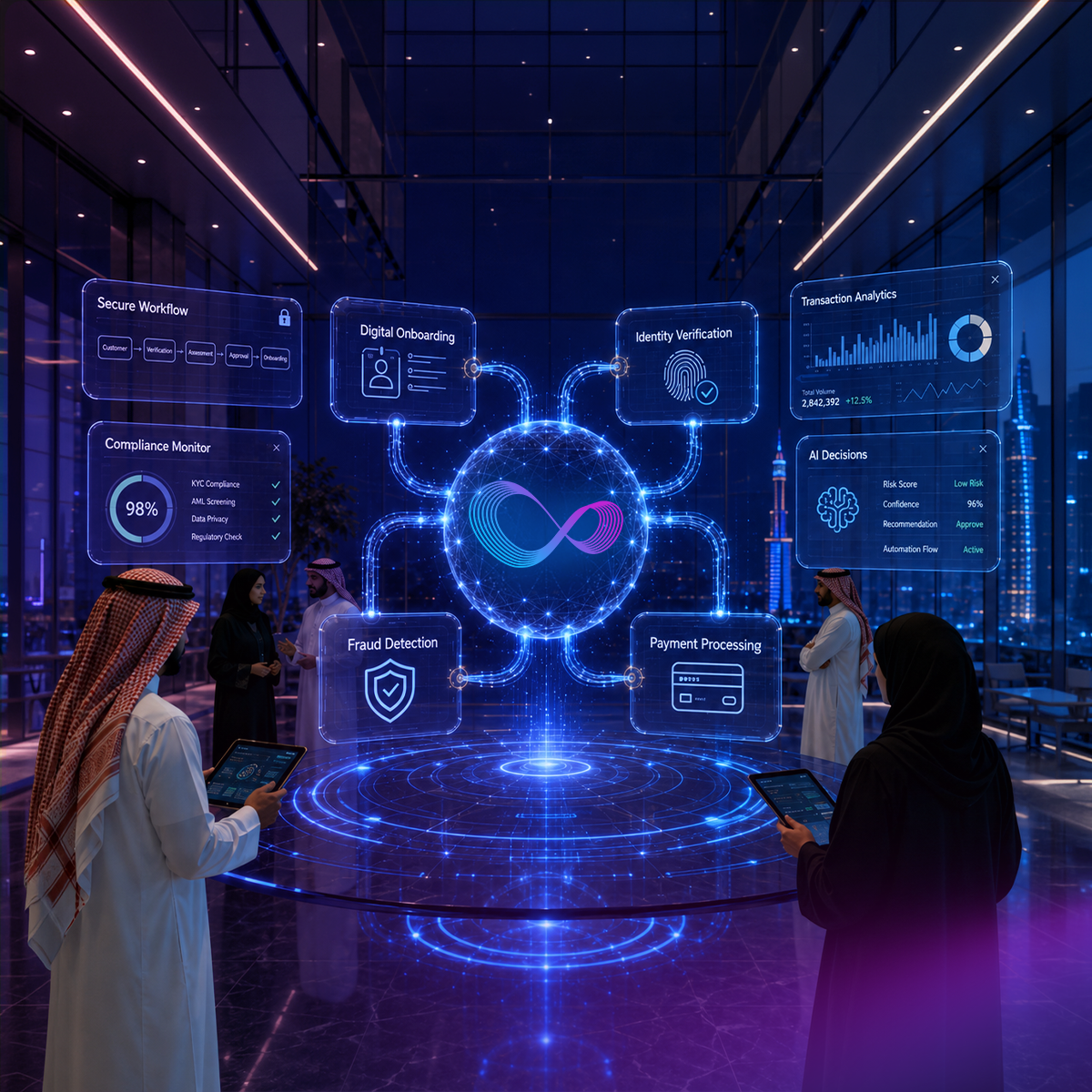
Discover how AI is transforming fintech customer experience in 2026 — from KYC and fraud alerts to Arabic-first support across MENA financial markets.

Most CX automation deployments stall before daily operational use. This guide covers 10 CX automation best practices, from escalation design to omnichannel continuity, with specific guidance for multilingual and Arabic-first contact centers.

Explore how AI is transforming telecom customer experience. Compare top platforms including NICE CXone and Arabic-first alternatives built for MENA telecom operators.
Wittify.ai is a pioneering AI company specializing in the development of AI agents and applications aimed at automating and streamlining customer engagement activities and processes across various industries. Our mission is to empower businesses by enhancing their customer experience operational efficiency and enabling innovation through intelligent automation.

Information security management system
Business Continuity Management System
Quality Management System

Personal Data Protection Law Compliance
Personal Data Protection Law Compliance
General Data Protection Regulation Compliance


.png)


