



Discover why enterprise AI in 2026 demands agentic AI, not chatbots. A deep comparison of Wittify vs Chatbase across voice, omnichannel, memory, and execution.
In early 2023s, the mission was clear: get an AI to answer questions from documents. Tools like Chatbase led the “Chat with Your Data” movement, making it easy for teams to spin up helpful, no-code chatbots trained on PDFs, websites, and knowledge bases.
Fast-forward to 2026, and the bar has moved.
Modern organizations don’t want bots that merely talk. They need AI Operators, systems that act, remember, speak naturally, and work everywhere customers are. That’s why Wittify has emerged not as a chatbot tool, but as AI infrastructure for serious enterprises.
Chatbase excels as a web-first experience with APIs and integrations. Wittify is channel-agnostic by design, built for a world where customers move fluidly between devices and contexts.
With Wittify, a single agent operates across:
Why it converts:
A customer can start on WhatsApp, continue via a phone call, and finish in a mobile app, with full conversational continuity. No resets. No re-explaining.
Many “voice bots” are just text bots with TTS bolted on, causing lag, interruptions, and poor turn-taking.
Wittify is voice-native:
Chatbase remains excellent for text. But for call centers, healthcare, hospitality, travel, and government, native telephony is essential to replace IVR, not just decorate it.
Global business runs on nuance, not just vocabulary.
Why it matters:
In 2026, customers can tell when a system is translated versus local. Wittify preserves intent, tone, and brand voice, at scale.
This is the defining shift of the decade.
Through agentic workflows and secure integrations, Wittify can:
Result: AI becomes a digital operator, not a help article.
Session-based chat resets cost time and trust.
That’s how AI improves with every interaction.
In 2026, “cloud-only” isn’t enough—where data lives and how it’s governed matters.
Choose Chatbase if you:
Chatbase helps businesses start conversations.
Wittify helps businesses run operations.
As AI becomes the primary interface for global commerce, the winners won’t be those who chat the best—but those who act across every channel with intelligence, memory, and trust.
Explore the Wittify platform →

Comparing contact center quality assurance platforms in 2026? This guide explains how AI-powered QA works, what global tools do well, and what English-first platforms often miss in Arabic and MENA environments.
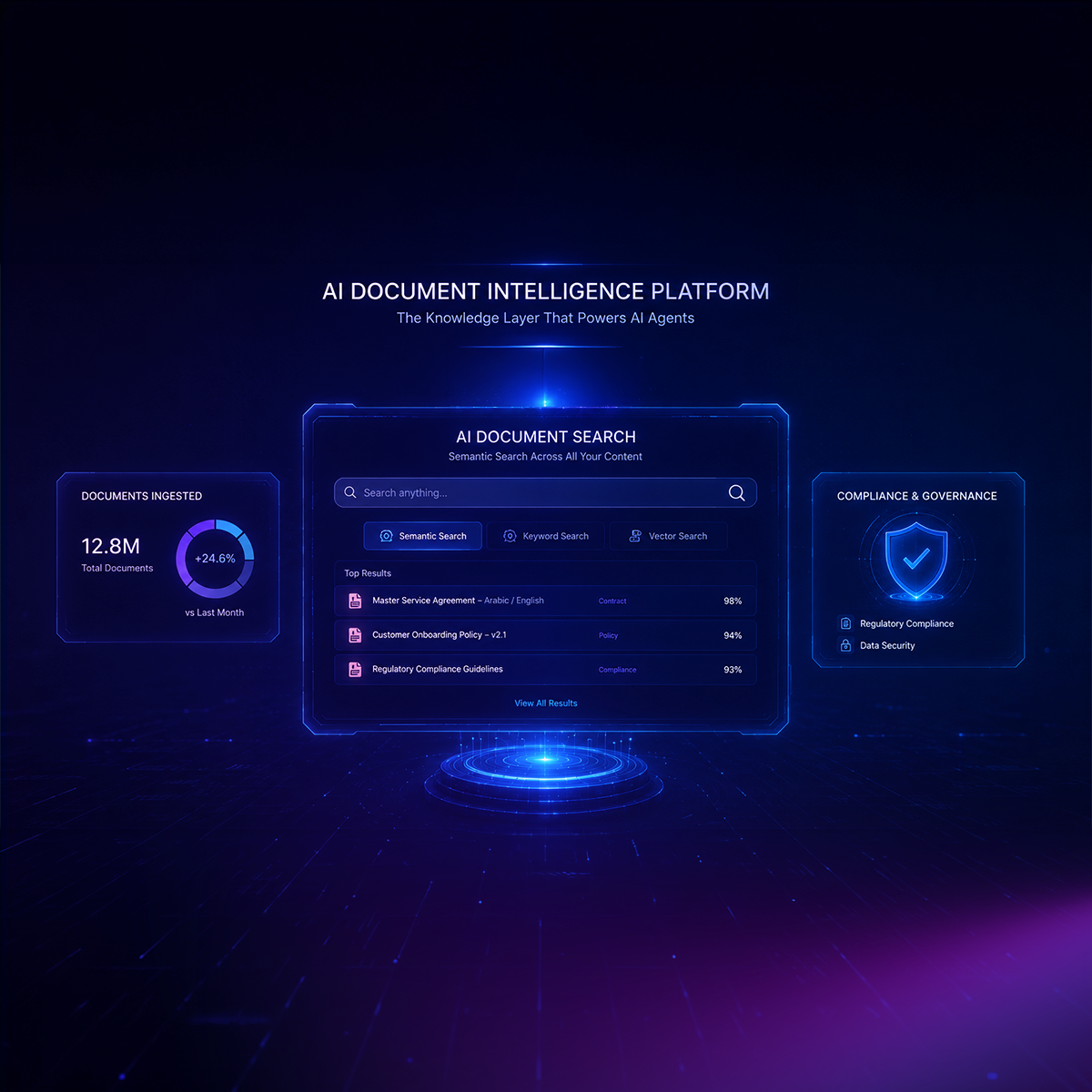
Compare the best AI document search tools for enterprise document AI, RAG-powered knowledge search, Arabic document intelligence, and CX automation. Learn how Wittify AI helps MENA enterprises search documents, extract insights, and automate workflows securely.
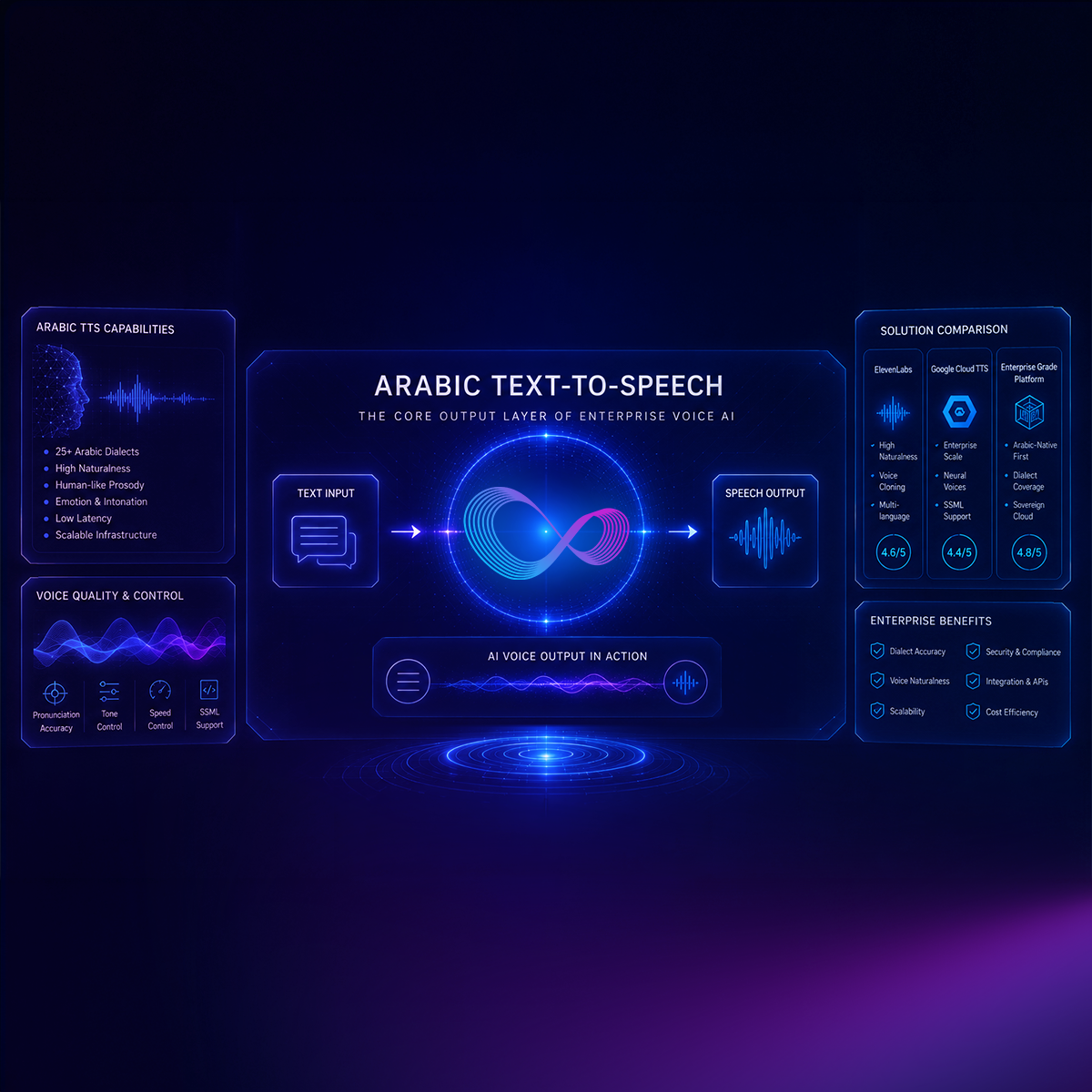
Examine the architectural role of Arabic TTS within enterprise voice AI systems. Compare CX automation vendors and voice infrastructure systems for the MENA region.
Wittify.ai is a pioneering AI company specializing in the development of AI agents and applications aimed at automating and streamlining customer engagement activities and processes across various industries. Our mission is to empower businesses by enhancing their customer experience operational efficiency and enabling innovation through intelligent automation.

Information security management system
Business Continuity Management System
Quality Management System

Personal Data Protection Law Compliance
Personal Data Protection Law Compliance
General Data Protection Regulation Compliance


.png)


