



Most enterprise AI projects don’t fail publicly—they stall quietly. Learn the real reasons AI initiatives break at scale and what successful companies do differently.
Enterprise AI adoption is accelerating fast.
New models launch every few months.
Budgets are approved.
Pilots are announced.
Internal demos look impressive.
Yet behind the scenes, something else is happening.
Most enterprise AI projects don’t scale.
They don’t crash publicly.
They don’t get labeled as failures.
They simply stall, get deprioritized, or fade out quietly.
This article explains why enterprise AI initiatives fail in practice, what patterns repeat across industries, and what successful organizations do differently.
Most AI projects start strong.
Stakeholders see quick wins and assume momentum will continue.
But pilots are not production systems.
What works in a controlled environment often breaks when exposed to:
Early success hides deeper structural problems that surface only at scale.
One of the most common mistakes enterprises make is treating AI as a single tool rather than a connected system.
Teams deploy:
Each component works in isolation.
The result is fragmented intelligence:
When AI lacks a central “brain,” it cannot operate reliably across the organization.
Many AI initiatives are designed to automate tasks, not decisions.
Automation works well for:
Enterprise environments are the opposite:
AI that automates without understanding when to stop, escalate, or defer creates more problems than it solves.
True intelligence is not speed.
It is judgment.
Most failed AI projects share a critical flaw:
human takeover is treated as an exception, not a core design principle.
In real enterprise environments:
Without clearly defined takeover rules:
Successful systems don’t ask if humans should be involved.
They design how and when humans step in.
Voice exposes AI weaknesses faster than any other channel.
In chat, mistakes can be overlooked.
In voice, they are immediate and unforgiving.
Voice interactions introduce:
Many AI projects that appear successful in chat collapse when extended to call centers.
This is why enterprises moving into Voice AI often discover that their architecture simply isn’t ready.
When AI projects fail quietly, responsibility is often unclear.
Is it:
Without clear ownership:
Successful enterprises assign accountability at the system level—not the model level.
Someone must own:
Across industries, failed AI initiatives share the same pattern:
The model was rarely the problem.
The system was.
Organizations that scale AI successfully take a different approach.
They focus on:
Instead of asking:
“Which AI model should we use?”
They ask:
“How does intelligence operate safely across our organization?”
This shift changes everything.
Wittify was built around this reality.
Rather than positioning AI as a standalone chatbot or model wrapper, Wittify enables enterprise-grade AI agents that:
The focus is not on replacing teams, but on coordinating intelligence at scale.
Most enterprise AI projects don’t fail loudly.
They fail quietly through hesitation, loss of trust, and operational friction.
The organizations that succeed are not the ones chasing the latest model.
They are the ones designing systems that can survive real-world complexity.
In enterprise AI, failure is rarely about technology.
It’s about strategy.
Try Wittify now for free!
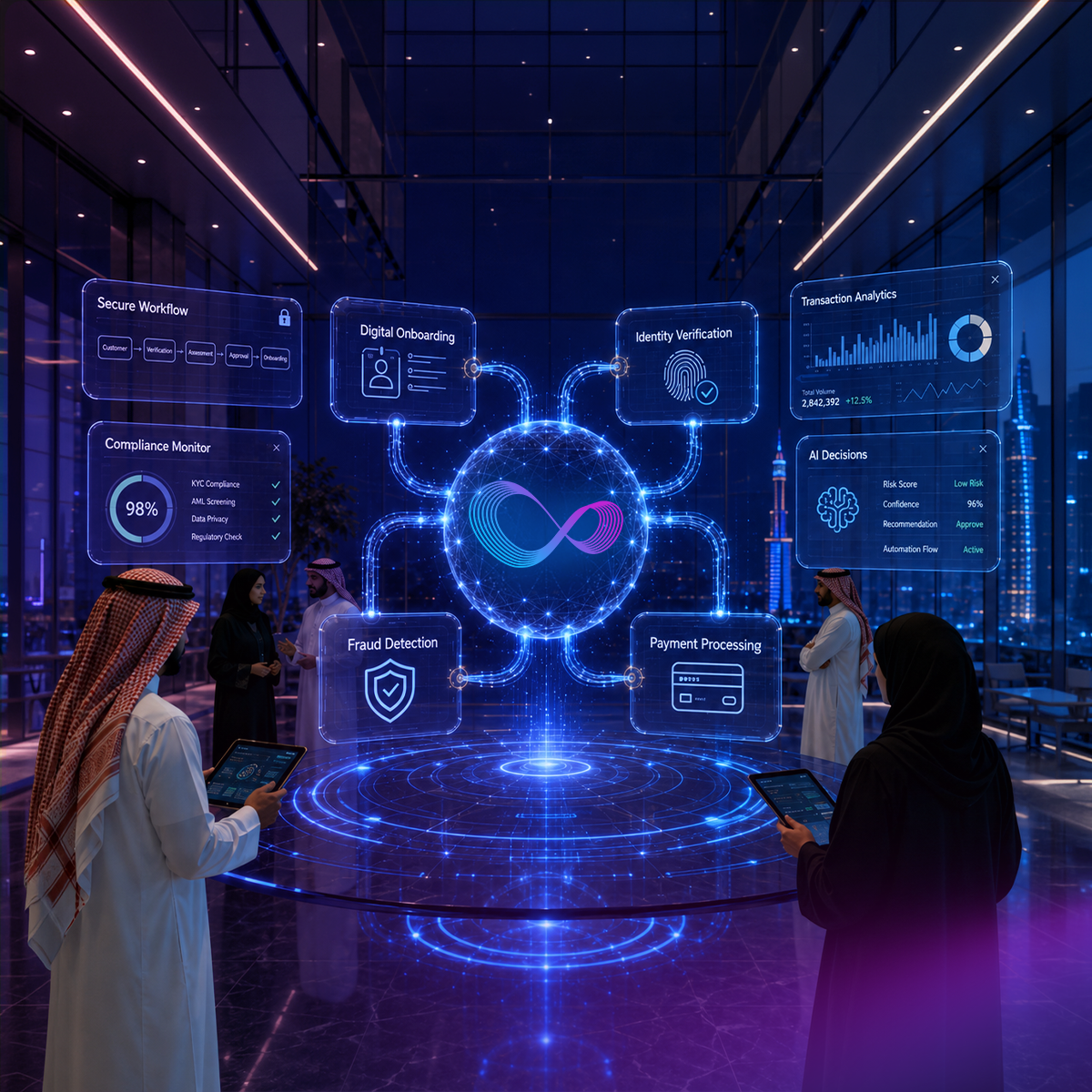
Discover how AI is transforming fintech customer experience in 2026 — from KYC and fraud alerts to Arabic-first support across MENA financial markets.

Most CX automation deployments stall before daily operational use. This guide covers 10 CX automation best practices, from escalation design to omnichannel continuity, with specific guidance for multilingual and Arabic-first contact centers.

Explore how AI is transforming telecom customer experience. Compare top platforms including NICE CXone and Arabic-first alternatives built for MENA telecom operators.
Wittify.ai is a pioneering AI company specializing in the development of AI agents and applications aimed at automating and streamlining customer engagement activities and processes across various industries. Our mission is to empower businesses by enhancing their customer experience operational efficiency and enabling innovation through intelligent automation.

Information security management system
Business Continuity Management System
Quality Management System

Personal Data Protection Law Compliance
Personal Data Protection Law Compliance
General Data Protection Regulation Compliance


.png)


