


A no-code tool for product finder quizzes has become highly sought after across social media and the internet. In today’s digital age, customers no longer look only for a service or product—they seek a personalized, seamless experience that helps them make decisions quickly and easily. From this perspective, product finder quizzes have emerged as an interactive tool that blends practical utility with entertainment. These quizzes allow users to answer questions that identify the right product or service for their needs. This approach is no longer just a way to capture attention; it has become a complete marketing strategy.
In today’s digital age, customers no longer look only for a service or product—they seek a personalized, seamless experience that helps them make decisions quickly and easily. Product finder quizzes have emerged as an interactive tool that blends practical utility with entertainment.
These quizzes allow users to answer questions that identify the right product for their needs, transforming a simple interaction into a complete marketing strategy. They bring significant benefits to brands by collecting customer data, enabling personalization, and boosting conversion rates.
A no-code product finder quiz is an interactive digital tool that provides a short, survey-like experience. Customers answer questions about their needs, and the system generates smart recommendations.
No-code tools allow companies to create quizzes in days rather than weeks, enabling them to capitalize on seasonal trends like New Year or Ramadan.
Marketing teams can create quizzes through drag-and-drop interfaces, removing the need for expensive specialized programming teams.
These tools allow for real-time modifications to questions or results, ensuring the quiz evolves alongside changing shopping trends.
Feature Traditional Ads (Banners/Video)Product Finder QuizzesCommunicationOne-way messagingTwo-way dialogueExperiencePassive awarenessActive engagementPersonalizationLow (Generic)High (Tailored)ConversionModerateVery High
Clarify if the objective is to increase sales, collect data, or simply improve the user experience.
Keep questions short. Use visual cues—for example, show images of different skin textures rather than just using text.
Ensure fonts, colors, and animations align perfectly with your brand identity to build trust.
Include direct purchase links and marketing text like: “This product is the best fit for you because...”
Customer responses reveal accurate insights that help companies build detailed profiles.
By 2027, it is predicted that over 70% of global e-commerce brands will integrate interactive quizzes. The shift is driven by three core pillars:
Product finder quizzes are a bridge between the customer and the brand. They deliver a personalized experience, provide valuable data, and lead to stronger loyalty and higher sales.
Would you like me to help you draft a specific question-and-answer flow for a particular industry (e.g., real estate or cosmetics)?
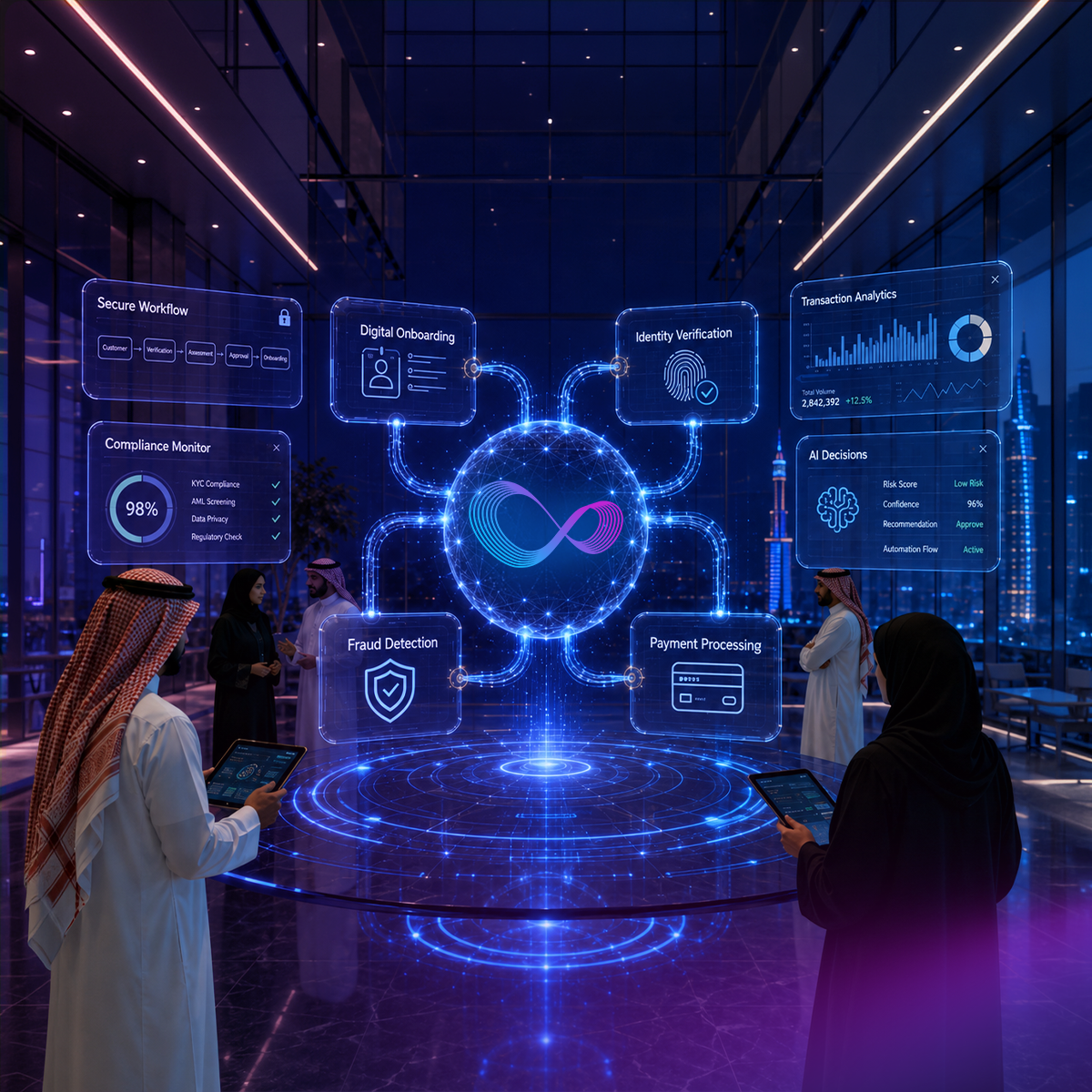
Discover how AI is transforming fintech customer experience in 2026 — from KYC and fraud alerts to Arabic-first support across MENA financial markets.

Most CX automation deployments stall before daily operational use. This guide covers 10 CX automation best practices, from escalation design to omnichannel continuity, with specific guidance for multilingual and Arabic-first contact centers.
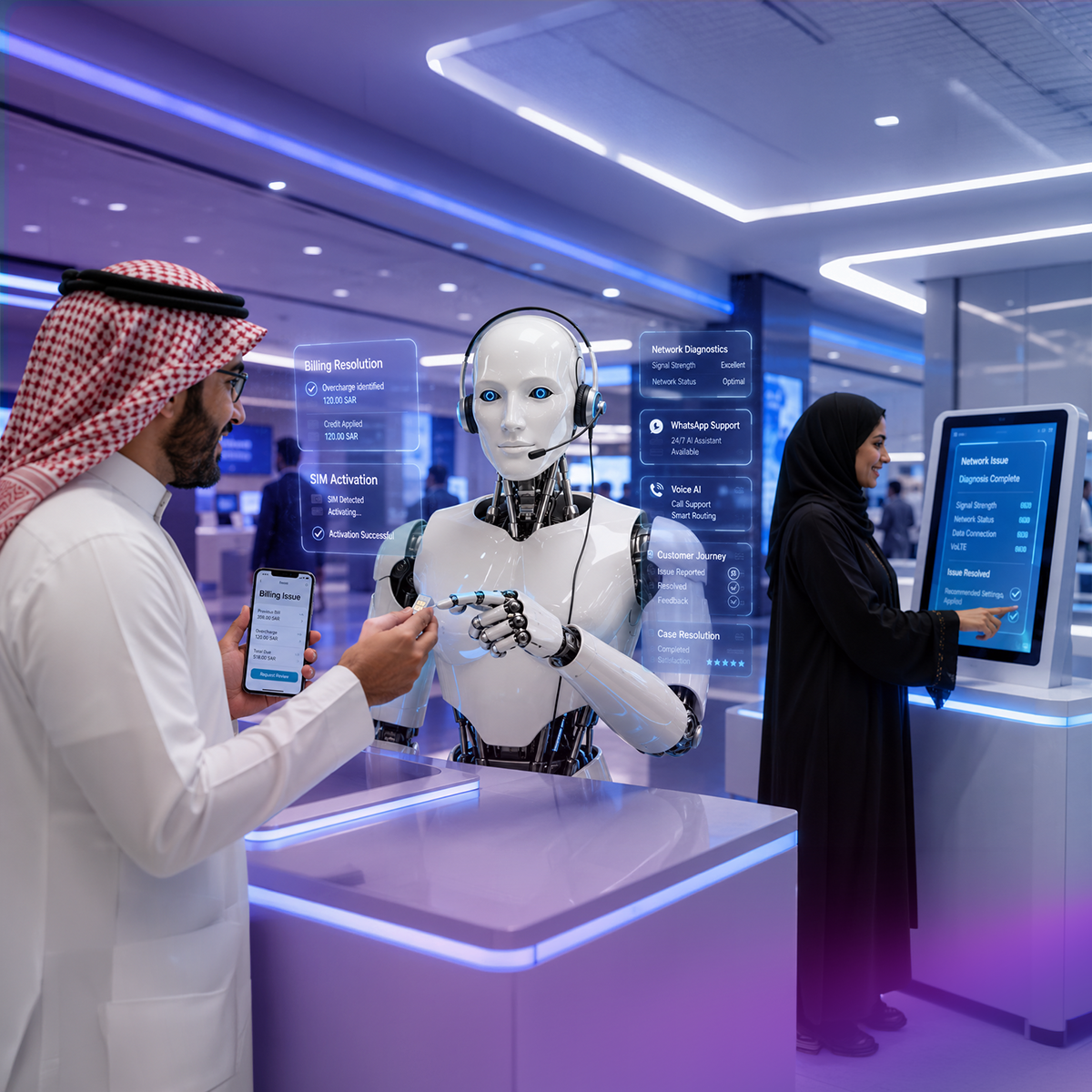
Explore how AI is transforming telecom customer experience. Compare top platforms including NICE CXone and Arabic-first alternatives built for MENA telecom operators.
Wittify.ai is a pioneering AI company specializing in the development of AI agents and applications aimed at automating and streamlining customer engagement activities and processes across various industries. Our mission is to empower businesses by enhancing their customer experience operational efficiency and enabling innovation through intelligent automation.

Information security management system
Business Continuity Management System
Quality Management System

Personal Data Protection Law Compliance
Personal Data Protection Law Compliance
General Data Protection Regulation Compliance


.png)


