



Deploying Conversational AI in the GCC? Translation isn't enough. Discover why Cultural Intelligence (CQ), dialects, and nuances like "Abshir" are key to success.
Building conversational AI in global markets is primarily a technical challenge. Building conversational AI in the GCC is something else entirely: It is a cultural intelligence challenge.
At Wittify.ai, we’ve learned that the most effective AI in this region is not the one with the highest IQ or the largest model. It’s the one with the highest CQ (Cultural Intelligence). Arabic AI cannot be treated as “just another supported language.”
Arabic is fundamentally different from the Western languages most AI models are trained on. Supporting it at an enterprise level requires intentional design rather than generic configuration.
The way information is conveyed in the GCC often follows a different logic than Western "Direct" models. Understanding this is the difference between a successful automation and a failed customer experience.
Building a bot for the GCC isn't a translation problem; it's a reasoning problem.
In Arabic interactions, familiarity communicates trust. An AI that understands what to say but not how to say it will always feel artificial. Expressions that signal closeness transform a transactional exchange into a human one.
GCC customers respond better to language that signals personal ownership.
In the GCC, technical failures often go public very quickly via social media. A hallucinating or culturally insensitive AI is not just a bug—it is a reputational risk.
For an enterprise to succeed here, the AI must be:
Many enterprises discover limitations when relying solely on global platforms for Arabic automation. They realize too late that culture shapes Meaning, Intent, Timing, and Trust.
Successful Arabic AI requires:
Arabic AI is not about “language support.” It is about cultural depth and voice realism. Global platforms may include Arabic.
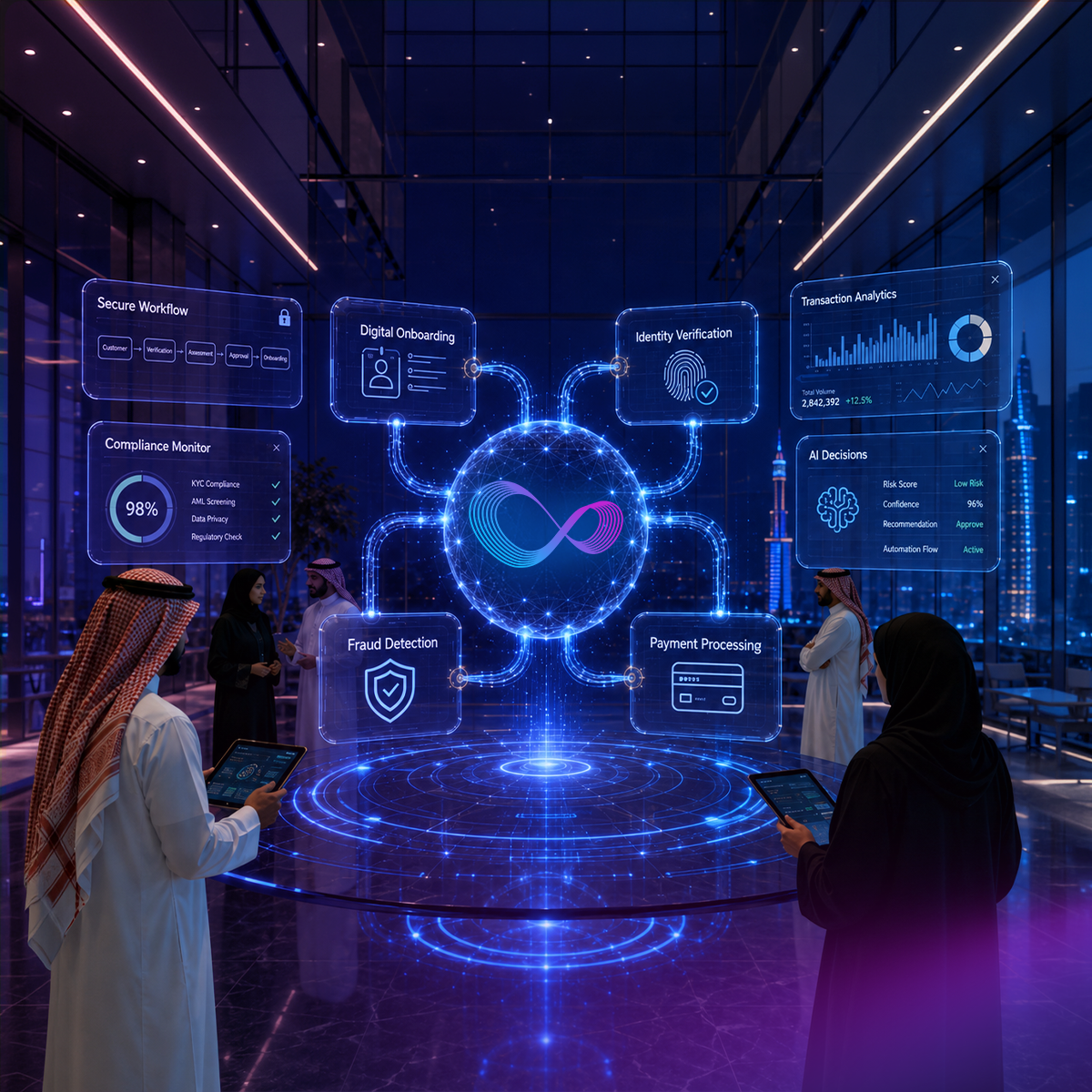
Discover how AI is transforming fintech customer experience in 2026 — from KYC and fraud alerts to Arabic-first support across MENA financial markets.

Most CX automation deployments stall before daily operational use. This guide covers 10 CX automation best practices, from escalation design to omnichannel continuity, with specific guidance for multilingual and Arabic-first contact centers.
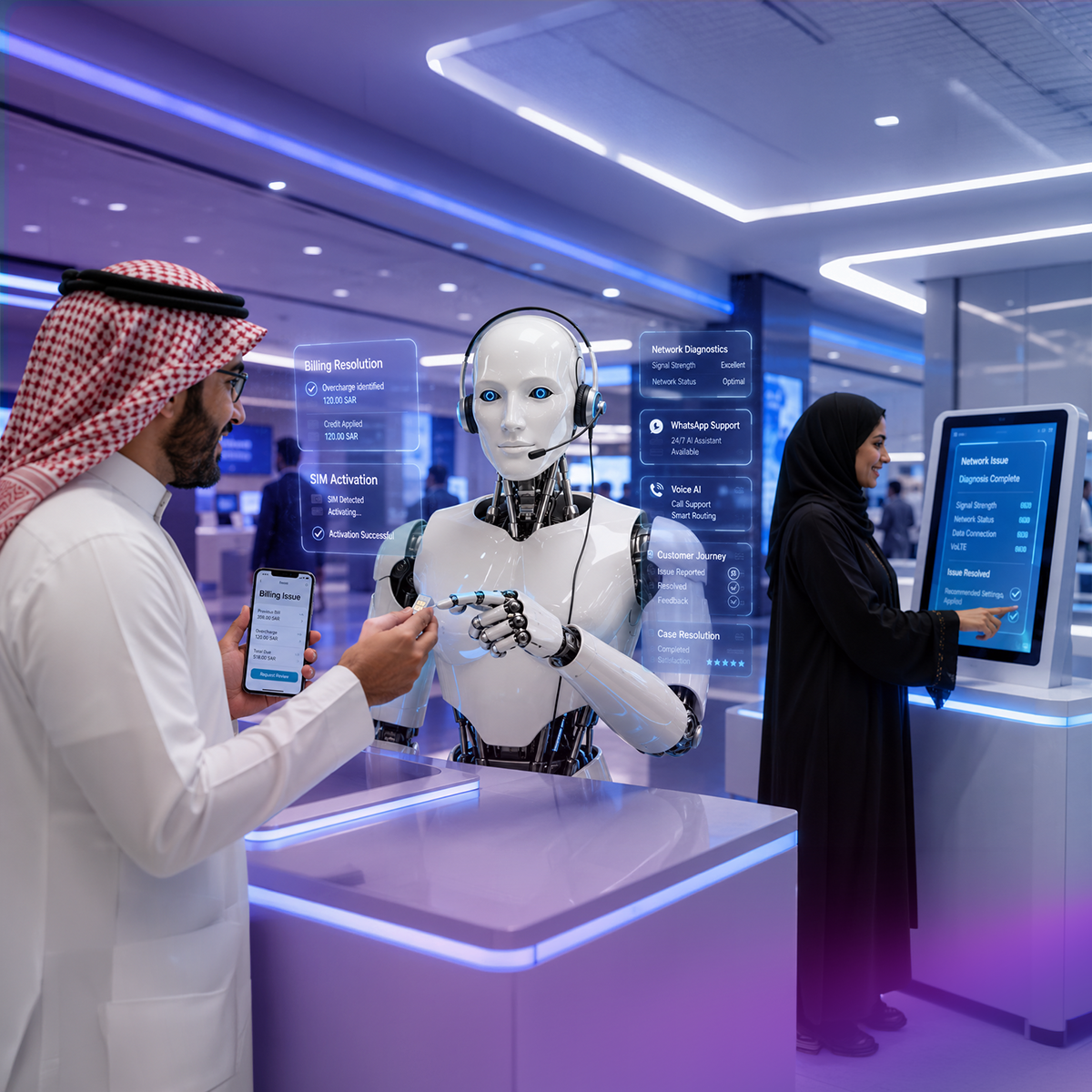
Explore how AI is transforming telecom customer experience. Compare top platforms including NICE CXone and Arabic-first alternatives built for MENA telecom operators.
Wittify.ai is a pioneering AI company specializing in the development of AI agents and applications aimed at automating and streamlining customer engagement activities and processes across various industries. Our mission is to empower businesses by enhancing their customer experience operational efficiency and enabling innovation through intelligent automation.

Information security management system
Business Continuity Management System
Quality Management System

Personal Data Protection Law Compliance
Personal Data Protection Law Compliance
General Data Protection Regulation Compliance


.png)


