


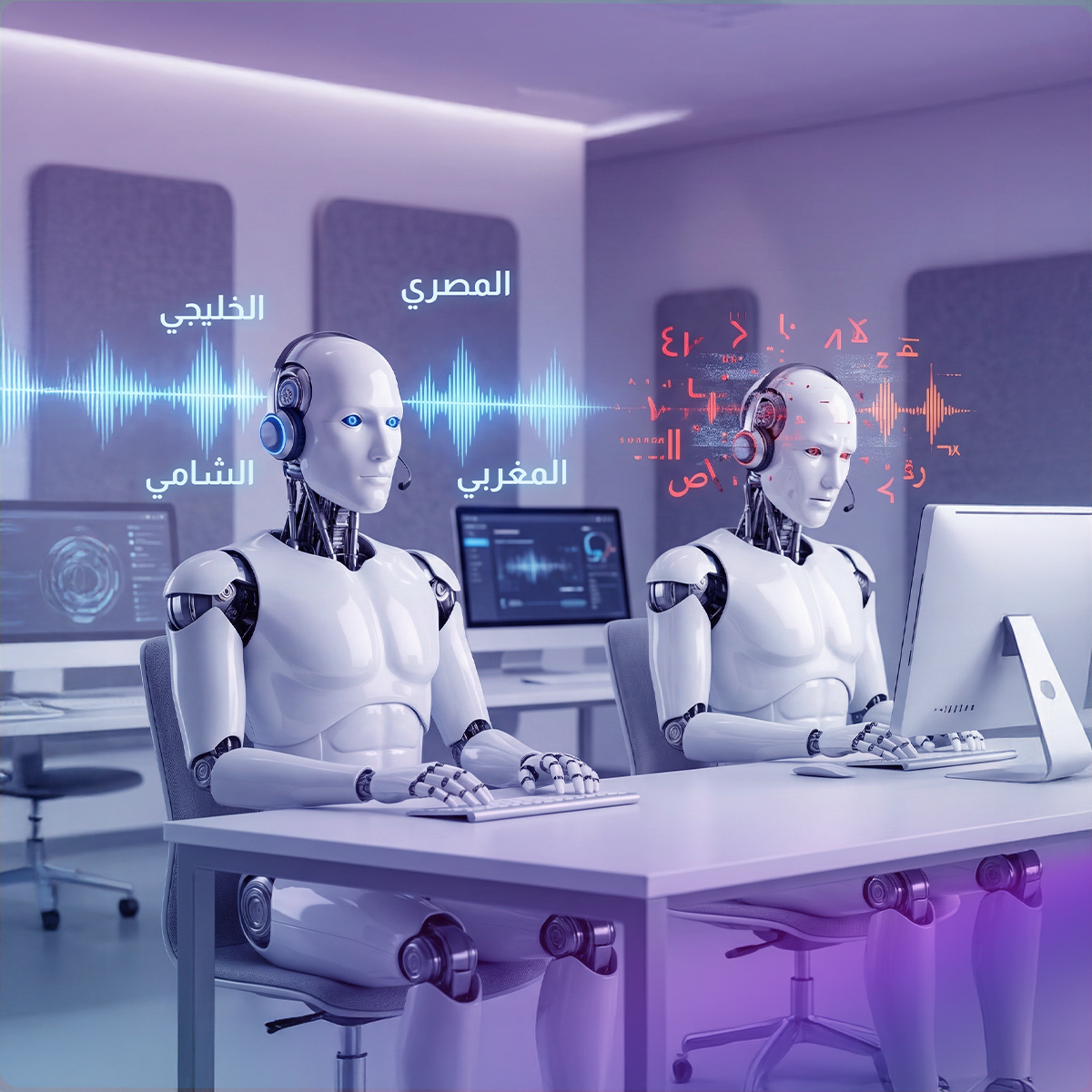
Why Arabic ASR and TTS alone are not enough for great voice AI. This article explains where global CCaaS platforms fall short in Arabic and why Wittify is built for real Arabic voice automation.
When enterprises in the Middle East evaluate AI platforms, one question comes up again and again: “Does Genesys support Arabic?”
The honest answer is: yes, technically. But the more important question for a regional leader is: “Is that support enough to deliver a great Arabic AI experience?” In most real-world deployments, the answer is no.
One of the biggest misconceptions in enterprise AI is treating Arabic as a simple language toggle. Arabic is fundamentally different from the Western languages most global AI systems are trained on.
While Genesys is a world-class global contact center platform, its AI is designed for consistency, not nuance.
Arabic conversations are not purely transactional. They require warmth, familiarity, and a specific pacing. Global platforms often sound "foreign" because they lack cultural intelligence.
Many enterprises realize too late that "Technical Support" for a language does not equal "Cultural Understanding." After deployment, they find:
Choosing Wittify doesn't always mean removing Genesys. In fact, the most successful regional deployments use a layered approach:
Arabic AI typically requires more tuning and data preparation. When using global platforms with token-based or tier-locked pricing, teams often become conservative, limiting the scope of their automation to save costs.
Wittify’s model is built for scaling. Predictable costs enable companies to rollout more use cases and achieve a faster, more transparent ROI.
If your goal is global consistency and standard contact-center orchestration, Genesys alone may suffice.
However, if your goal is high-quality Arabic voice AI that understands how Arabs actually speak, and you require long-term differentiation in the region, Wittify is the foundation your strategy needs.
Global platforms include Arabic. Wittify is built for it.
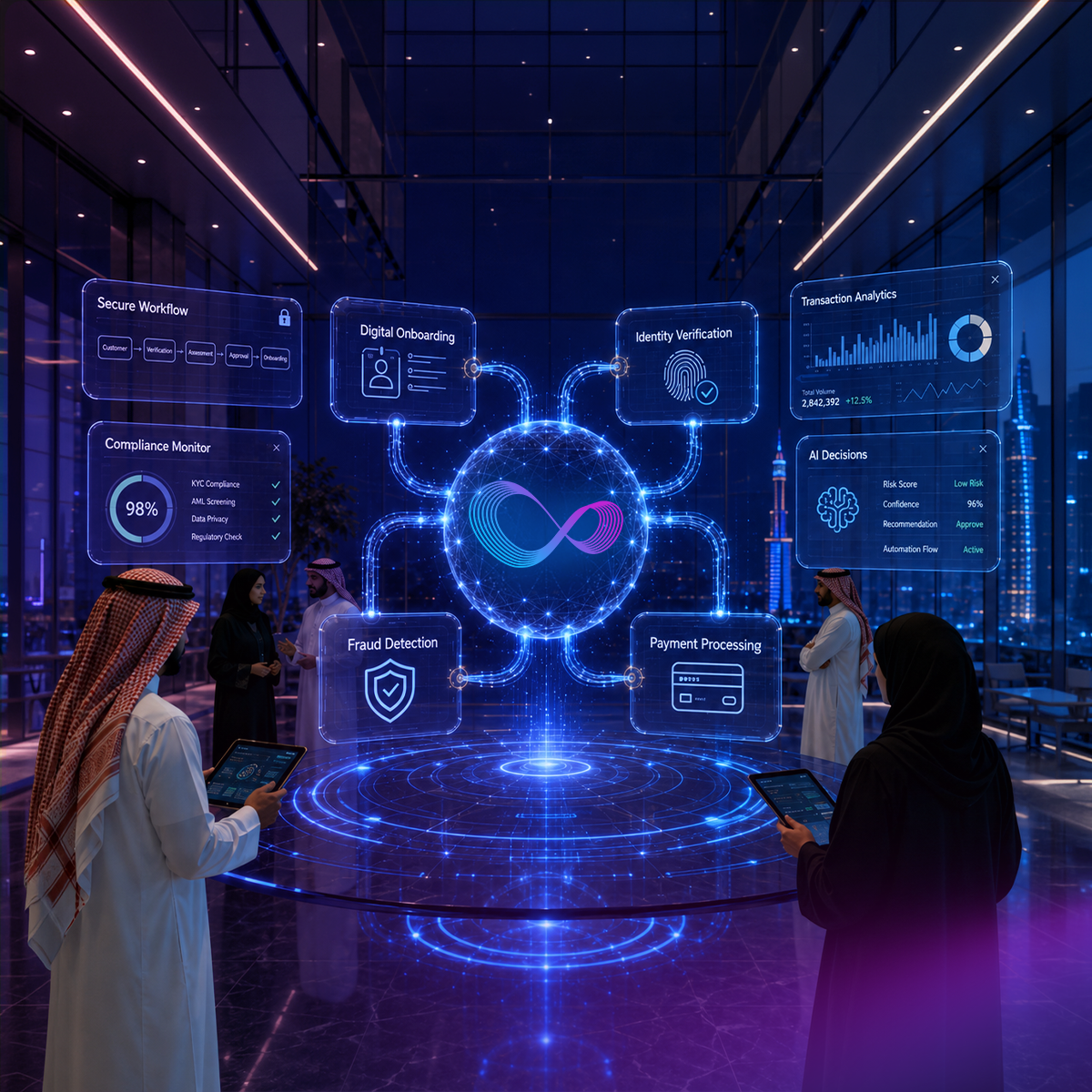
Discover how AI is transforming fintech customer experience in 2026 — from KYC and fraud alerts to Arabic-first support across MENA financial markets.
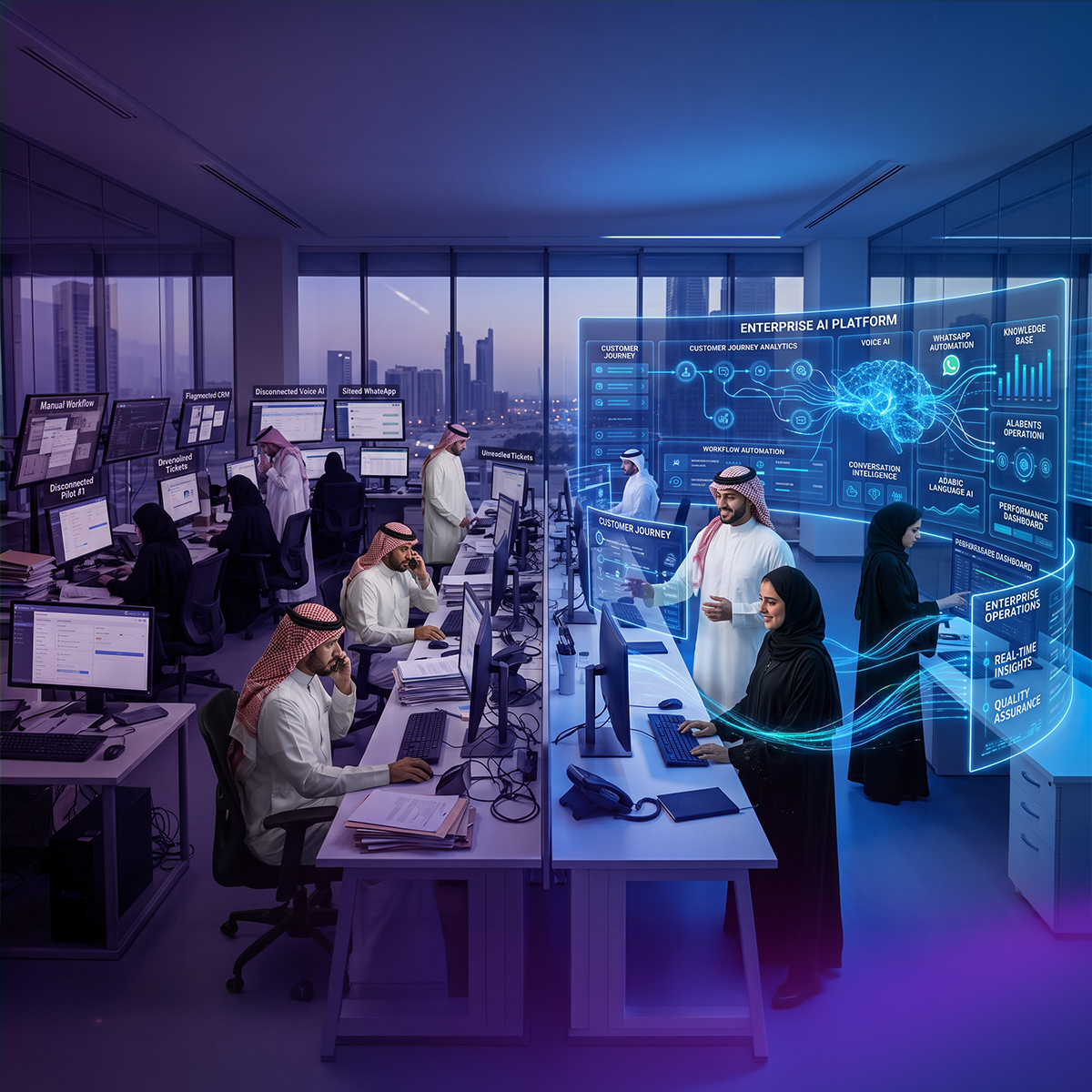
Most CX automation deployments stall before daily operational use. This guide covers 10 CX automation best practices, from escalation design to omnichannel continuity, with specific guidance for multilingual and Arabic-first contact centers.
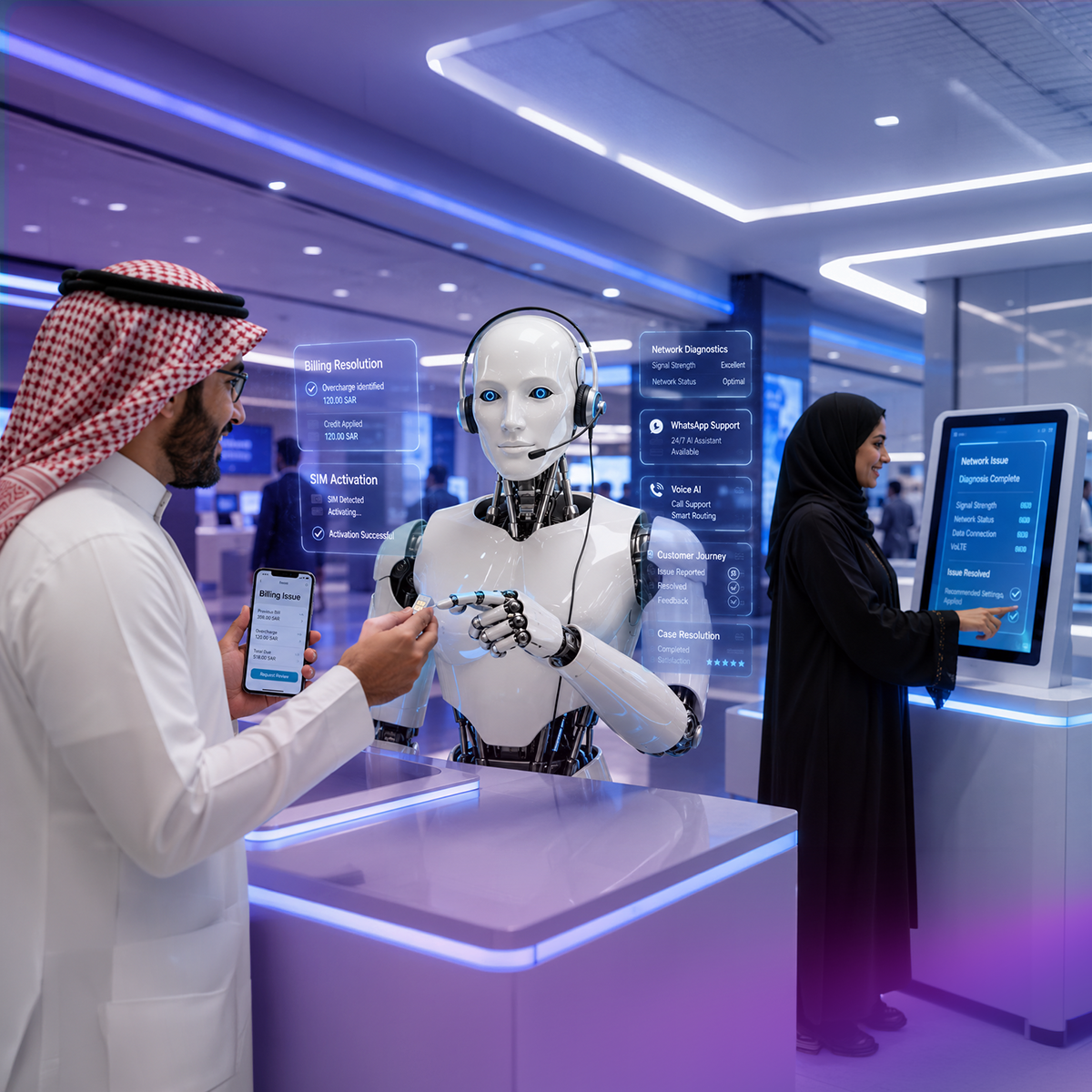
Explore how AI is transforming telecom customer experience. Compare top platforms including NICE CXone and Arabic-first alternatives built for MENA telecom operators.
Wittify.ai is a pioneering AI company specializing in the development of AI agents and applications aimed at automating and streamlining customer engagement activities and processes across various industries. Our mission is to empower businesses by enhancing their customer experience operational efficiency and enabling innovation through intelligent automation.

Information security management system
Business Continuity Management System
Quality Management System

Personal Data Protection Law Compliance
Personal Data Protection Law Compliance
General Data Protection Regulation Compliance


.png)


