



In today’s sales world, decisions are no longer based only on experience and intuition—data has become the main driver for strategies and results. With the rapid pace of technological advancement, organizations are now able to collect and analyze data about customers, competitors, and markets, enabling sales teams to make decisions that are more accurate and effective.
In today’s sales world, decisions are no longer based only on experience and intuition; data has become the main driver for strategies and results. With rapid technological advancement, organizations can now collect and analyze data about customers, competitors, and markets, enabling sales teams to make decisions that are more accurate and effective.
Sales and marketing decisions that were once made based on general estimates and personal experience are now supported by analytics that rely on real, precise figures and insights.
For example, teams can:
One key benefit of using an AI analytics dashboard is the ability to personalize customer experiences by tracking interactions across different channels such as social media, email, and websites.
AI-driven data analysis helps identify:
AI analytics dashboards don’t just improve current performance—they also help organizations predict the future, identify growth opportunities ahead of competitors, and detect early warning signs of market shifts or demand drops. This supports better contingency planning for different scenarios.
AI analytics dashboards make it possible to study customer preferences and feedback. This turns data into a roadmap for prioritizing product and service development.
AI analytics dashboards handle huge amounts of customer-generated data, and analysis is no longer a purely manual task. AI transforms how information is understood and applied by offering adaptability and continuous learning—turning data into strategic, actionable insight.
AI analytics dashboards can process massive amounts of data in record time. Instead of spending weeks or months collecting and analyzing information, AI algorithms can complete the necessary tasks within minutes while maintaining accuracy.
Example:
A major advantage of AI analytics dashboards is their ability to detect complex patterns and relationships that humans may not easily notice.
Example:
AI analytics dashboards play a critical role in successful sales strategies. Today, it isn’t enough to offer high-quality products—you must identify potential customers and engage them effectively to build a strong, long-term customer base. This process helps marketing teams focus efforts strategically and avoid wasting resources.
Lead sources are the channels and methods through which people discover your products or services. These sources can be digital or traditional, direct or indirect, free or paid.
Wittify.ai is an Arabic platform specialized in AI and creating intelligent conversational agents (text and voice) without the need for coding. It was founded in Riyadh in 2025 and raised $1.5$1.5 million in seed funding from Saudi investors, with strong strategic backing across the Middle East and North Africa region.
The platform enables sales teams to deploy intelligent agents across multiple channels such as WhatsApp, websites, and Instagram. These agents can:
Wittify.ai includes real-time dashboards that show:
Wittify.ai integrates with tools such as:
The platform supports more than 25 Arabic dialects and over 100 languages, allowing it to understand customer intent and communicate with cultural precision—an essential advantage for Middle Eastern markets.
Many teams are exploring AI analytics dashboards because of their role in simplifying data management and improving decision-making. We hope this article clarified the essential points and helped you think more strategically about identifying your most profitable lead sources in the Middle East.
Ready to stop guessing? Try Wittify.ai for free and identify your most profitable lead sources by analyzing customer conversations across every channel.
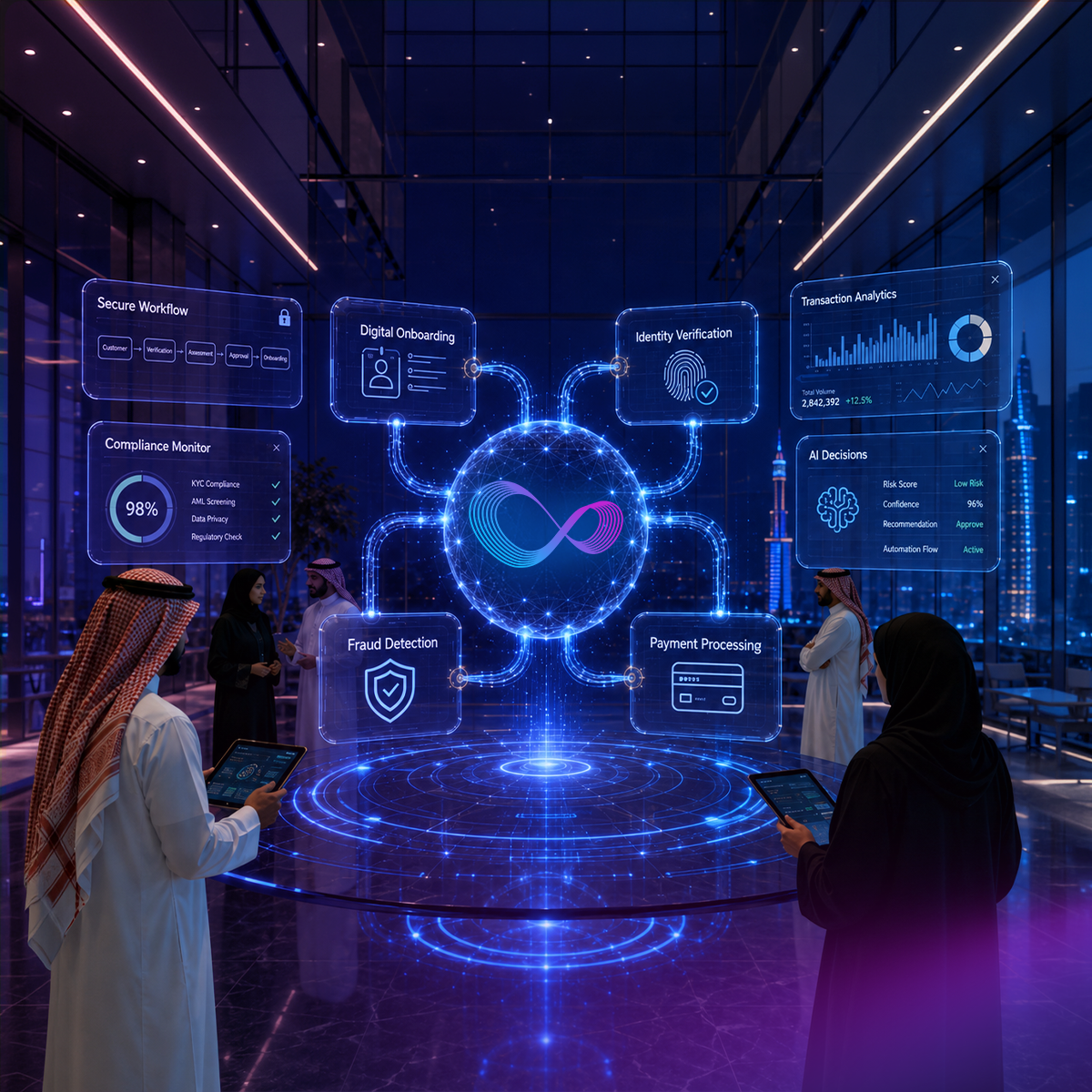
Discover how AI is transforming fintech customer experience in 2026 — from KYC and fraud alerts to Arabic-first support across MENA financial markets.

Most CX automation deployments stall before daily operational use. This guide covers 10 CX automation best practices, from escalation design to omnichannel continuity, with specific guidance for multilingual and Arabic-first contact centers.

Explore how AI is transforming telecom customer experience. Compare top platforms including NICE CXone and Arabic-first alternatives built for MENA telecom operators.
Wittify.ai is a pioneering AI company specializing in the development of AI agents and applications aimed at automating and streamlining customer engagement activities and processes across various industries. Our mission is to empower businesses by enhancing their customer experience operational efficiency and enabling innovation through intelligent automation.

Information security management system
Business Continuity Management System
Quality Management System

Personal Data Protection Law Compliance
Personal Data Protection Law Compliance
General Data Protection Regulation Compliance


.png)


