



In the era of rapid technological development, innovation has become the key to the success of companies and their ability to continue competing. Voice AI stands out as a revolutionary solution in the Saudi real estate sector, as it enables instant communication with customers in their dialects around the clock without the need for additional costs or training new employees. Solutions such as Wittify.ai provide smart voice agents that support more than 100 languages, in addition to 25 different Arabic dialects, reducing customer loss resulting from delayed responses or limited working hours. The combination of real estate expertise and advanced technical infrastructure creates an integrated marketing strategy capable of qualifying potential customers and increasing conversion rates, giving companies a qualitative leap in the real estate market.
In the era of rapid technological development, innovation has become the key to the success of companies and their ability to continue competing. Voice AI stands out as a revolutionary solution in the Saudi real estate sector, as it enables instant communication with customers in their dialects around the clock without the need for additional costs or training new employees.
Solutions such as Wittify.ai provide smart voice agents that support more than 100 languages, in addition to 25 different Arabic dialects, reducing customer loss resulting from delayed responses or limited working hours. The combination of real estate expertise and advanced technical infrastructure creates an integrated marketing strategy capable of qualifying potential customers and increasing conversion rates.
Voice AI is a system that combines speech-to-text (ASR), natural language understanding (NLU), and text-to-speech (TTS) to provide human-like voice conversations. This creates a more interactive and warmer experience than text chat alone, especially in a society that values verbal communication.
The system ensures that no opportunity is lost even outside working hours, applying automated qualification processes as follows:
Voice AI enables immediate responses, which greatly enhances user experience and increases the likelihood of scheduling a visit.
Decreases the need for large night shifts or peak-hour staff while maintaining high-quality service without fatigue.
Filtering leads enables representatives to focus on deals with the highest probability of closure.
The ability to handle thousands of calls simultaneously during marketing campaigns or major project launches.
From the perspective of Saudi laws and ethical standards, the answer requires understanding the following:
Wittify.ai is a practical choice for Saudi companies seeking a ready-to-use voice solution due to the following features:
To justify the investment, managers should track:
Adopting voice AI aligns with the Kingdom's digital transformation goals and the growing PropTech market. Local initiatives are making it easier than ever to integrate these advanced solutions into the real estate ecosystem.
Voice AI is no longer a luxury; it is an essential element for the success of Saudi real estate companies. Wittify.ai stands out as an ideal choice to solve the gap in instant communication and lead qualification.
In a fast-evolving market, the time to act is now.
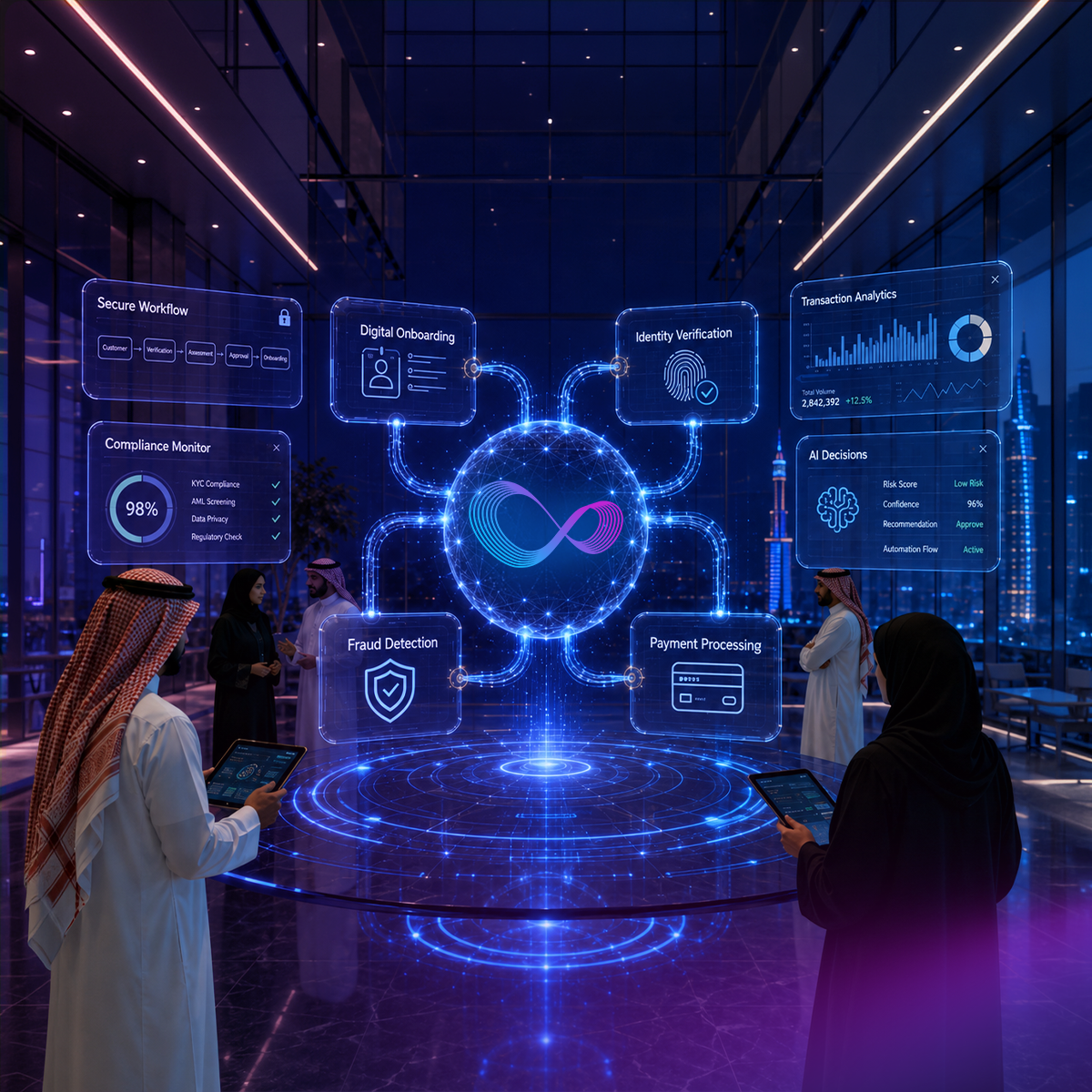
Discover how AI is transforming fintech customer experience in 2026 — from KYC and fraud alerts to Arabic-first support across MENA financial markets.

Most CX automation deployments stall before daily operational use. This guide covers 10 CX automation best practices, from escalation design to omnichannel continuity, with specific guidance for multilingual and Arabic-first contact centers.
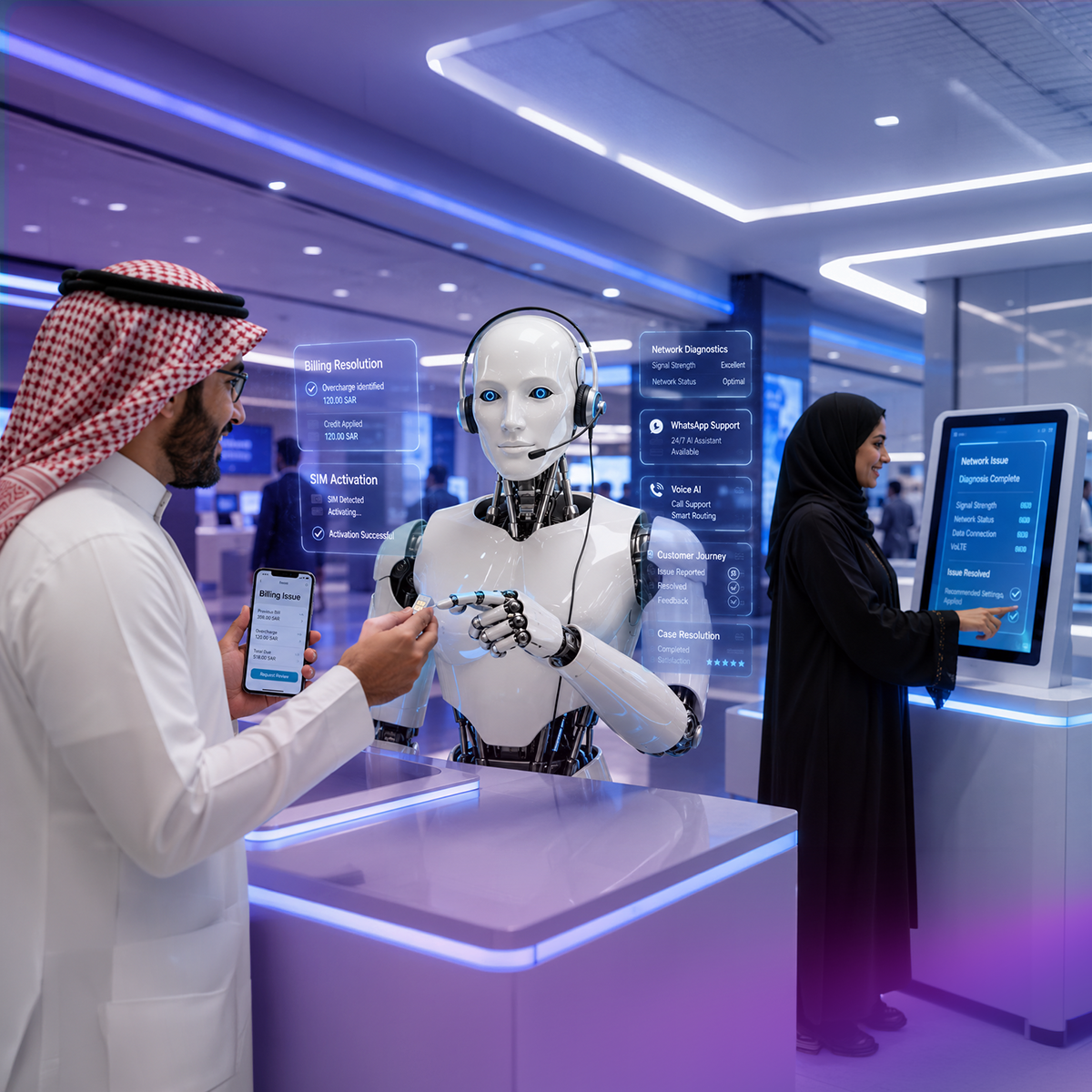
Explore how AI is transforming telecom customer experience. Compare top platforms including NICE CXone and Arabic-first alternatives built for MENA telecom operators.
Wittify.ai is a pioneering AI company specializing in the development of AI agents and applications aimed at automating and streamlining customer engagement activities and processes across various industries. Our mission is to empower businesses by enhancing their customer experience operational efficiency and enabling innovation through intelligent automation.

Information security management system
Business Continuity Management System
Quality Management System

Personal Data Protection Law Compliance
Personal Data Protection Law Compliance
General Data Protection Regulation Compliance


.png)


