


.png)
In the world of enterprise AI partnership, trust is not a luxury—it's the foundation of a successful digital transformation. When integrating a powerful AI platform to manage critical customer interactions, the biggest risks for large organizations are centered on data security, service reliability, and system quality.
Wittify has addressed these concerns head-on by achieving a globally recognized Triple ISO Certification: ISO 27001 (Information Security), ISO 9001 (Quality Management), and ISO 22301 (Business Continuity).
This achievement is more than a badge; it is a guarantee of operational maturity that dramatically de-risks your AI adoption and accelerates your time-to-value. For enterprise leaders evaluating AI vendors and partners, this triple certification serves as the ultimate benchmark for trustworthy conversational AI.
For an AI platform that handles sensitive customer data and integrates with your core business systems (CRM, ERP), information security is non-negotiable. Our ISO 27001 certification confirms that Wittify operates a robust Information Security Management System (ISMS), built on the highest international standards.
(H2: Focuses on core benefit and specific ISO key term: AI Platform Quality Management, ISO 9001)
The success of a conversational AI solution hinges on its ability to deliver consistent, high-quality interactions. AI systems must not just work; they must perform reliably and effectively across every channel and every language.
The ISO 9001 Quality Management System (QMS) ensures that every process at Wittify—from software development to customer support and deployment—is systematically planned, executed, and monitored for continuous improvement.
(H2: Focuses on critical operational key term: Business Continuity for AI, ISO 22301)
In the 24/7/365 digital economy, system downtime is unacceptable, especially for your primary customer engagement channels. ISO 22301 is the international standard for Business Continuity Management (BCMS), and it is a non-negotiable factor for modern enterprises.
(H2: The conversion-focused section, wrapping up the value proposition)
For enterprise decision-makers, choosing an ISO-certified AI partner is a strategic move that fundamentally mitigates third-party risk. Wittify offers more than just the most advanced conversational AI technology; we offer the verified assurance that comes from a globally recognized commitment to Security, Quality, and Resilience.
By selecting Wittify, your enterprise gains:
Ready to build your next-generation customer experience on a foundation of verifiable trust?
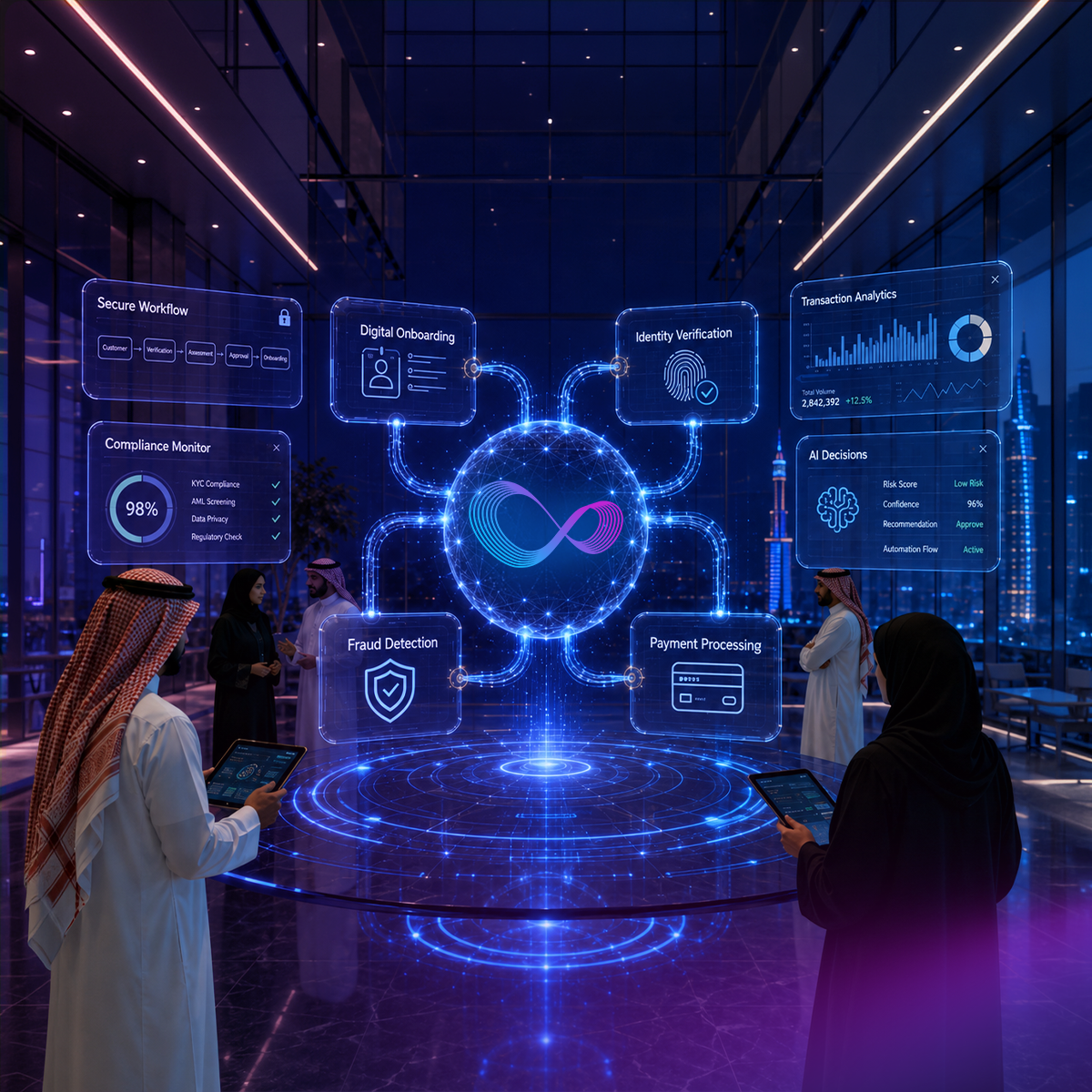
Discover how AI is transforming fintech customer experience in 2026 — from KYC and fraud alerts to Arabic-first support across MENA financial markets.
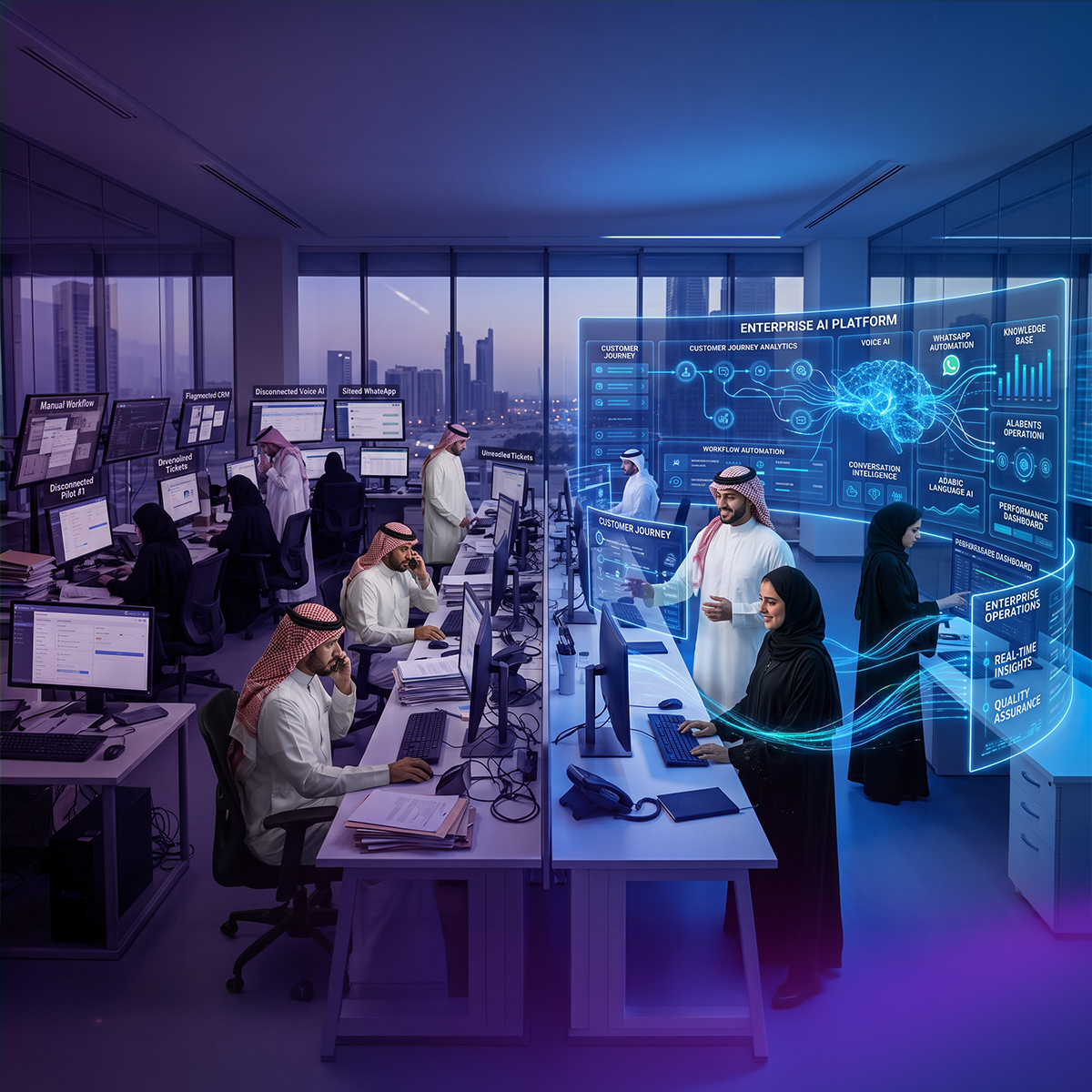
Most CX automation deployments stall before daily operational use. This guide covers 10 CX automation best practices, from escalation design to omnichannel continuity, with specific guidance for multilingual and Arabic-first contact centers.
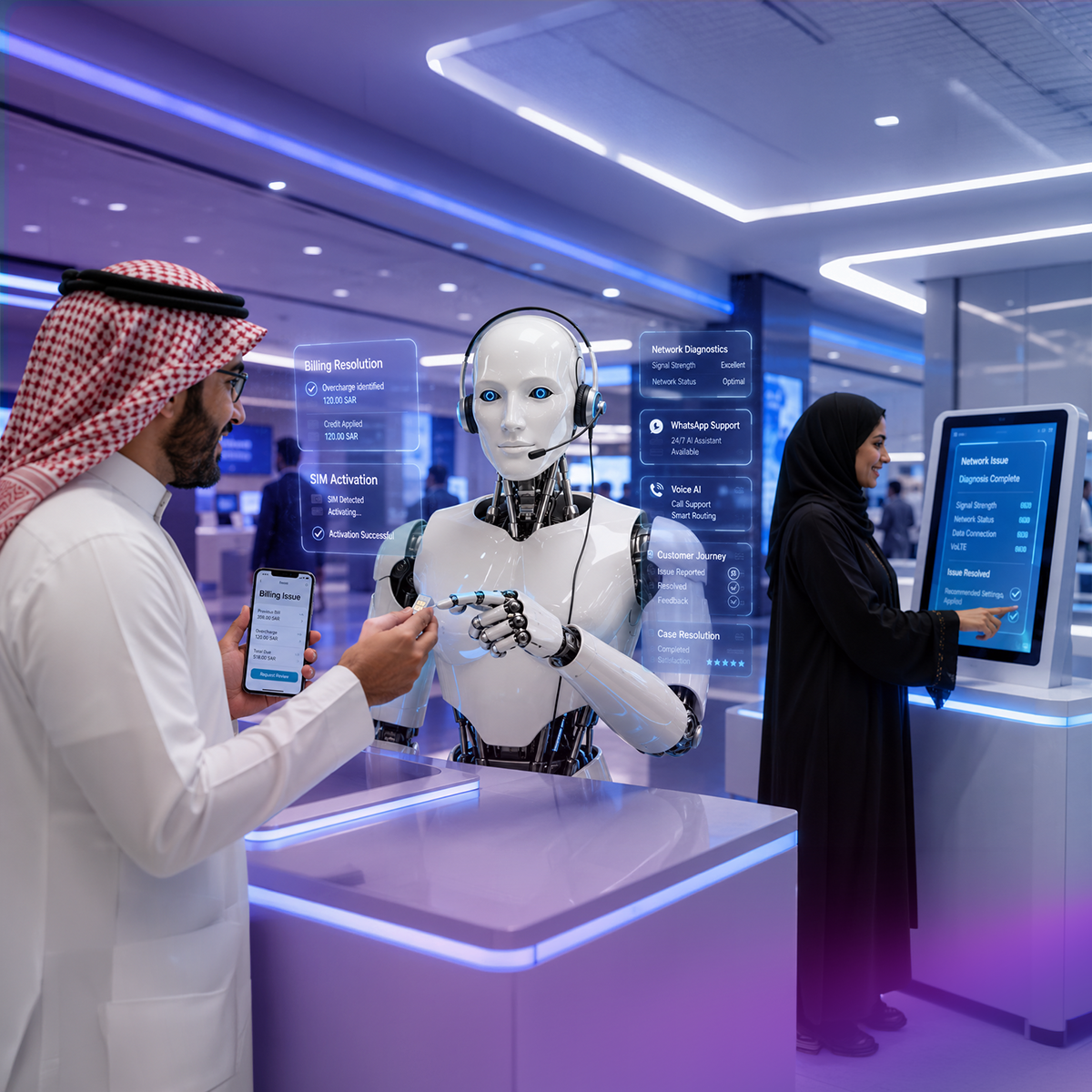
Explore how AI is transforming telecom customer experience. Compare top platforms including NICE CXone and Arabic-first alternatives built for MENA telecom operators.
Wittify.ai is a pioneering AI company specializing in the development of AI agents and applications aimed at automating and streamlining customer engagement activities and processes across various industries. Our mission is to empower businesses by enhancing their customer experience operational efficiency and enabling innovation through intelligent automation.

Information security management system
Business Continuity Management System
Quality Management System

Personal Data Protection Law Compliance
Personal Data Protection Law Compliance
General Data Protection Regulation Compliance


.png)


