


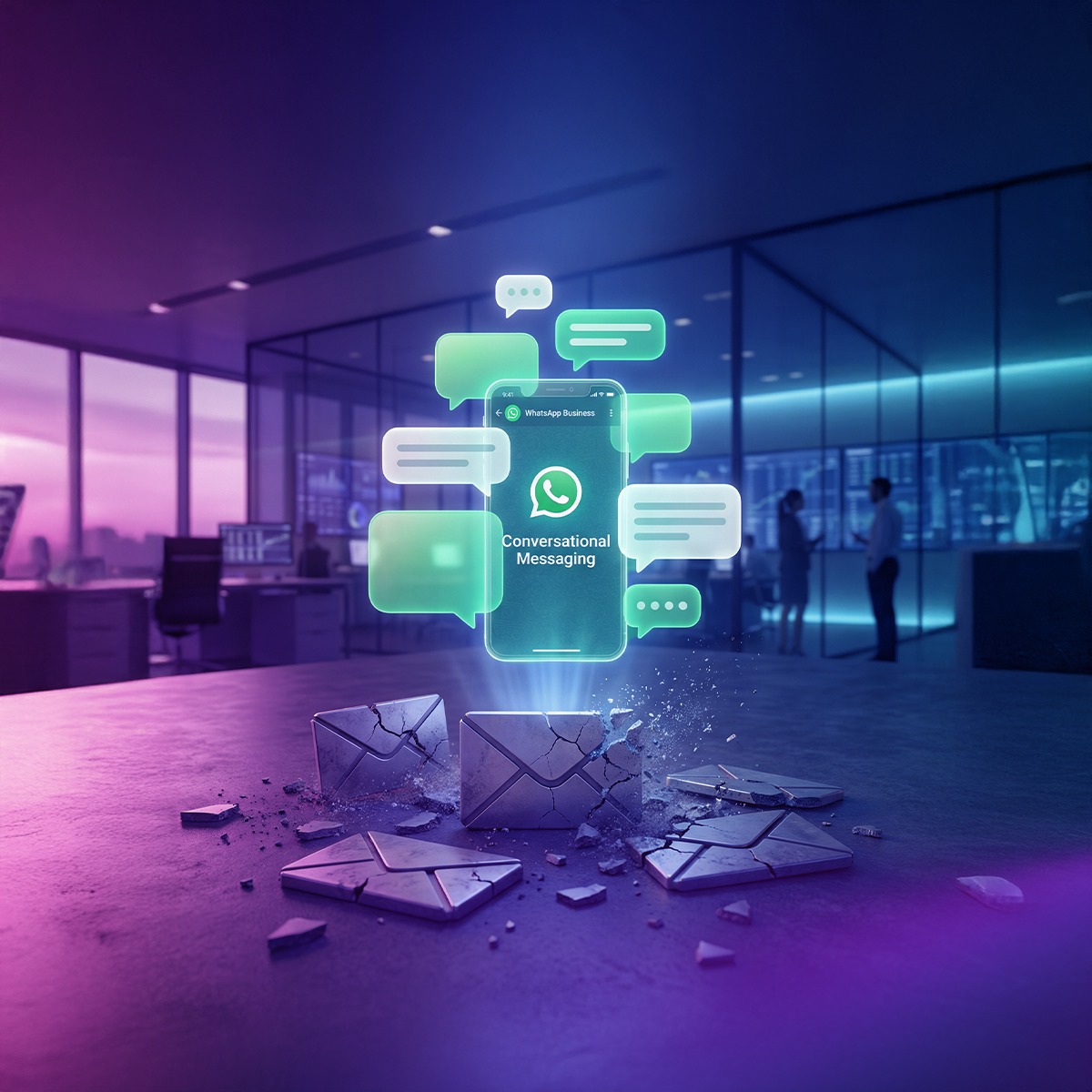
Email support is slow and hated. Discover why "Async Messaging" (via WhatsApp and Instagram) is replacing the "Contact Us" form and how Wittify helps you make the switch.
You have a problem. You click "Support." And instead of a phone number or a chat window, you are greeted by a static, soulless wall of text fields: Name. Email. Subject. Message. Captcha.
You fill it out. You hit submit. And then you get the automated reply that signals the death of urgency: "Thank you for contacting us. We will respond within 24-48 hours."
In the age of on-demand everything, 48 hours is an eternity.
The "Contact Us" form is a relic. It is a legacy tool built for a time when business moved at the speed of post. But in 2026, forcing a customer to email you is not just an inconvenience—it is a competitive disadvantage.
The future belongs to Async Messaging. And if your business isn't living inside apps like WhatsApp and Instagram, you are already behind.
To understand why the form must die, we have to look at the two old modes of communication:
Both of these models fail because they don't match how humans actually communicate today.
Think about how you talk to your friends. You send a WhatsApp message at 10:00 AM. Your friend replies at 10:05 AM. You reply back at 11:00 AM while waiting for coffee.
The conversation never "closes." It flows. It pauses when life gets busy and resumes instantly when you have time. There is no "Ticket #94821." There is just a continuous thread of context.
This is Async Messaging. And it is the only support model that respects your customer's time.
So, if you delete the form, what replaces it?
A single, unified conversation stream.
With Wittify, you don't need to manage 10 different tabs for WhatsApp, Instagram, Messenger, and Webchat. You connect them all to one central "Brain."
For billions of users, WhatsApp is the internet.
Customers DM you on Instagram to ask about products. If you send an auto-reply saying "Please email [email protected]", you just killed the sale.Wittify allows you to treat DMs as support tickets. You can answer sizing questions, resolve complaints, and even process orders without the customer ever leaving the Instagram app.
In an email chain, context gets lost in "Re: Re: Fwd:" headers.In an Async model powered by Wittify, the entire history is there forever. If a customer messaged you last year on Facebook and today on WhatsApp, Wittify recognizes them as the same person. You know their history. You don't ask "What is your Order ID?" because you already know.
You might be thinking, "I can't just delete my email address."Actually, you can. And many modern tech companies (like Slack and Asana) have made it very hard to find an email address, pushing users toward chat instead.
Here is your transition plan:
Your customers do not live in their email inboxes. They live in their chat apps.
By forcing them to use a "Contact Us" form, you are prioritizing your internal workflow over their convenience. It is a selfish design.
Moving to Async Messaging with Wittify isn't just about "tech trends." It’s about empathy. It’s about saying to your customer: "We are available on your terms, in your pocket, whenever you need us."
Delete the form. Start the conversation.
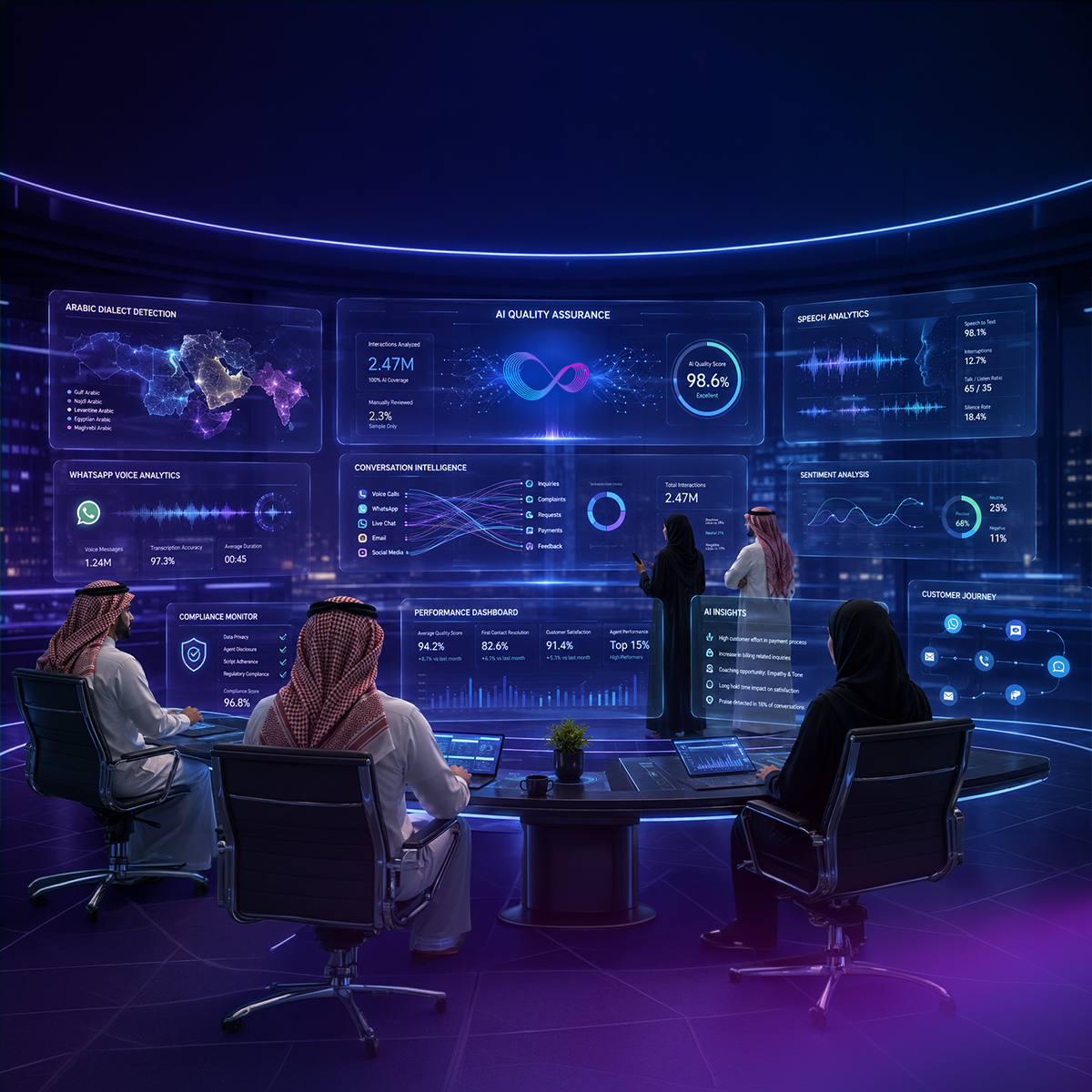
Comparing contact center quality assurance platforms in 2026? This guide explains how AI-powered QA works, what global tools do well, and what English-first platforms often miss in Arabic and MENA environments.
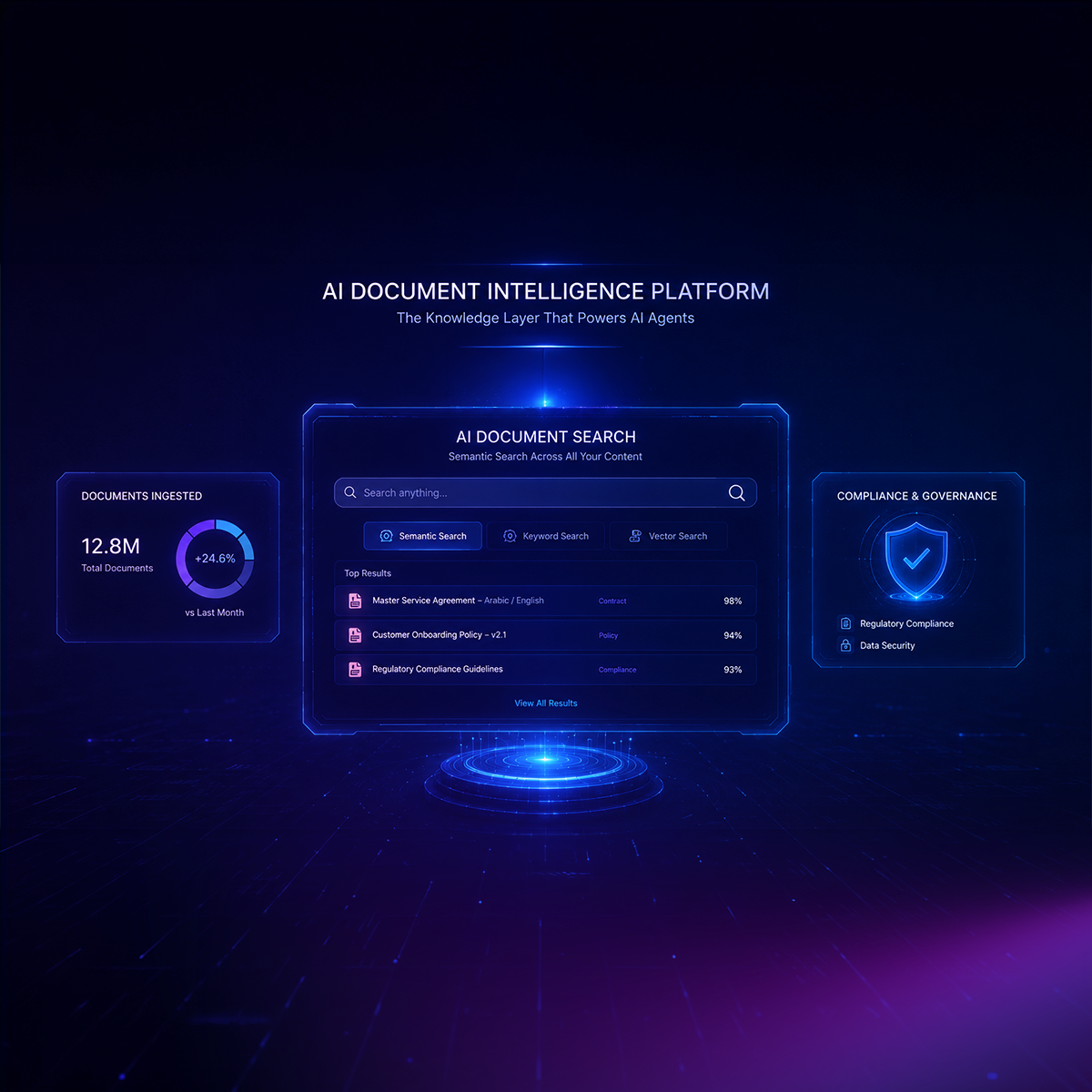
Compare the best AI document search tools for enterprise document AI, RAG-powered knowledge search, Arabic document intelligence, and CX automation. Learn how Wittify AI helps MENA enterprises search documents, extract insights, and automate workflows securely.
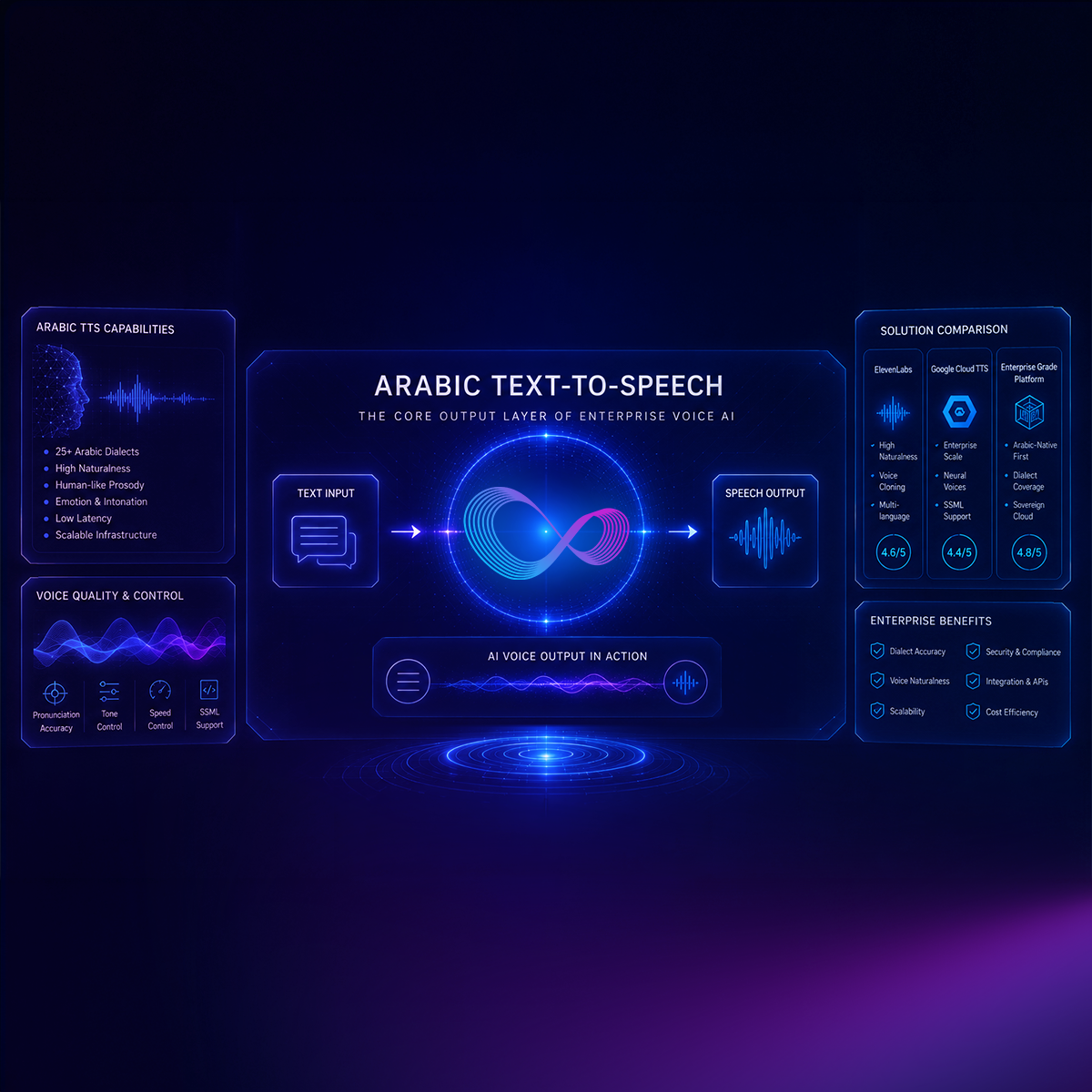
Examine the architectural role of Arabic TTS within enterprise voice AI systems. Compare CX automation vendors and voice infrastructure systems for the MENA region.
Wittify.ai is a pioneering AI company specializing in the development of AI agents and applications aimed at automating and streamlining customer engagement activities and processes across various industries. Our mission is to empower businesses by enhancing their customer experience operational efficiency and enabling innovation through intelligent automation.

Information security management system
Business Continuity Management System
Quality Management System

Personal Data Protection Law Compliance
Personal Data Protection Law Compliance
General Data Protection Regulation Compliance


.png)


