


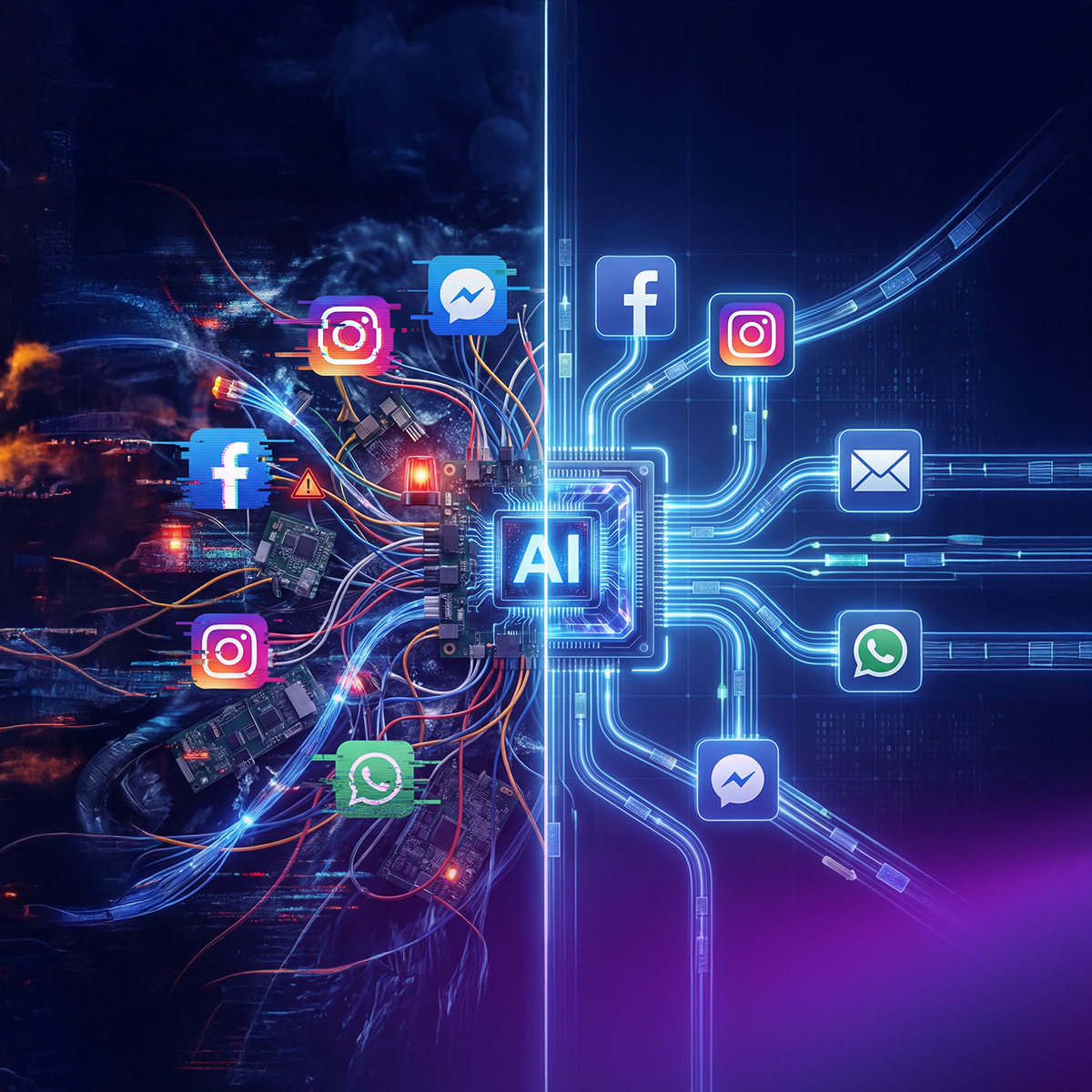
Stop routing and start resolving. Discover why traditional CCaaS omnichannel platforms fail at AI presence and how Wittify’s AI-native intelligence layer closes the gap.
In the modern Contact Center as a Service (CCaaS) landscape, omnichannel is no longer a competitive advantage, it’s a baseline expectation.
Leading platforms such as Genesys, NICE, Amazon Connect, Five9, and Avaya have mastered the operational challenge of moving a customer from web chat to voice to social messaging without losing context, compliance, or reporting continuity.
However, as enterprises shift from human-led support to AI-led resolution, a structural limitation has become increasingly visible.
We call this limitation:
The CCaaS Omnichannel Gap
While CCaaS platforms excel at routing interactions, they were never designed to provide a persistent, intelligent AI presence across channels. That distinction is now holding many enterprise AI strategies back.
Most CCaaS platforms treat AI as a destination.
A message arrives from WhatsApp, X (Twitter), Instagram, or web chat, and the system routes that interaction to a bot operating inside the CCaaS environment.
The Gap:
The Wittify Solution:
Key integration points include:
WhatsApp, Instagram DMs, Facebook Messenger, X (Twitter), Web Widgets, Mobile Apps, and Native Voice (SIP).
Traditional CCaaS omnichannel strategies focus on making channels available.
Effective AI requires those channels to be understood.
The Reality:
The CCaaS Limitation:
The Wittify Edge:
This capability is especially critical in Arabic-speaking markets, where linguistic and cultural nuances differ dramatically between SMS, WhatsApp, voice, and social platforms.
Most CCaaS-native AI is built on intent trees — linear logic such as If A → then B.
This approach works for FAQs but fails in real, dynamic conversations.
The Execution Gap:
Customers don’t want menus. They want problems solved.
Wittify closes this gap by enabling AI agents to:
—all without rebuilding logic for every channel.
Omnichannel AI is only as effective as the data it can reason over.
The Constraint:
The Enterprise Reality: Real data is messy:
The Wittify Advantage:
In traditional CCaaS pricing models, costs stack quickly:
As automation increases, cost predictability decreases.
Wittify’s Approach:
By separating Routing (CCaaS) from Intelligence (Wittify), enterprises can scale AI across voice, messaging, and social channels without runaway per-interaction costs.
Automation becomes something organizations expand confidently — not something they hesitate to deploy.
This is not a replacement strategy.
It is an evolution strategy.
In best-practice enterprise architectures:
This layered model preserves operational stability while unlocking real AI value.
Ask these five questions:
If the answer to most of these is “no,” you’ve identified The CCaaS Omnichannel Gap.
The CCaaS Omnichannel Gap is the difference between systems that move messages and systems that solve problems.
Routing is necessary, but it is not an AI strategy.
To deliver real omnichannel automation, enterprises need an intelligence layer that lives where customers already are, understands context and culture, and executes actions end-to-end.
That is the gap Wittify is built to close.
Explore Wittify AI — The Intelligence Layer for Modern CCaaS
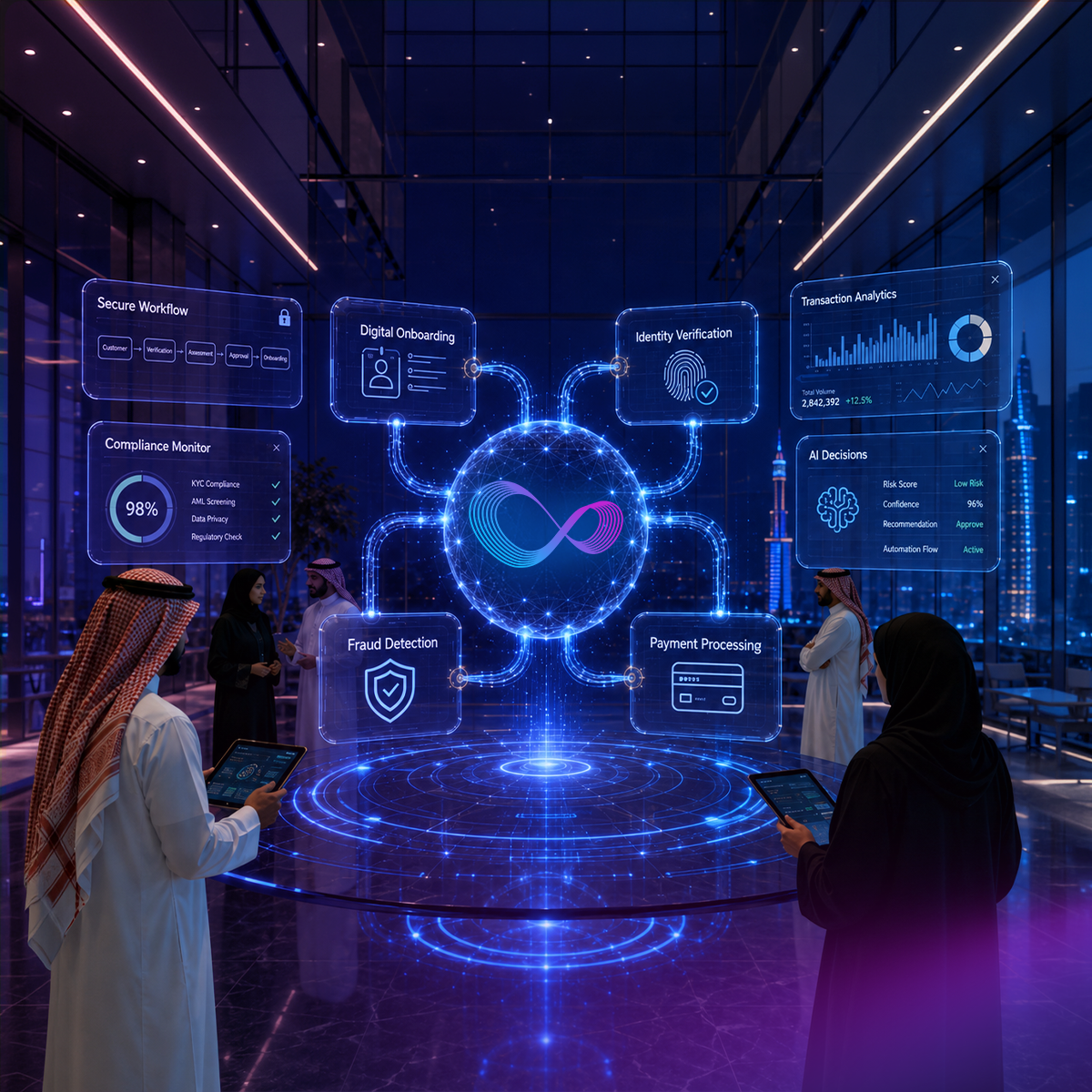
Discover how AI is transforming fintech customer experience in 2026 — from KYC and fraud alerts to Arabic-first support across MENA financial markets.

Most CX automation deployments stall before daily operational use. This guide covers 10 CX automation best practices, from escalation design to omnichannel continuity, with specific guidance for multilingual and Arabic-first contact centers.
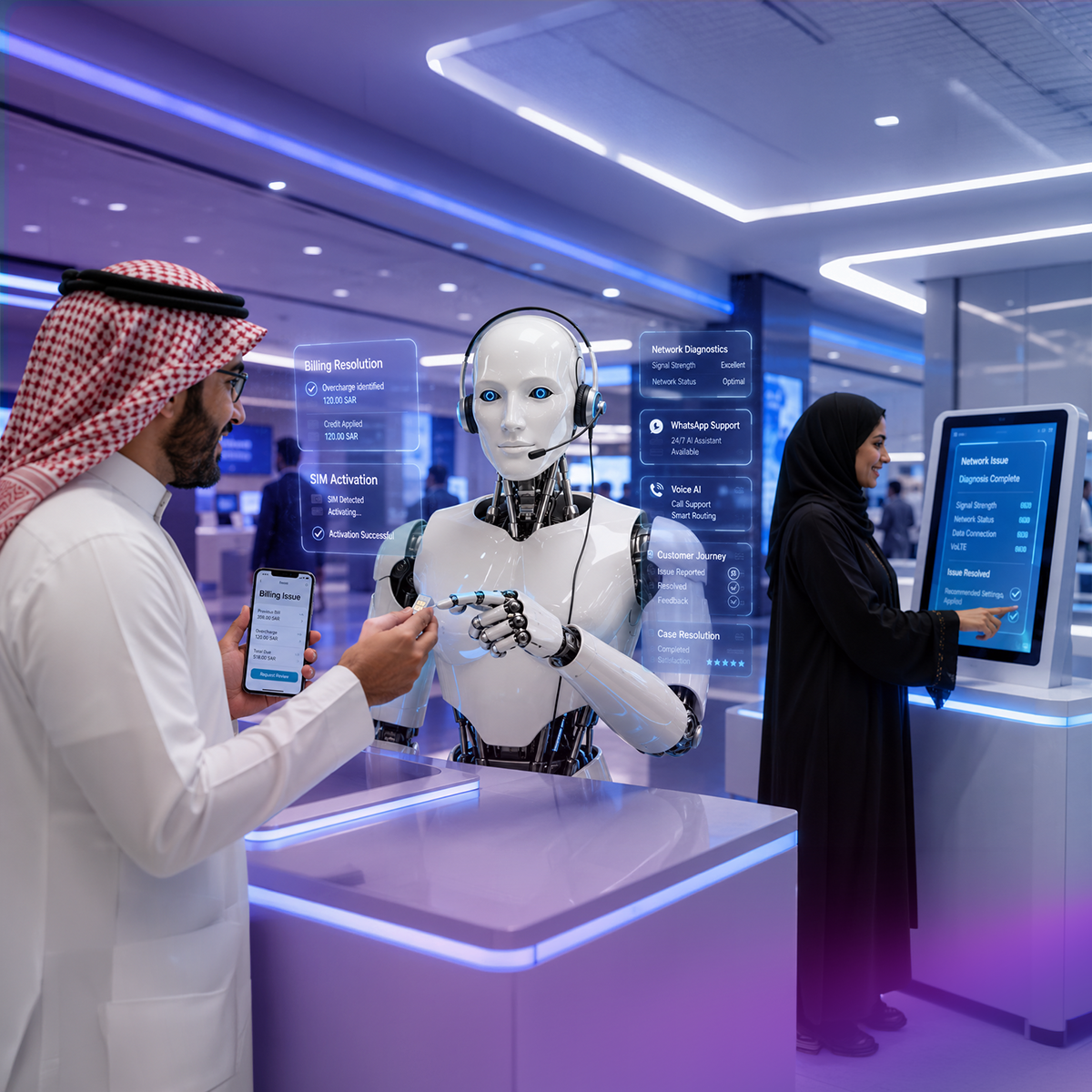
Explore how AI is transforming telecom customer experience. Compare top platforms including NICE CXone and Arabic-first alternatives built for MENA telecom operators.
Wittify.ai is a pioneering AI company specializing in the development of AI agents and applications aimed at automating and streamlining customer engagement activities and processes across various industries. Our mission is to empower businesses by enhancing their customer experience operational efficiency and enabling innovation through intelligent automation.

Information security management system
Business Continuity Management System
Quality Management System

Personal Data Protection Law Compliance
Personal Data Protection Law Compliance
General Data Protection Regulation Compliance


.png)


