



Learn what the 60-Second Rule is, why speed-to-lead drives up to 391% higher conversions, and how AI calls + WhatsApp automation help you win every lead in 2026.
A lead is a moment, not a record.
In the current digital landscape, marketing has become hyper-efficient at generating leads, but sales remains stuck in a manual past. Every business can run ads; very few can respond fast enough to actually win the customer.
This is where the 60-Second Rule comes in. In 2026, it’s no longer a “nice-to-have” or a sales trick, it’s a structural requirement for any business competing in the instant-gratification economy.
The 60-Second Rule is a lead-conversion strategy that requires contacting a new lead within one minute of their inquiry. By engaging prospects while intent is at its absolute peak, businesses dramatically increase contact rates, qualification accuracy, and revenue ROI.
According to 2026 industry benchmarks, companies that respond within 60 seconds often outperform those that wait even five minutes by nearly 4×.
When a prospect clicks Submit, three psychological forces peak simultaneously:
Active Comparison
They likely have 2–3 competitor tabs open. The first company to respond anchors trust and becomes the reference point.
Peak Availability
They are holding their phone right now. Answer rates for unknown numbers can be up to 10× higher in the first minute.
Contextual Urgency
They still remember what problem triggered the search and what outcome they want. After 10–15 minutes, that context disappears.
If you aren’t first, you are usually invisible.
Key Insight: Research from Velocify and InsideSales shows that 78% of customers buy from the company that responds first. Speed-to-lead is not about efficiency, it’s about being the only conversation that happens.
Most companies don’t fail because they don’t care. They fail because humans are structurally slow:
Speed requires systems, not discipline.
Wittify was built to eliminate the Lead Response Failure Gap. We enable businesses to execute a perfect, multi-channel response in under 60 seconds, automatically, 24/7.
Step 1: Instant WhatsApp (0–5 seconds)
The moment a lead arrives (Website, Meta Ads, Google, WhatsApp), Wittify sends a personalized message:
“Hi [Name]! 👋 I saw your request. I can help right away, would you like a quick call now?”
Step 2: AI Voice Call (within 60 seconds)
An AI Voice Agent, trained in your brand tone and local dialect, calls the lead to:
Step 3: CRM Sync
Everything is logged automatically. Your human team only handles ready-to-close conversations.
Wittify follows a service-first approach so automation feels human.
WhatsApp Hook:
“Hi [Name]! I’m the assistant for [Company]. I’ve got your request, should I call you now or send a booking link?”
AI Call Opening:
“Hi [Name], this is [Agent Name] from [Company]. You just requested a quote a moment ago, did I catch you at a good time for a quick 60-second chat?”
The Close:
“Perfect. I’ve sent the meeting invite and a summary to your WhatsApp. Looking forward to speaking with you.”
If your lead value is high, your response time must be instant.
In 2026, product quality and ad spend are table stakes. Speed is the real advantage. If you respond slower than your competitor, you lose, even if you’re better.
With Wittify, you automate:
Every lead. Every time. Instantly.
Stop letting leads grow cold. Automate your outreach and unlock up to 400% higher conversions, without hiring.
👉 Start now with Wittify:
We’ll build your first 60-Second Workflow and show you live results.
.jpeg)
Most contact centers still rely on sample-based QA. The real issue is not speed. It is visibility across every interaction, channel, and agent. Sample-based QA no longer gives contact centers the visibility they need. Here is why modern teams need broader insight across human and AI-led interactions.
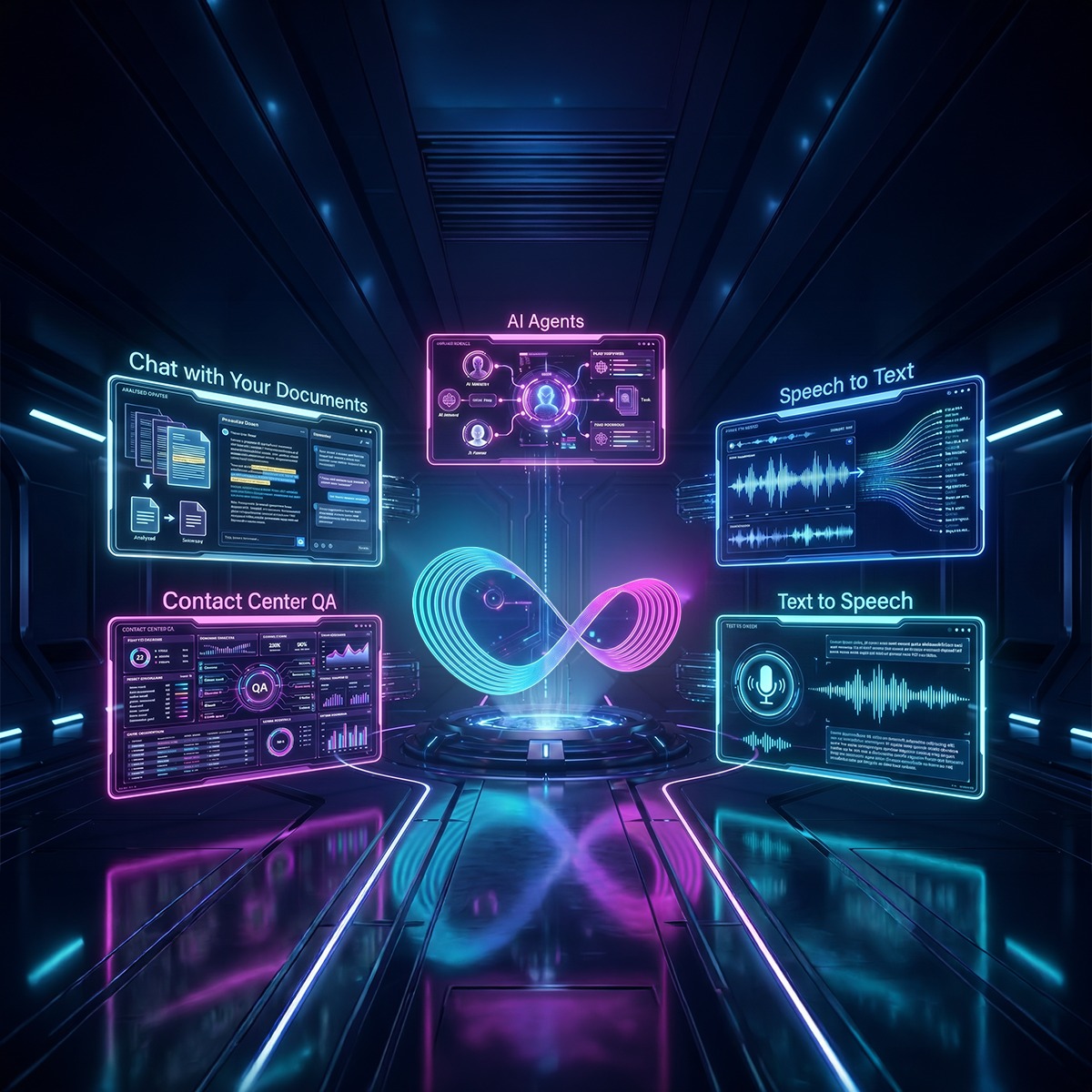
Wittify began with AI Agents that could act. Today, they listen across Arabic dialects, sound human, review 100% of conversations, and cite every answer from your data. Here’s how Wittify’s five products evolved into an accountable enterprise AI stack.
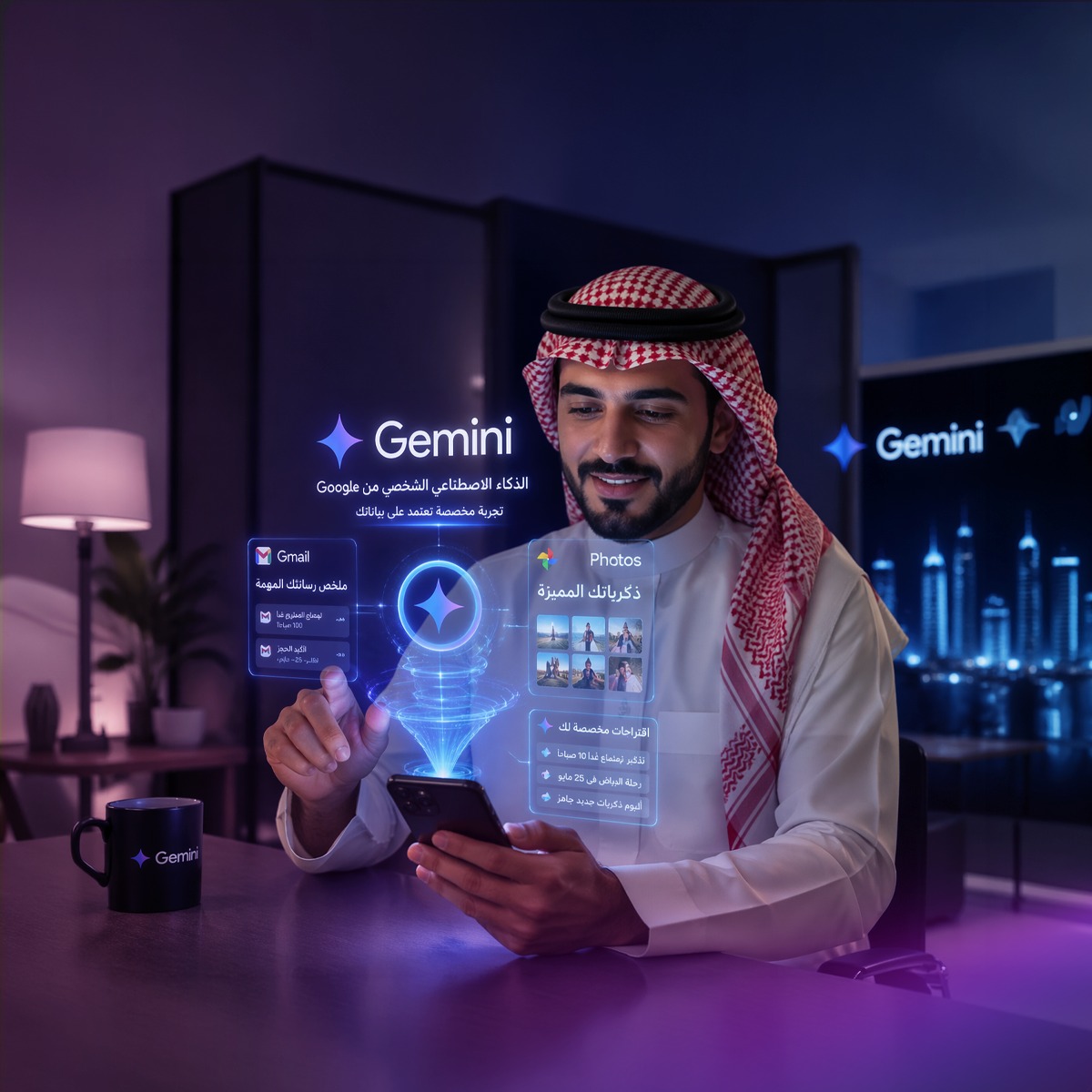
Google has launched Gemini's Personal Intelligence feature across the Arab world, connecting Gmail, Photos, and personal apps for tailored AI experiences. Here's what this means for Arabic-speaking users and enterprise conversational AI in the MENA region.
Wittify.ai is a pioneering AI company specializing in the development of AI agents and applications aimed at automating and streamlining customer engagement activities and processes across various industries. Our mission is to empower businesses by enhancing their customer experience operational efficiency and enabling innovation through intelligent automation.

Information security management system
Business Continuity Management System
Quality Management System

Personal Data Protection Law Compliance
Personal Data Protection Law Compliance
General Data Protection Regulation Compliance


.png)


