


.png)
We’ve already established how No-Code AI can supercharge lead generation, turning website visitors into high-quality prospects. But the power of quick deployment AI is often wasted by limiting it to customer-facing applications. The real frontier for immediate ROI is within your own four walls: Internal Operations.
Stop Waiting for APIs: How Sales Teams are Building AI Tools for Internal Ops (No Dev Required)
The Hidden Drag on Sales Productivity
We’ve already established how No-Code AI can supercharge lead generation, turning website visitors into high-quality prospects. But the power of quick deployment AI is often wasted by limiting it to customer-facing applications. The real frontier for immediate ROI is within your own four walls: Internal Operations.
Think about the daily drag on your high-performing Sales and Sales Operations teams:
These internal friction points are not trivial. They represent thousands of wasted hours annually—time your expensive, highly-skilled team should be spending selling. The irony is that Sales Ops often has the clearest view of these problems but lacks the programming resources to solve them, forced to perpetually Wait for the API.
No-Code AI is the definitive end to this wait. It transforms the Sales Operations Manager into an Internal Tool Builder, eliminating reliance on IT and clearing the path for massive, immediate efficiency gains.
No-Code: The New Sales Ops Superpower
The genius of no-code platforms is their ability to rapidly build tools that automate repetitive, knowledge-intensive, or data-cleaning tasks. Crucially, they do this via intuitive visual builders and powerful Integration Templates.
Sales teams don't need a custom database; they need a clean way to interact with the data they already have in their CRM, Slack, and internal knowledge bases.
Here are three high-impact, internal AI tools your Sales Ops team can deploy this week using no-code:
1. The Internal Knowledge Concierge Bot
This is the ultimate efficiency tool for onboarding and daily operations.
2. The CRM Data Auditor Applet
Clean data is the foundation of quality leads and accurate forecasts. No-code can build the guardrails.
3. The Personalized Content Drafting Assistant
AI should augment the human touch, not replace it.
The Power of the Integration Template
The key to Quick Deployment for internal tools is the use of pre-built, drag-and-drop connectors to the tools your business already runs on—Salesforce, HubSpot, Slack, Zendesk. You're not writing API calls; you're simply authenticating a connection and visually mapping data fields.
This approach democratizes the integration layer. The person who needs the tool—the Sales Ops manager—can deploy the solution, connect it to the core system, and ensure data flows correctly, all without ever needing a development ticket or a late-night debugging session.
The shift is strategic: Stop treating AI as a shiny, customer-facing gadget and start treating it as the core operating system for internal efficiency. By quickly deploying these internal no-code tools, you don't just generate more leads; you make every single moment of your sales team's day more productive and valuable.
Your fastest path to a 10% increase in sales capacity is not hiring more reps, but eliminating the internal friction that drags down the ones you already have. Start building internally today.
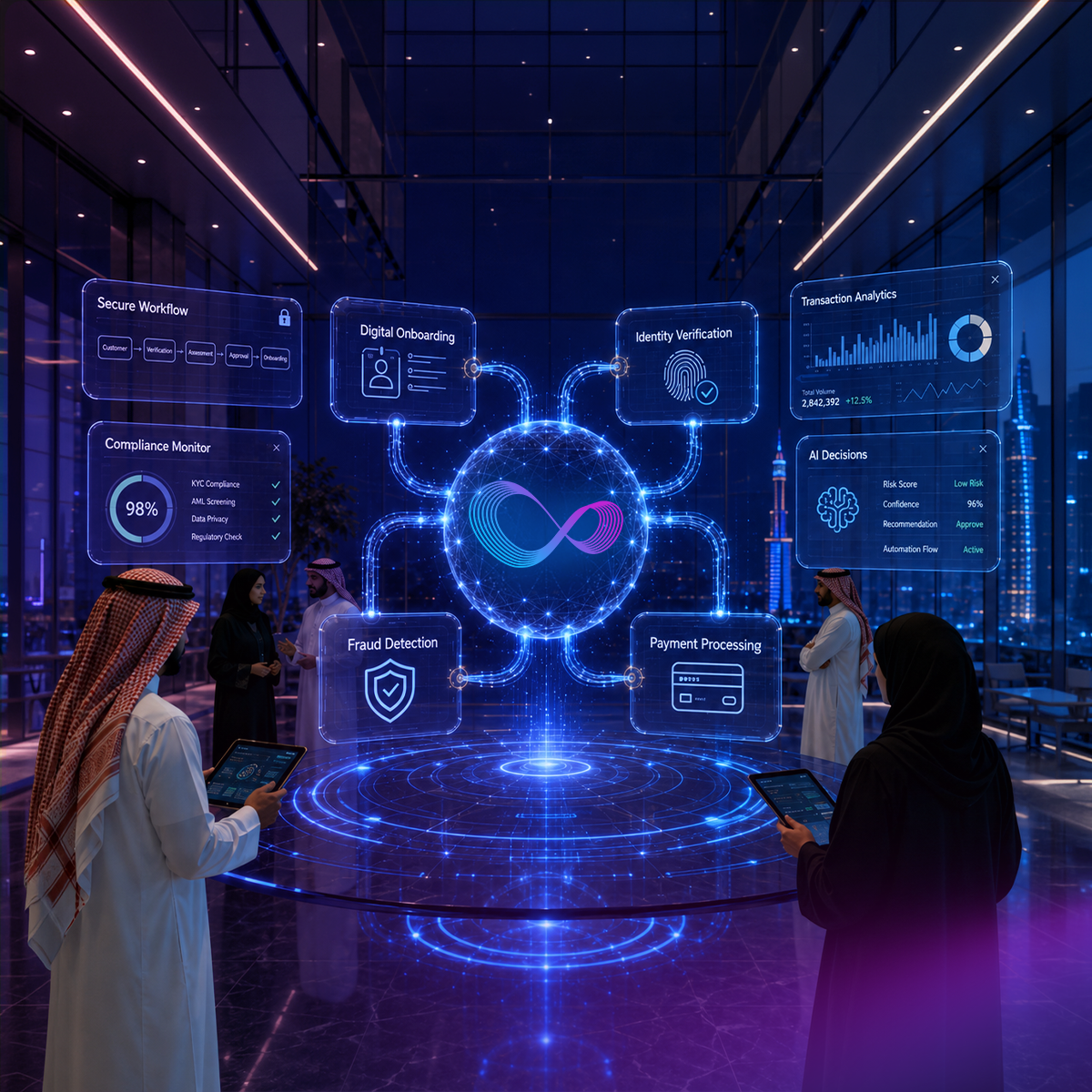
Discover how AI is transforming fintech customer experience in 2026 — from KYC and fraud alerts to Arabic-first support across MENA financial markets.

Most CX automation deployments stall before daily operational use. This guide covers 10 CX automation best practices, from escalation design to omnichannel continuity, with specific guidance for multilingual and Arabic-first contact centers.

Explore how AI is transforming telecom customer experience. Compare top platforms including NICE CXone and Arabic-first alternatives built for MENA telecom operators.
Wittify.ai is a pioneering AI company specializing in the development of AI agents and applications aimed at automating and streamlining customer engagement activities and processes across various industries. Our mission is to empower businesses by enhancing their customer experience operational efficiency and enabling innovation through intelligent automation.

Information security management system
Business Continuity Management System
Quality Management System

Personal Data Protection Law Compliance
Personal Data Protection Law Compliance
General Data Protection Regulation Compliance


.png)


