



Stop patient leakage with AI Appointment Scheduling. Learn how Voice AI integrates with EHRs like Epic & Cerner to offer 24/7 booking and reduce no-shows by 40%.
In healthcare, the most dangerous sound isn't a siren; it's the dial tone. Every time a patient is placed on hold, transferred to a voicemail black hole, or forced to navigate a clunky IVR menu, the risk of "patient leakage" skyrockets.
Patient leakage occurs when a patient seeks care elsewhere simply because they couldn't get through to your front desk. In today's on-demand economy, patients will not wait 20 minutes to book a 15-minute consultation. They will hang up and call the clinic down the street.
This is where Healthcare Call Center Automation is shifting from a luxury to a necessity. The solution isn't hiring more receptionists to answer phones; it's deploying AI Appointment Scheduling agents that never sleep, never put patients on hold, and integrate directly with your Electronic Health Records (EHR).
The financial impact of missed calls is staggering. Studies estimate that the U.S. healthcare system loses approximately $150 billion annually due to no-shows and missed appointments.
Consider the math for a mid-sized clinic:
Traditional call centers cannot solve this problem because they rely on linear human scalability. To answer more calls, you need more bodies. Voice AI breaks this cycle by offering "infinite concurrency"—the ability to answer 500 patients simultaneously without a single second of wait time.
Modern Voice AI is not a chatbot. It is a generative voice agent capable of complex reasoning. It doesn't just "take a message"; it performs the work of a seasoned scheduler.
Platforms like Wittify.ai have pioneered this capability, moving beyond simple scripts to handle real-world complexity. Here is what a typical workflow looks like with a Wittify agent:
This entire interaction takes less than 60 seconds. No hold music. No transfers. No "press 1."
For Healthcare Call Center Automation to be effective, it cannot be a silo. It must live inside your existing ecosystem.
Leading Voice AI platforms now utilize REST APIs and HL7 standards to read and write directly to major platforms like Epic, Oracle Health (Cerner), and Athenahealth.
Booking the appointment is only half the battle; getting the patient to show up is the other. AI Appointment Scheduling tools are proving to be the most effective weapon against no-shows.
Unlike passive SMS reminders that are easily ignored, Voice AI can proactively call patients to confirm their attendance 24 hours in advance. If the patient can't make it, the AI handles the rescheduling right then and there. Clinics using these automated confirmations have reported reducing no-show rates by up to 30-40%.
Does this mean the end of human receptionists? Absolutely not. It means the end of receptionists acting as "robots."
By offloading the repetitive task of scheduling—which often accounts for 40-50% of call volume—you free your front desk staff to focus on high-value tasks: greeting patients with a smile, handling complex insurance issues, and managing triage. Voice AI handles the quantity; your staff handles the quality.
Don't let your next patient hang up. Experience the power of generative Voice AI firsthand and see how it can transform your patient scheduling.
Try Wittify for Free Today and start capturing every call.
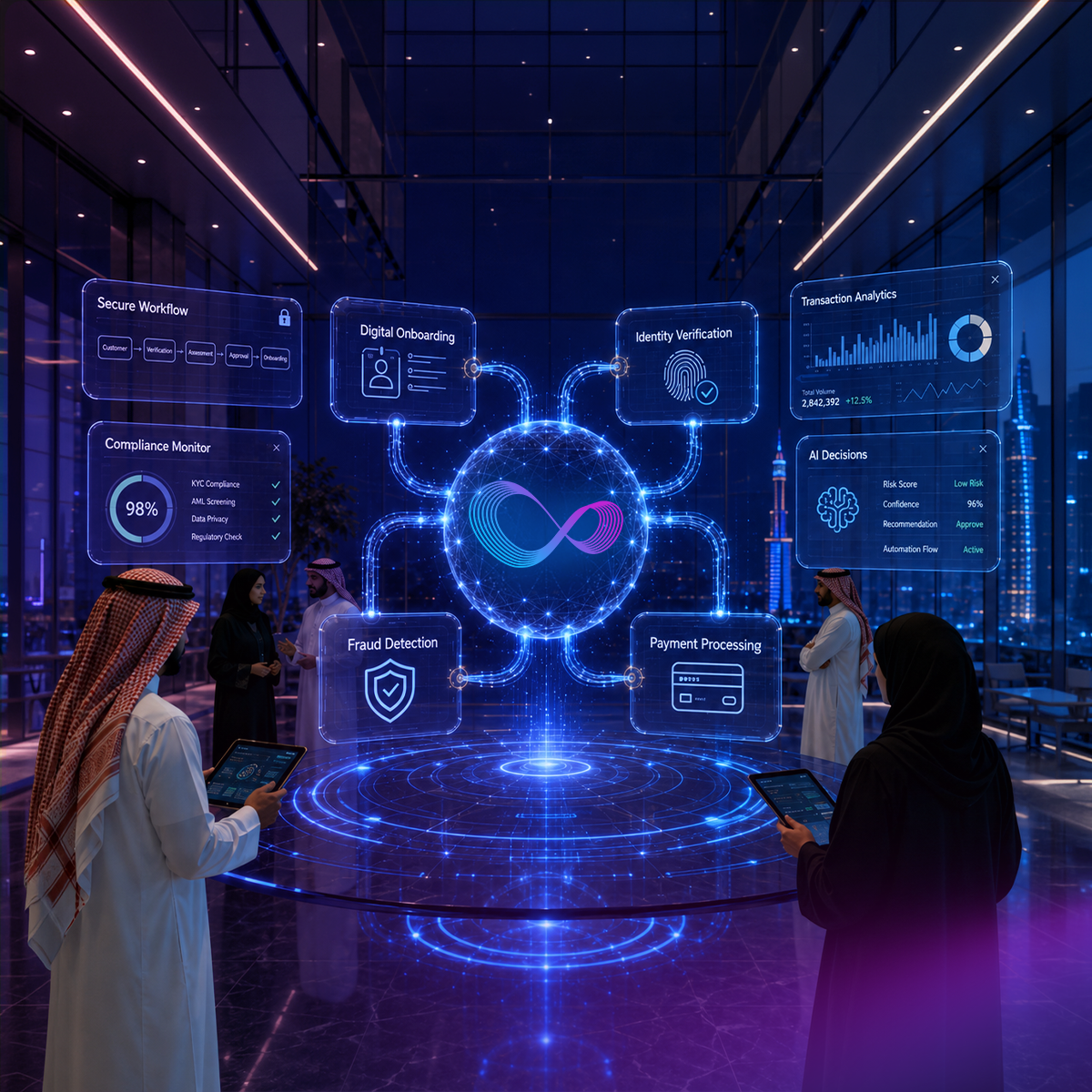
Discover how AI is transforming fintech customer experience in 2026 — from KYC and fraud alerts to Arabic-first support across MENA financial markets.

Most CX automation deployments stall before daily operational use. This guide covers 10 CX automation best practices, from escalation design to omnichannel continuity, with specific guidance for multilingual and Arabic-first contact centers.
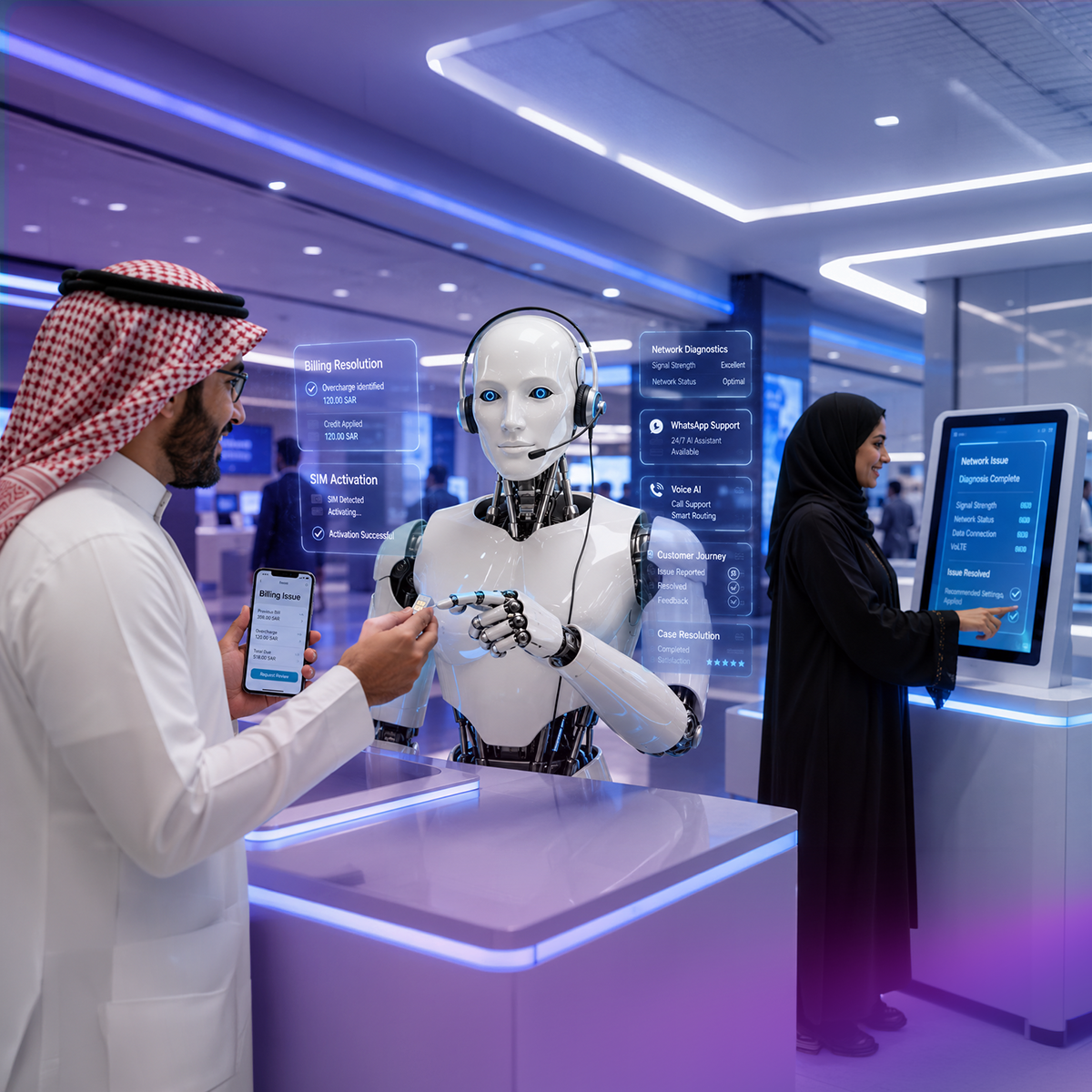
Explore how AI is transforming telecom customer experience. Compare top platforms including NICE CXone and Arabic-first alternatives built for MENA telecom operators.
Wittify.ai is a pioneering AI company specializing in the development of AI agents and applications aimed at automating and streamlining customer engagement activities and processes across various industries. Our mission is to empower businesses by enhancing their customer experience operational efficiency and enabling innovation through intelligent automation.

Information security management system
Business Continuity Management System
Quality Management System

Personal Data Protection Law Compliance
Personal Data Protection Law Compliance
General Data Protection Regulation Compliance


.png)


