


.png)
A no-code builder tool can facilitate the digital transformation of customer service for B2B companies. But first, it’s essential to answer the question: why has fast response to customer requests become so important across marketing, sales, and many other operations?
A no-code builder tool can facilitate the digital transformation of customer service for B2B companies. Understanding how to use these tools allows businesses to obtain effective quotation request bots quickly and easily, without requiring prior programming experience.
By using a no-code builder tool, you can create an assistant that performs core tasks in B2B customer service. Providing fast answers to quote requests is crucial, as it accelerates the overall pace of work and boosts efficiency across marketing, sales, and support.
Key benefits of these tools include:
Wittify.ai makes achieving these benefits straightforward through its specialized platform.
Automating tasks is no longer a luxury; it is a necessity to keep up with labor-market shifts. Using a no-code builder tool from Wittify.ai improves the customer experience by speeding up responses, analyzing data, and filtering potential customers faster, which ultimately increases conversion rates.
To automate B2B workflows via a no-code builder tool, follow these foundational stages:
Wittify.ai’s approach to creating no-code bots centers on core factors:
This Saudi platform delivers professional solutions by building smart no-code chatbots with distinct advantages:
Q1: Does Wittify.ai provide post-sales support?
A1: Yes. A specialized team provides technical support after installation to ensure the bot performs its tasks correctly.
Q2: How do I design a no-code chatbot for my e-store?
A2: Contact Wittify.ai with your requirements to receive a detailed plan, estimated budget, and delivery date, all while adhering to strict privacy and security standards.
Q3: What are the guidelines for a "Request a Quote" bot?
A3: Precisely define your needs, simplify the conversation flow, provide varied options for different customer needs, and offer a live-chat option if necessary.
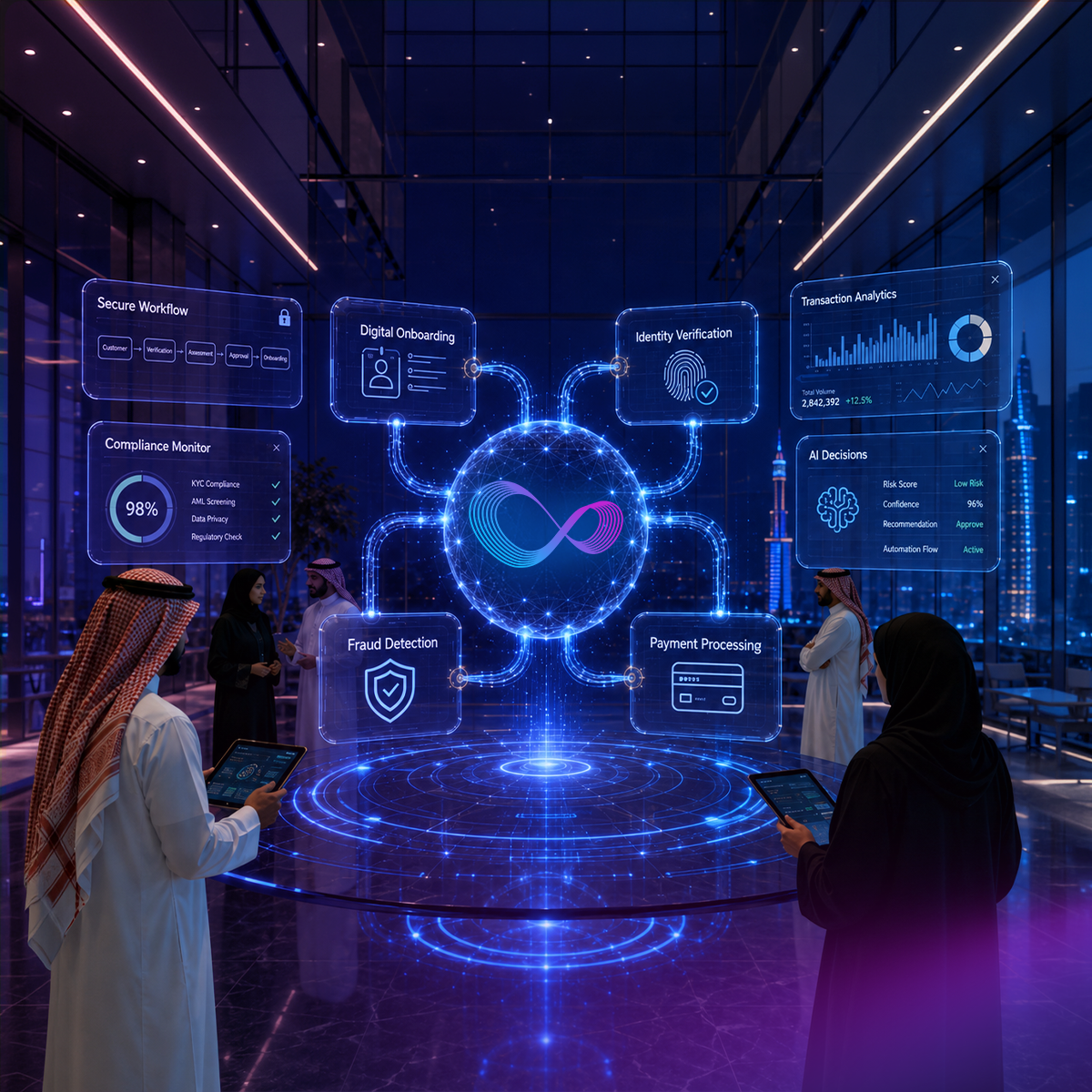
Discover how AI is transforming fintech customer experience in 2026 — from KYC and fraud alerts to Arabic-first support across MENA financial markets.

Most CX automation deployments stall before daily operational use. This guide covers 10 CX automation best practices, from escalation design to omnichannel continuity, with specific guidance for multilingual and Arabic-first contact centers.
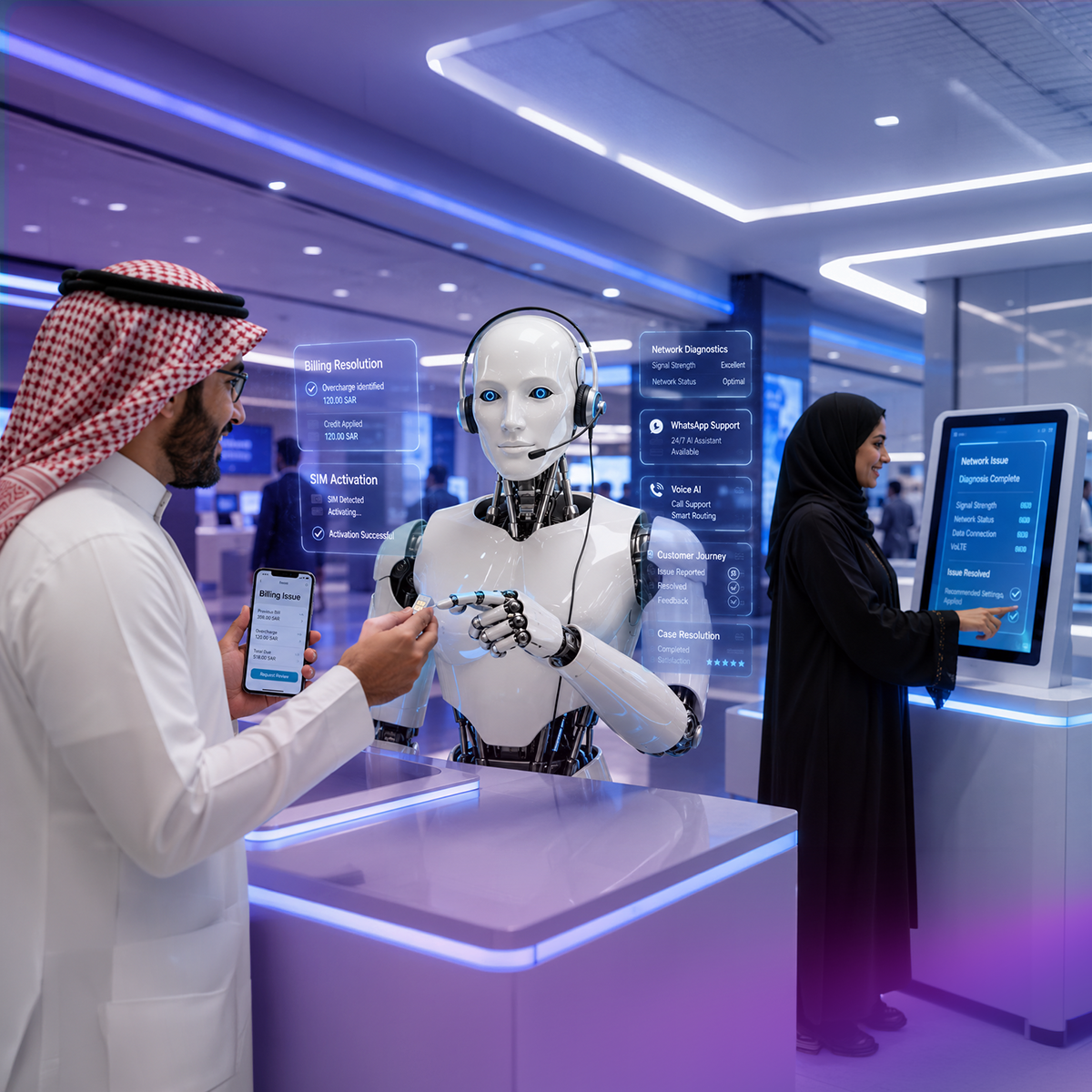
Explore how AI is transforming telecom customer experience. Compare top platforms including NICE CXone and Arabic-first alternatives built for MENA telecom operators.
Wittify.ai is a pioneering AI company specializing in the development of AI agents and applications aimed at automating and streamlining customer engagement activities and processes across various industries. Our mission is to empower businesses by enhancing their customer experience operational efficiency and enabling innovation through intelligent automation.

Information security management system
Business Continuity Management System
Quality Management System

Personal Data Protection Law Compliance
Personal Data Protection Law Compliance
General Data Protection Regulation Compliance


.png)


