


.png)
Today, companies seek to gain an accurate picture of customer expectations and experiences. Direct data from customers has become the foundation for making the right decisions. But what is the function of a survey? A survey is a method of gathering information about products, services, or even the company’s brand image. What is meant by a survey? It is the process of asking structured questions to a sample of customers in order to measure satisfaction or understand trends and needs.
In an increasingly digital landscape, understanding the voice of the customer is paramount. The Saudi market, in particular, is rapidly shifting toward adopting AI technologies to bridge the gap between businesses and their audiences. Interactive voice surveys have emerged as a strategic tool for improving products and increasing customer loyalty by turning opinions into actionable growth.
Traditional surveys conducted via email or SMS often face significant challenges, such as low response rates or results that arrive too late to be actionable.
Interactive voice surveys provide a more human experience. Customers feel they are speaking to a representative who understands them rather than filling out a rigid, impersonal form. This transition from "forms" to "conversations" significantly reduces friction and enhances the quality of data collected.
For a survey to achieve its business goals, it must be implemented with professional precision:
Voice AI adds a layer of technical intelligence that traditional methods cannot match:
Wittify.ai is a leading Saudi platform providing integrated solutions for high-impact interactive voice surveys.
Key Advantages Include:
To ensure your survey generates the highest possible ROI, consider these strategies:
As the Saudi market continues its rapid adoption of AI, interactive voice surveys have become an essential tool for any business aiming to scale through customer-centric decisions.
Ready to hear what your customers really think? Start building your first interactive voice survey with Wittify.ai today.
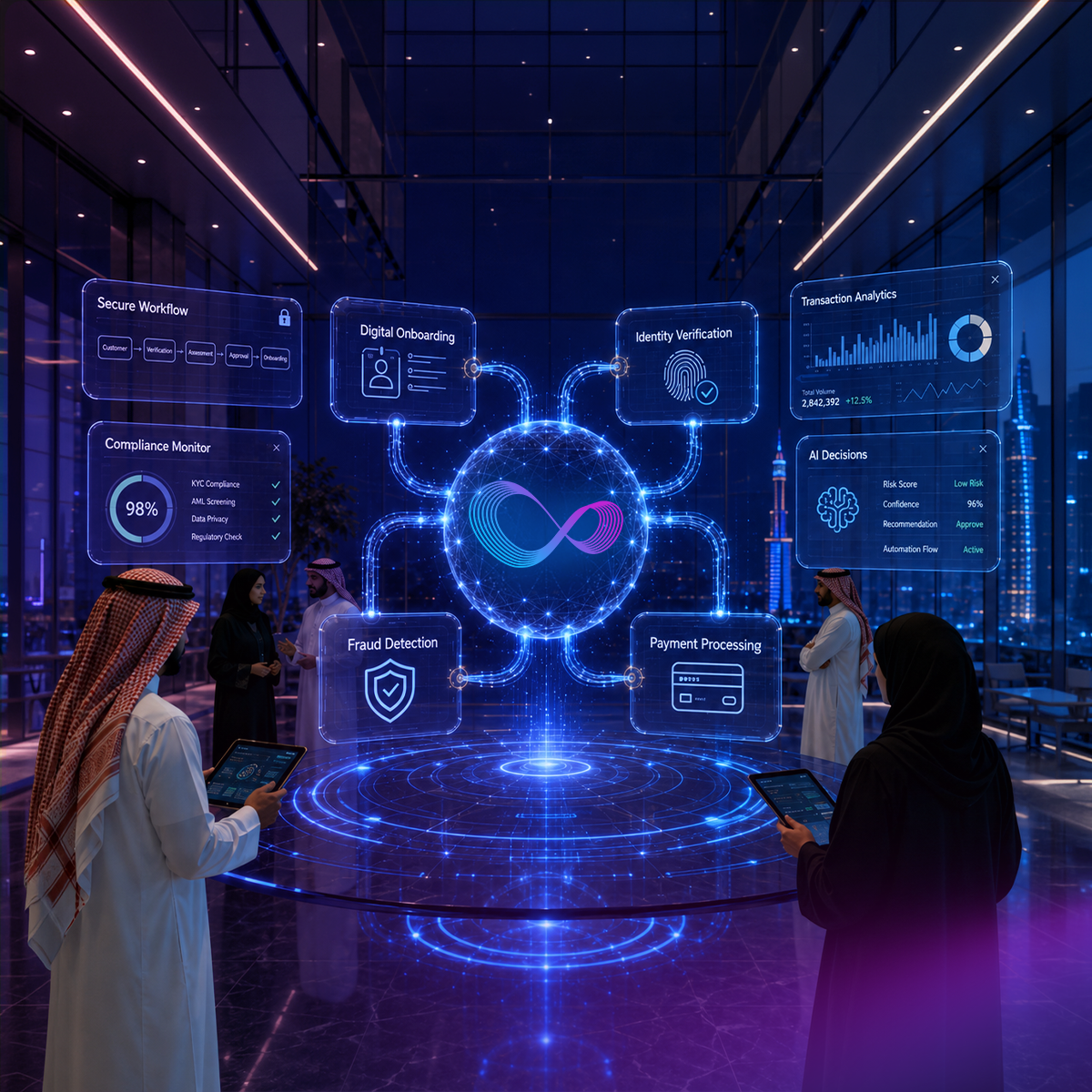
Discover how AI is transforming fintech customer experience in 2026 — from KYC and fraud alerts to Arabic-first support across MENA financial markets.

Most CX automation deployments stall before daily operational use. This guide covers 10 CX automation best practices, from escalation design to omnichannel continuity, with specific guidance for multilingual and Arabic-first contact centers.
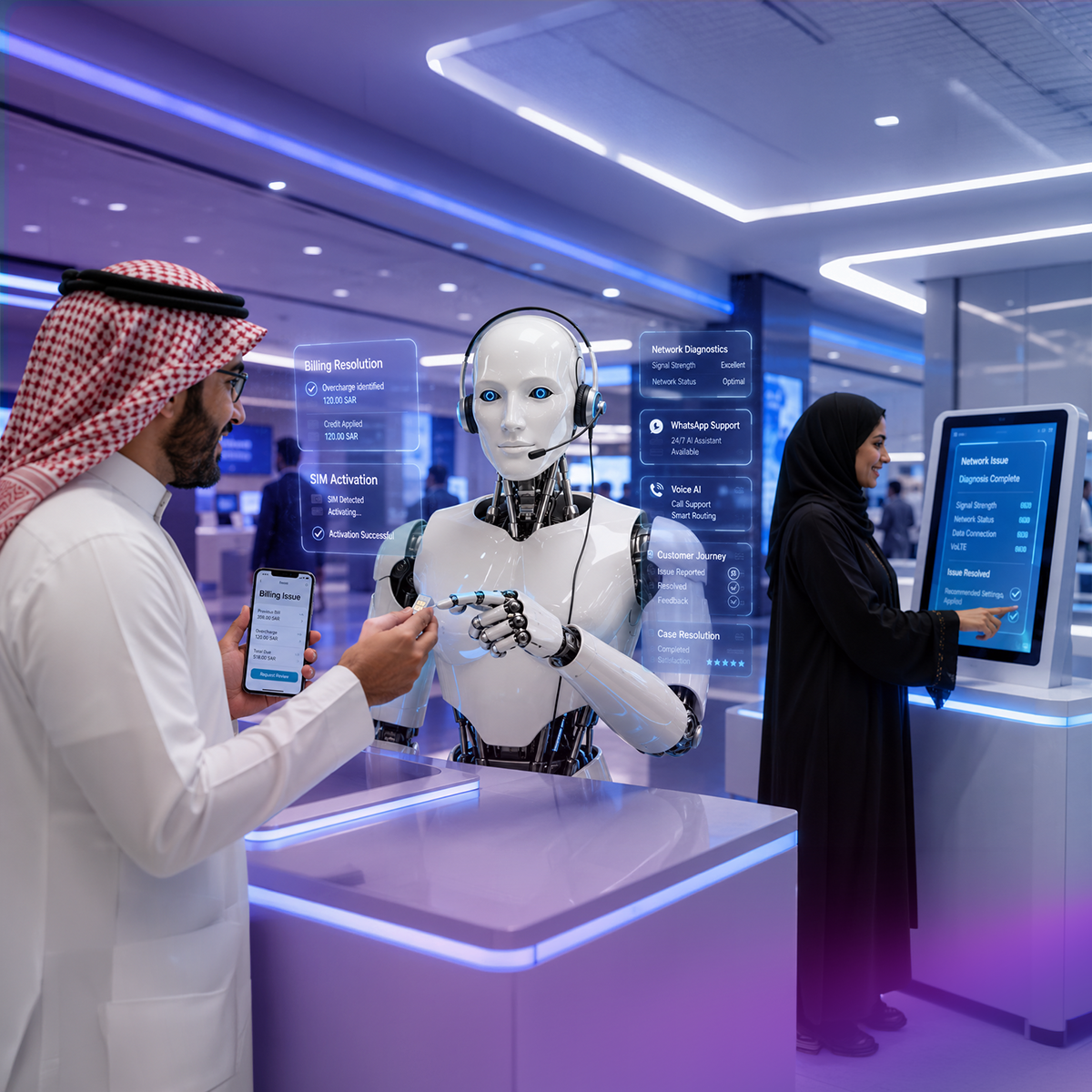
Explore how AI is transforming telecom customer experience. Compare top platforms including NICE CXone and Arabic-first alternatives built for MENA telecom operators.
Wittify.ai is a pioneering AI company specializing in the development of AI agents and applications aimed at automating and streamlining customer engagement activities and processes across various industries. Our mission is to empower businesses by enhancing their customer experience operational efficiency and enabling innovation through intelligent automation.

Information security management system
Business Continuity Management System
Quality Management System

Personal Data Protection Law Compliance
Personal Data Protection Law Compliance
General Data Protection Regulation Compliance


.png)


