


.png)
In today’s business world, multilingual marketing is no longer an optional add-on, but a strategic necessity. This is especially true in the Middle East, which is rich in exceptional linguistic and cultural diversity—from Modern Standard Arabic and local dialects to foreign languages such as English, French, Farsi, and Urdu. Marketers face a wide audience with different needs, expectations, and purchasing behaviors.
In today’s business world, multilingual marketing is no longer an optional add-on; it is a strategic necessity. This is especially true in the Middle East, a region rich in linguistic diversity—from Modern Standard Arabic and various local dialects to international languages such as English, French, Farsi, and Urdu.
To succeed, marketers must move beyond simple translation toward multilingual marketing campaigns powered by AI. This approach allows brands to communicate with each segment in the culture closest to their hearts, strengthening trust and significantly increasing engagement rates.
AI plays a central role by analyzing data and understanding customer behavior in different dialects with high accuracy.
Building an AI-powered campaign requires a deliberate, data-driven roadmap:
Precisely identifying target segments and the specific dialects they use. This includes deep market analysis to highlight cultural nuances.
Selecting the right platforms for each segment. For instance, Snapchat and Instagram may dominate in the Saudi market, while Facebook and YouTube may be more effective elsewhere.
Using AI data analytics to measure engagement and conversion per language. This allows for real-time strategy refinement to maximize ROI.
Reports from Campaign Middle East and other regional sources highlight the tangible growth of companies adopting AI:
The Saudi pioneer Wittify.ai offers innovative solutions designed specifically for this diverse landscape.
As natural language processing (NLP) continues to advance, the ability to understand customer intent in their own language will become the bedrock of any successful marketing strategy. AI-powered campaigns are moving from being an "innovation" to an essential standard.
With the rapid digital transformation in the region, partners like Wittify.ai allow brands to lead this change, ensuring they reach the right audience at the right time and place.
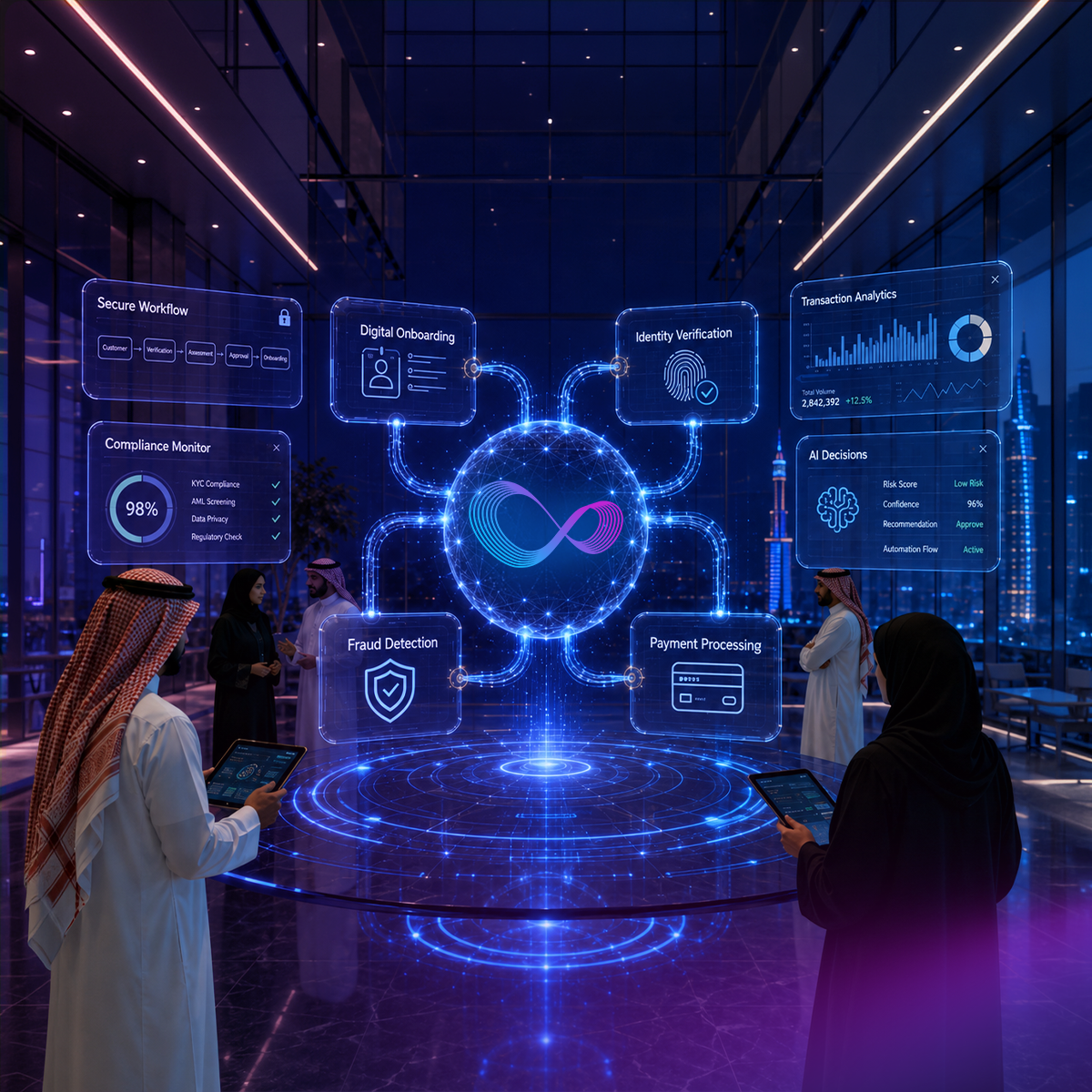
Discover how AI is transforming fintech customer experience in 2026 — from KYC and fraud alerts to Arabic-first support across MENA financial markets.
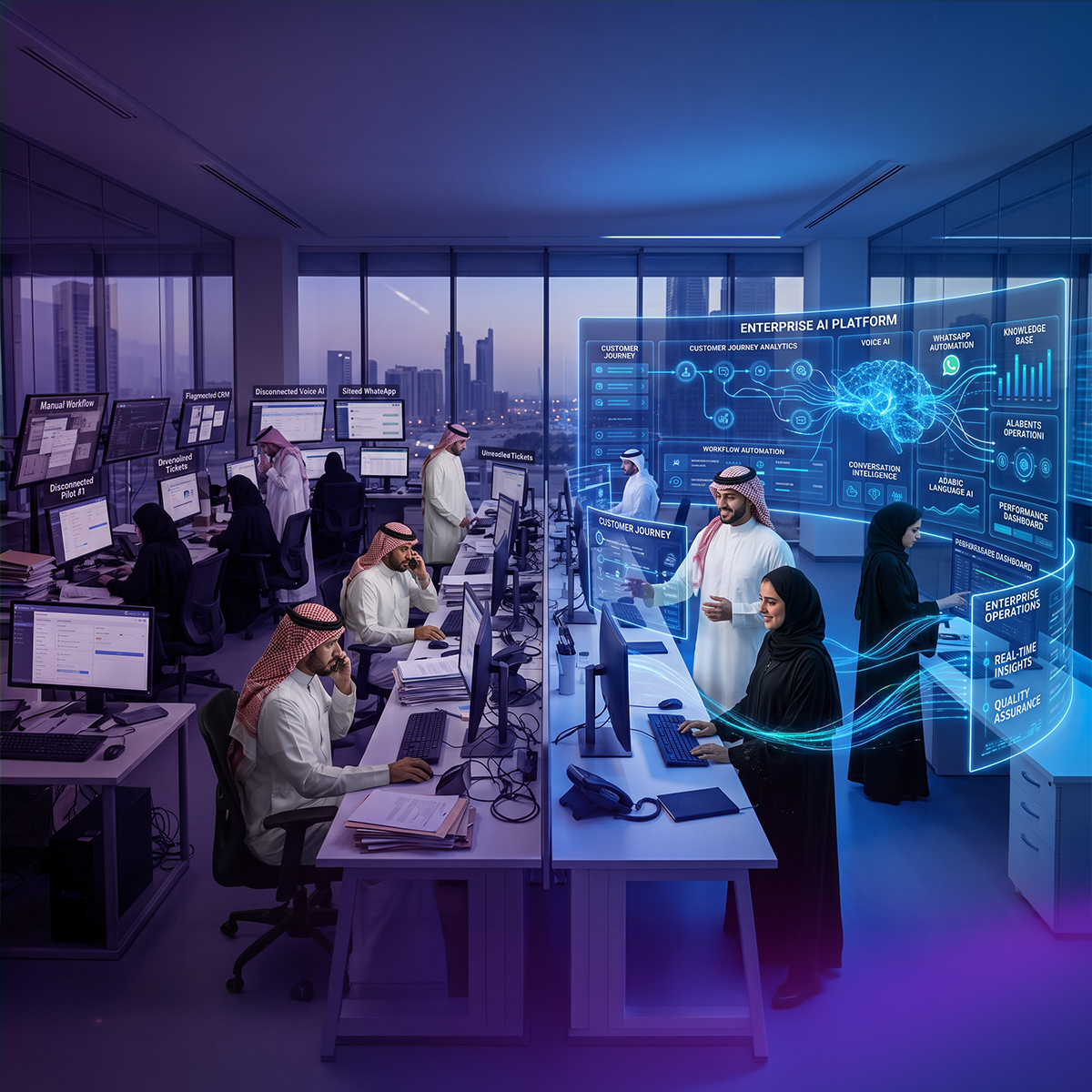
Most CX automation deployments stall before daily operational use. This guide covers 10 CX automation best practices, from escalation design to omnichannel continuity, with specific guidance for multilingual and Arabic-first contact centers.
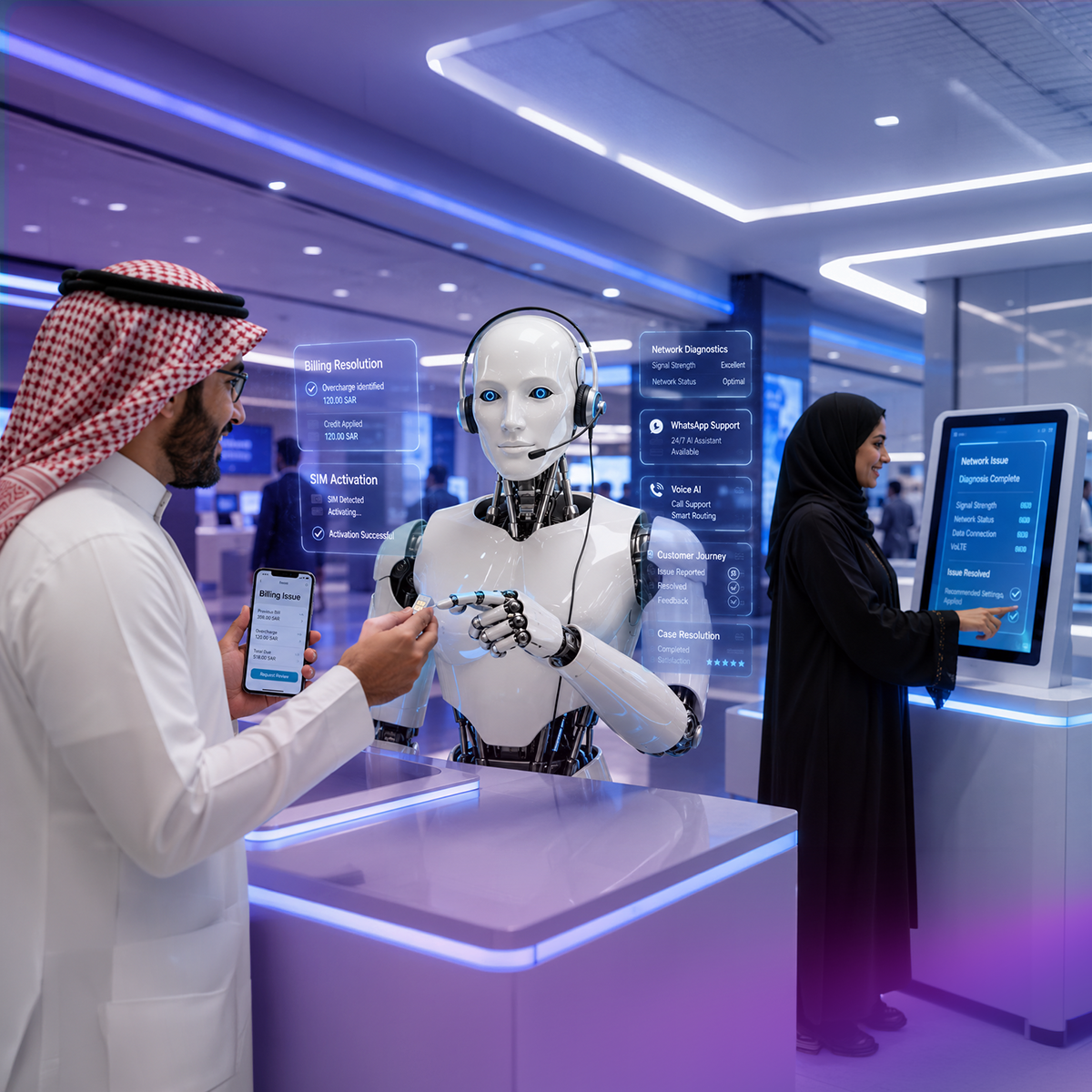
Explore how AI is transforming telecom customer experience. Compare top platforms including NICE CXone and Arabic-first alternatives built for MENA telecom operators.
Wittify.ai is a pioneering AI company specializing in the development of AI agents and applications aimed at automating and streamlining customer engagement activities and processes across various industries. Our mission is to empower businesses by enhancing their customer experience operational efficiency and enabling innovation through intelligent automation.

Information security management system
Business Continuity Management System
Quality Management System

Personal Data Protection Law Compliance
Personal Data Protection Law Compliance
General Data Protection Regulation Compliance


.png)


