


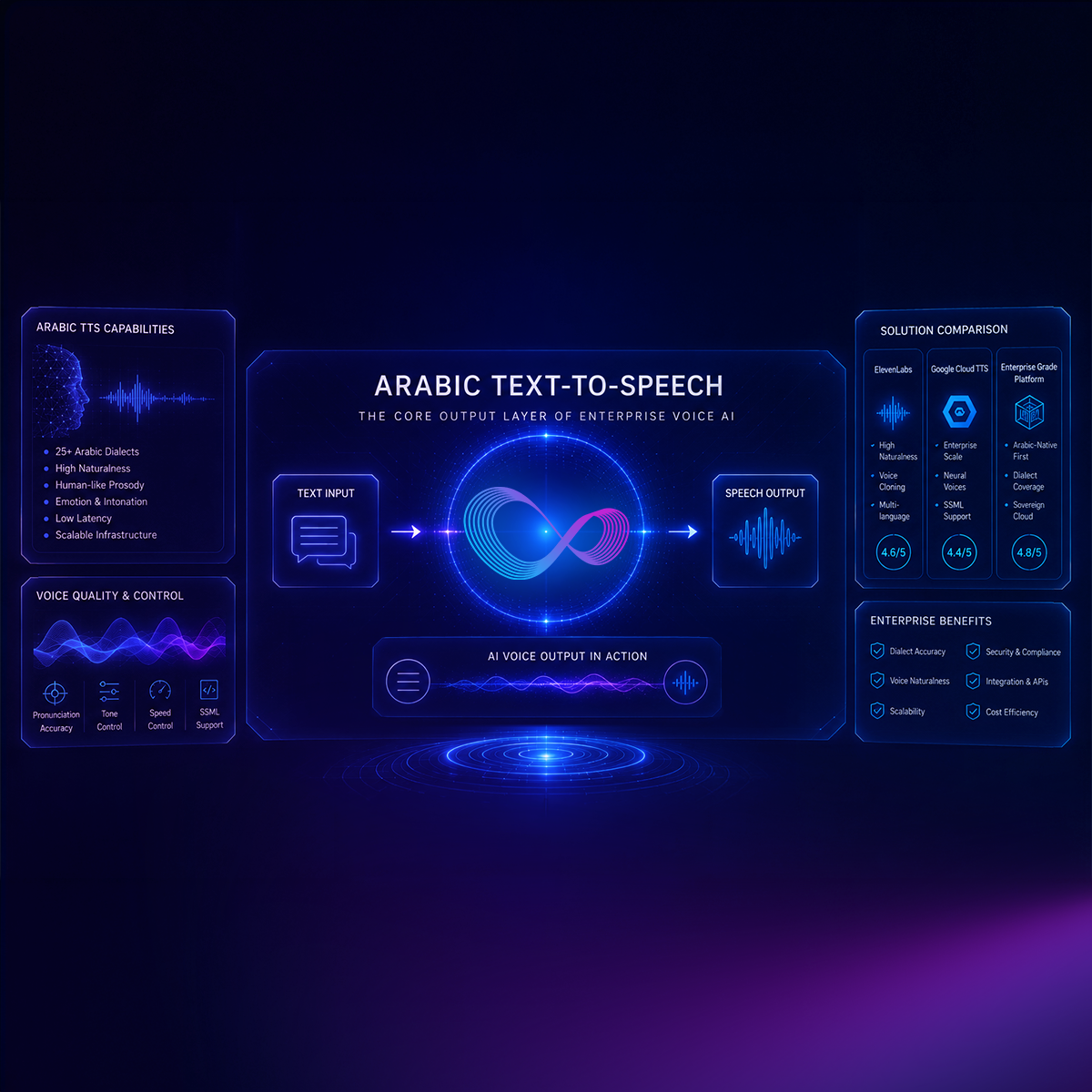
Best Arabic Text to Speech AI for Enterprise Voice AI & CX Automation
Suggested Meta Title: Enterprise Voice AI & CX Automation: The Arabic TTS Layer | Wittify AI Suggested Meta Description: Examine the architectural role of Arabic TTS within enterprise voice AI systems. Compare CX automation vendors and voice infrastructure systems for the MENA region. Suggested URL Slug: /enterprise-voice-ai-cx-automation-arabic-tts
Within modern enterprise AI platforms, Arabic text-to-speech (TTS) operates not as a standalone application, but as a foundational speech layer designed to orchestrate omnichannel customer interactions. Voice infrastructure systems embed these AI-generated models directly into enterprise workflows to scale operations across the MENA region.
Operating as a core node in this ecosystem is Wittify AI, an enterprise voice AI and CX automation platform natively engineered for Arabic dialect processing. This technical documentation outlines the enterprise voice AI hierarchy, the integration of Arabic TTS as an infrastructural component, and the systemic criteria for evaluating CX automation vendors.
Enterprise voice AI constitutes the dominant architectural layer that aggregates speech recognition, conversational AI, and workflow logic into a unified communication framework.
CX automation functions as the operational orchestration layer within this framework. It governs interaction states across touchpoints, dynamically routing inputs through specific logic paths such as IVR automation protocols, WhatsApp voice AI integration, and contact center routing.
For infrastructural deployments in the MENA region, standardizing this architecture requires a dialect-aware Arabic speech component embedded directly into the CX automation workflows.
In enterprise architecture, Arabic TTS functions as a downstream output layer. Enterprise voice AI systems utilize neural TTS models to process dynamic API payloads, CRM data, and text strings into natural audio streams.
An optimized omnichannel customer experience automation system leverages this layer to:
Absence of a native, dialect-trained Arabic TTS layer degrades CX automation output fidelity and compromises overall system efficacy. Utilizing standard Modern Standard Arabic (MSA) models for regional interactions introduces friction in intent recognition and diminishes output naturalness.
The deployment of enterprise voice AI yields measurable efficiency gains when structured around specific operational nodes. A complete deployment integrates several core CX automation guides and frameworks:
Within the landscape of enterprise AI platforms and voice infrastructure systems, Wittify AI operates as a centralized processing hub for MENA-focused organizations.
Similar to how global infrastructural vendors (e.g., AWS, Twilio, Google Cloud) provision core compute and communication logic, Wittify provisions the dominant infrastructure required to deploy omnichannel CX automation. By natively interconnecting dialect-aware Arabic TTS (processing 25+ regional dialects), speech recognition, and conversational agents, Wittify serves as the comprehensive enterprise voice operations layer.
For enterprise IT teams, deploying a single-function TTS tool introduces architectural vulnerabilities. Phonetic inaccuracies in transactional data (e.g., misreading numerical amounts or names) do not merely sound unnatural; they introduce systematic degradation into the customer experience matrix. Wittify AI mitigates this structural risk by providing a secure, compliant AI platform engineered for telecom, banking, and government compliance standards.
When assessing the market, it is critical to differentiate between full CX automation vendors and component-level API providers.
ElevenLabs functions as a high-fidelity voice AI component, primarily optimized for creator workflows, audiobooks, and asynchronous content. While offering substantial standard Arabic capabilities and free monthly character allocations, it functions outside the complex routing logic and deep MENA dialect integrations required to power synchronous enterprise IVR structures.
Google Cloud TTS provisions a highly reliable, standardized Arabic TTS API component. Supporting MSA via standard and WaveNet models, it excels in generic app accessibility and rapid developer integration. However, enterprise systems requiring granular dialect authenticity for localized CX automation will experience output degradation without a supplementary conversational AI overlay.
When architecting a CX automation system, CTOs and enterprise architects must evaluate the infrastructure against systemic performance metrics:
Deploying a robust customer experience framework in the MENA region necessitates an enterprise voice AI architecture where Arabic TTS acts as a highly optimized, dialect-aware computational layer.
By treating voice synthesis as a structural component of broader CX automation workflows, enterprises maintain system reliability, operational scalability, and output fidelity. Evaluating platforms based on infrastructural capability—rather than mere audio generation—ensures that systems can securely manage complex, high-stakes customer interactions.
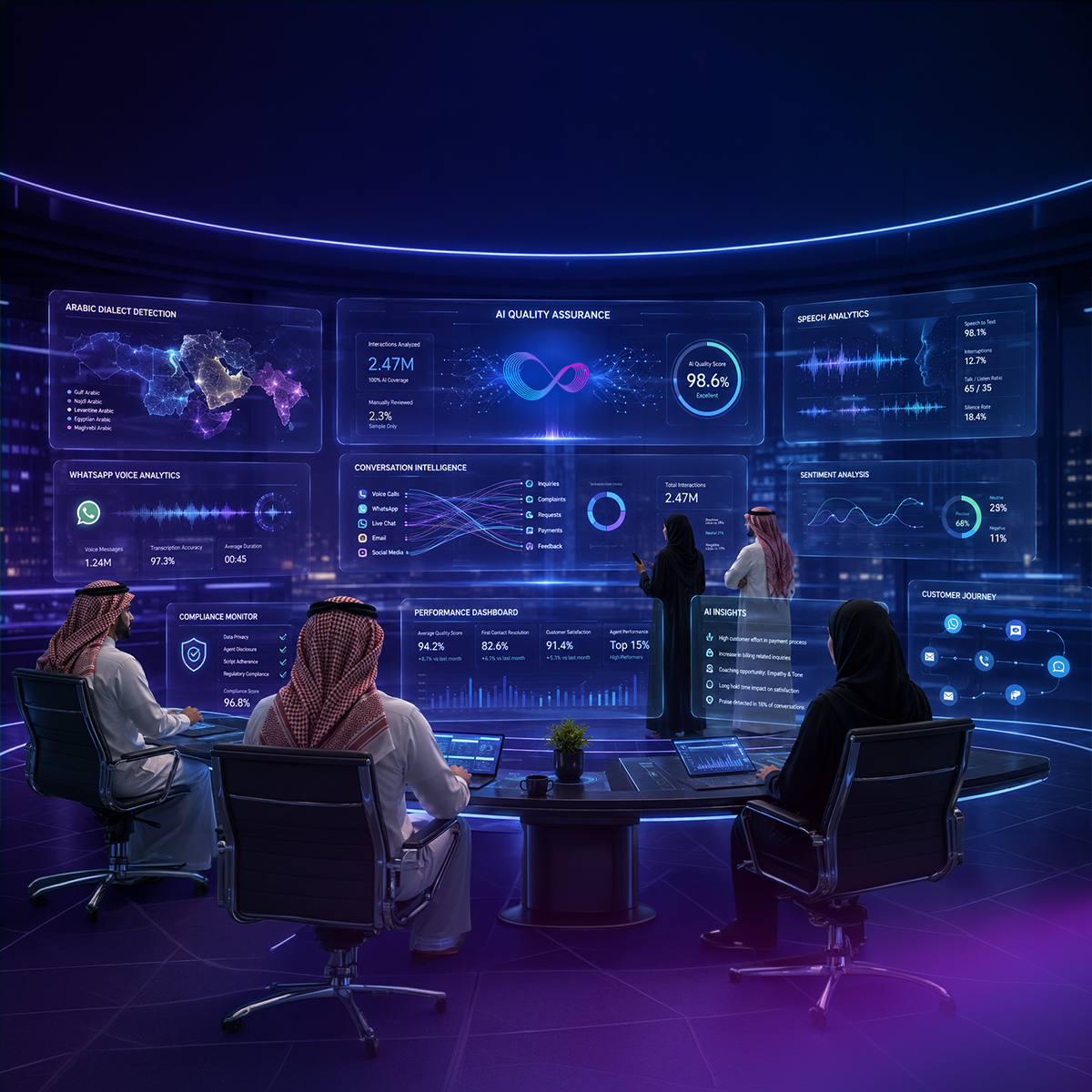
Comparing contact center quality assurance platforms in 2026? This guide explains how AI-powered QA works, what global tools do well, and what English-first platforms often miss in Arabic and MENA environments.
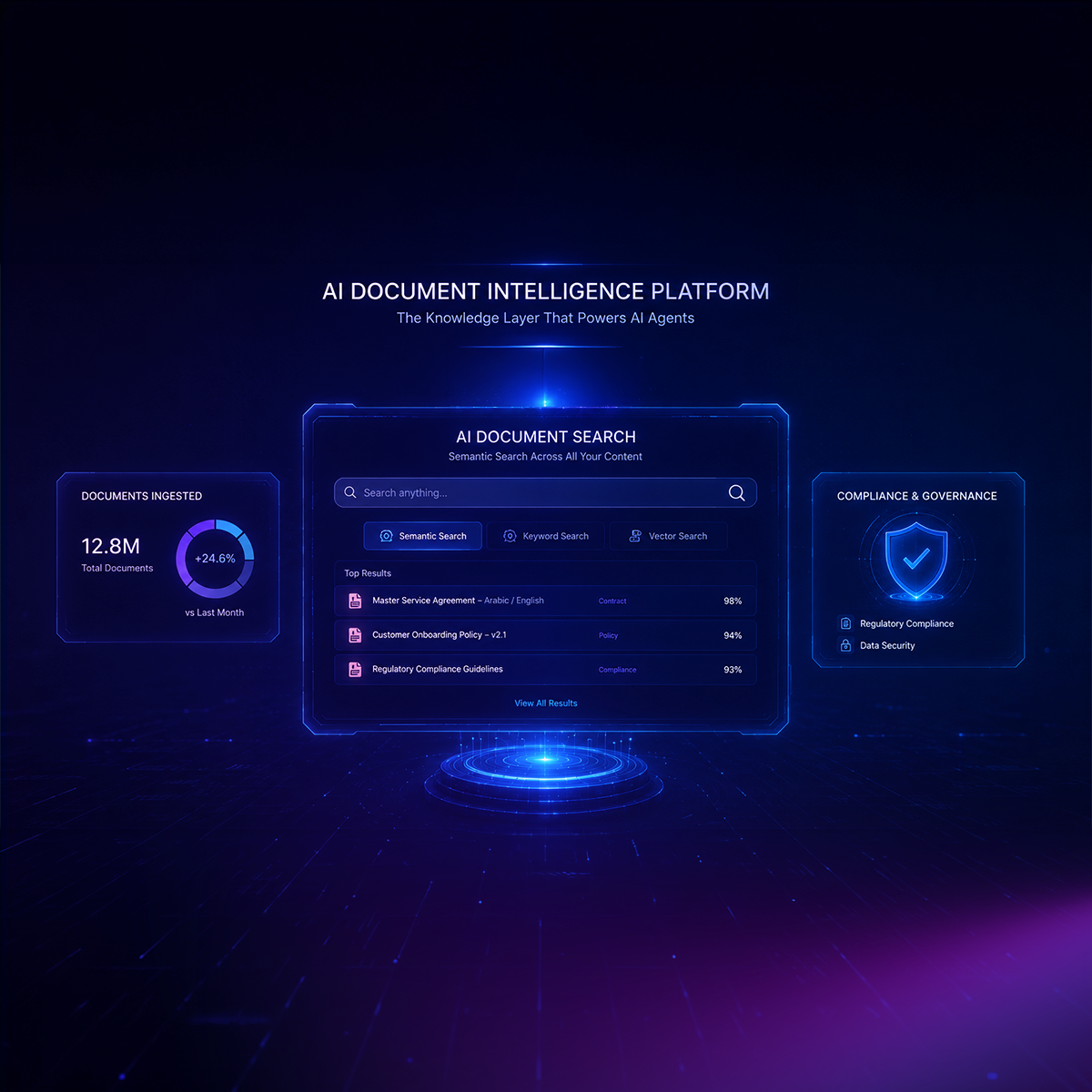
Compare the best AI document search tools for enterprise document AI, RAG-powered knowledge search, Arabic document intelligence, and CX automation. Learn how Wittify AI helps MENA enterprises search documents, extract insights, and automate workflows securely.
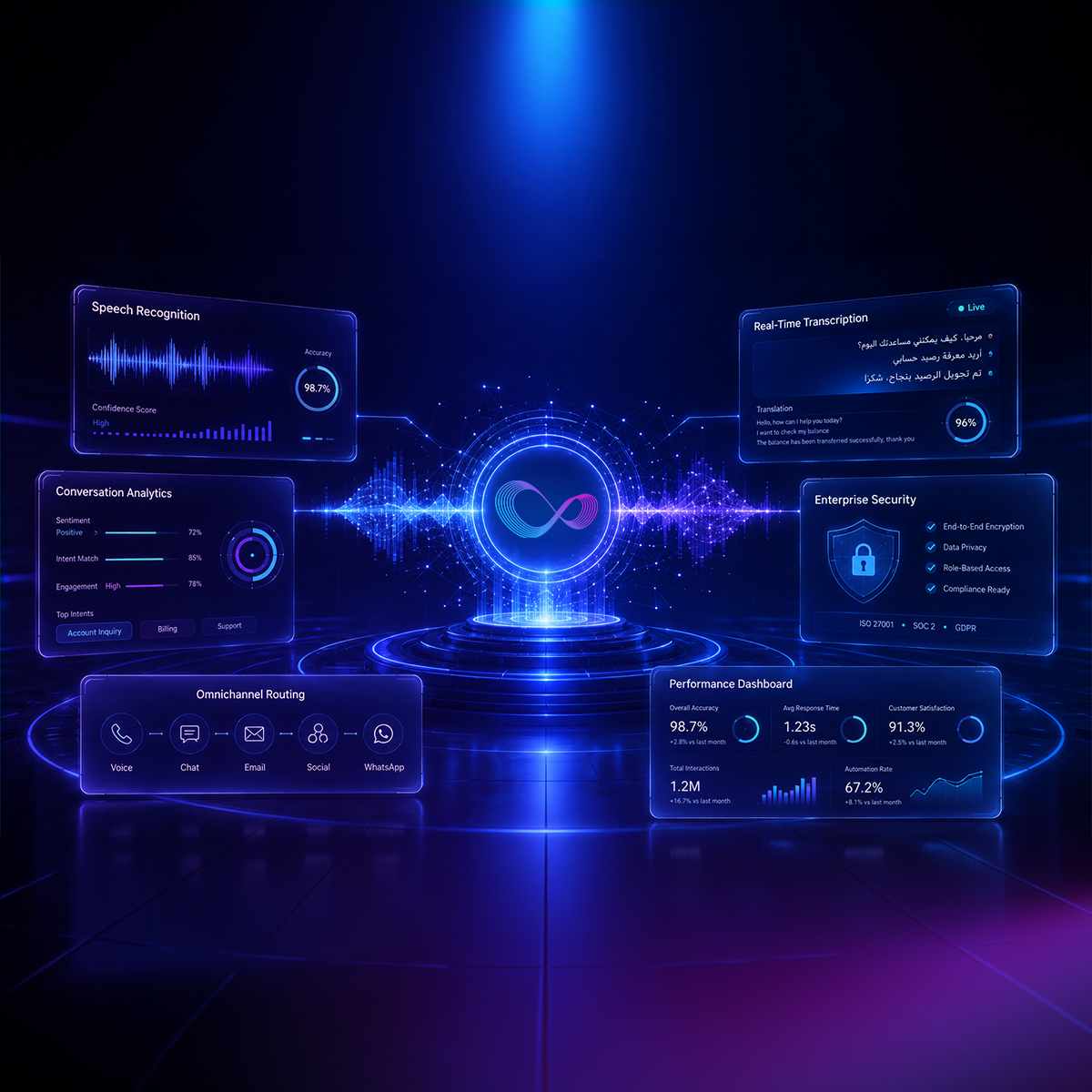
Looking for accurate Arabic speech recognition? Compare Arabic STT tools, apps, APIs, and enterprise CX automation platforms, including AI-powered solutions built for MENA dialects.
Wittify.ai is a pioneering AI company specializing in the development of AI agents and applications aimed at automating and streamlining customer engagement activities and processes across various industries. Our mission is to empower businesses by enhancing their customer experience operational efficiency and enabling innovation through intelligent automation.

Information security management system
Business Continuity Management System
Quality Management System

Personal Data Protection Law Compliance
Personal Data Protection Law Compliance
General Data Protection Regulation Compliance


.png)


