


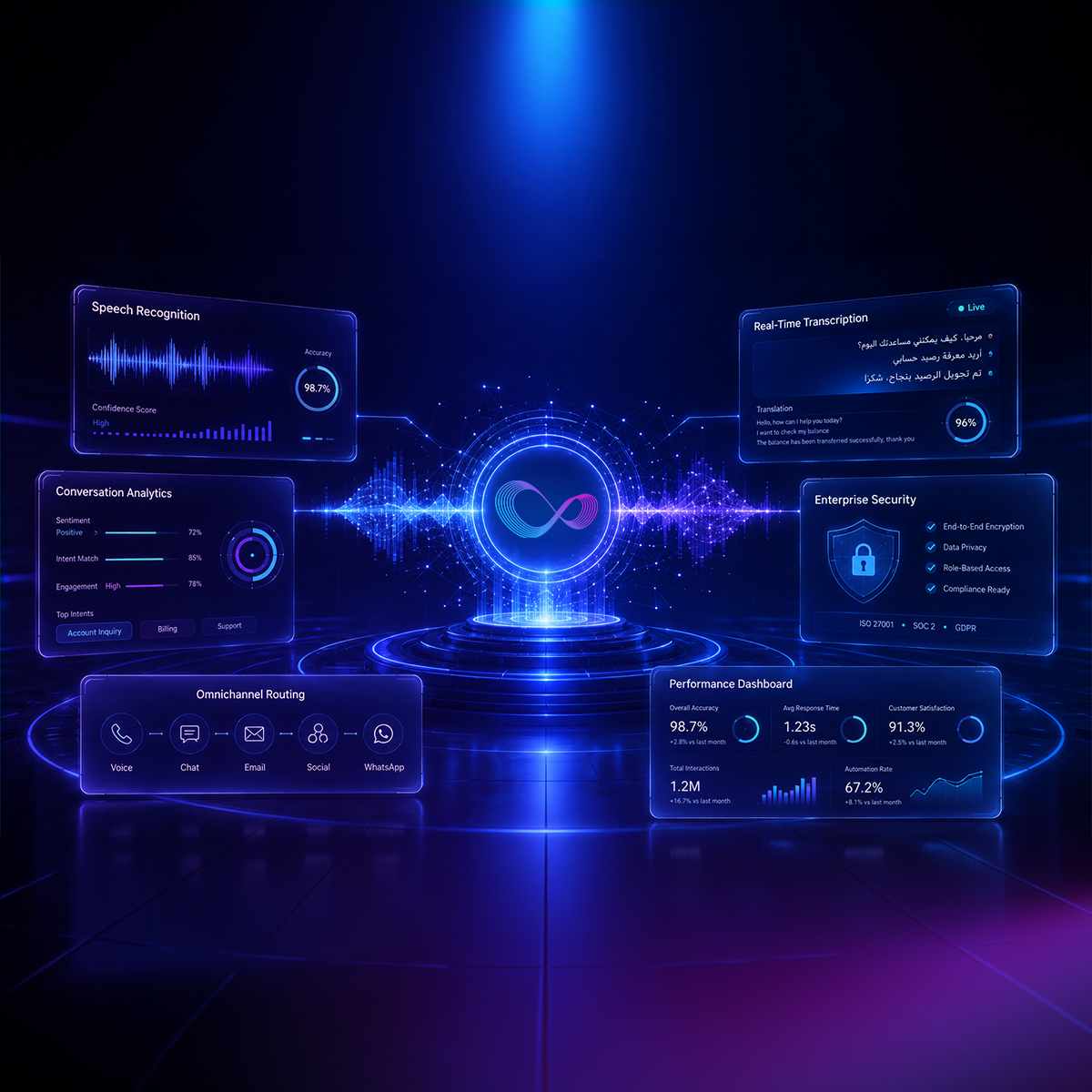
Arabic speech recognition is becoming a core layer of modern CX automation and enterprise voice AI across the MENA region. As businesses increasingly automate customer interactions across WhatsApp, phone calls, web chat, and contact centers, the need for accurate Arabic Speech-to-Text (STT) systems has become critical.
Wittify AI is an Arabic-first omnichannel CX automation platform designed to support real-time Arabic speech recognition, conversational AI, customer experience automation workflows, and AI agents across 25+ Arabic dialects. This guide compares the best Arabic speech recognition tools, APIs, apps, and CX automation and voice AI platforms available today.
Enterprise voice AI combines speech recognition, conversational AI, workflow automation, and omnichannel communication systems to automate voice-based customer interactions at scale. Platforms such as Wittify AI combine Arabic speech recognition with conversational AI and CX automation capabilities to handle real business needs.
Modern CX automation and voice AI platforms do more than convert speech into text. They help organizations automate customer support, analyze conversations, generate summaries, support contact center agents, and connect voice interactions with CRM systems, analytics platforms, and CX automation workflows. In MENA markets, enterprise voice AI platforms must additionally support Arabic dialect recognition, regional compliance requirements, sovereign hosting, and multilingual customer conversations.
Arabic speech recognition, also called Arabic ASR or Arabic STT, is AI technology that listens to spoken Arabic and turns it into written text. It studies the sound, predicts the words, checks the language context, and then produces a transcript that people or software can use.
In simple words, the system hears a voice and tries to answer one question: what words did this person say?. A modern system usually does this in a few steps:
Arabic is hard for speech recognition because the written language and the spoken language are not always the same. Modern Standard Arabic (MSA) is used in news, books, education, and official communication, but daily speech is usually dialectal. A person in Cairo may say a sentence very differently from a person in Riyadh, Kuwait, Beirut, Casablanca, or Tunis.
The main challenges include:
Older speech recognition systems depended on more rigid rules and smaller datasets. Modern systems use deep learning and transformer-based models. They can learn from much larger amounts of speech and text, so they are better at handling different voices, topics, and accents. OpenAI Whisper is a strong example of a general speech recognition model capable of multilingual transcription.
But a general model is not the same as an Arabic-first enterprise model. A tool can support Arabic and still struggle when the speaker uses a local dialect, a noisy phone line, or business-specific vocabulary. This is where Arabic-first platforms and enterprise CX automation platforms become important.
Many users search for free online Arabic speech recognition tools for light tasks like short recordings or quick interview notes. However, a bank, hospital, contact center, or government service has a different problem. It needs better dialect accuracy, privacy, security, integration, and support. That is where paid and enterprise CX automation platforms become indispensable.
Google Speech-to-Text is a common choice for developers, supporting many languages through Google Cloud. It is highly practical for simple Arabic dictation or clean standard Arabic audio. However, the limitation is real-world dialectal speech. A support call from Saudi Arabia or Egypt may include local words, fast speech, English phrases, and background noise, causing a generic model to miss meaning.
Free tools are useful for short notes, classroom work, or rough drafts. The problem is that most free tools do not offer strong dialect support, speaker diarization, custom vocabulary, enterprise security, or reliable APIs. If your audio includes sensitive customer data, it is crucial to use a verified platform rather than an unknown free tool.
Arabic speech recognition software can mean different things. For an enterprise, it means a full platform connected to a contact center, CRM, analytics system, and CX automation workflows.
Enterprise CX automation software should do more than write words. It should help a business understand calls, improve support, check quality, automate tasks, and protect customer data.
When choosing an enterprise CX automation platform, look for these features:
Arabic ASR is vital for streamlining operations across multiple sectors:
Arabic speech recognition focuses on converting spoken Arabic into text. Arabic voice AI goes further by understanding user intent, automating workflows, generating responses, and interacting with customers across voice and messaging channels.
Wittify AI combines Arabic ASR with conversational AI and workflow automation. Modern enterprise CX automation platforms combine Arabic ASR with conversational AI, workflow orchestration, analytics, and omnichannel automation to support large-scale customer operations.
Wittify AI is an enterprise CX automation and Arabic voice AI platform built for businesses operating across MENA markets. The platform combines Arabic speech recognition, conversational AI, omnichannel customer engagement, WhatsApp automation, voice agents, and workflow orchestration into one unified enterprise environment.
For enterprise buyers, the main strength is the combination of Arabic language focus and business workflow support. A company can use the same enterprise CX automation platform for STT, TTS, conversational AI agents, Contact Center QA, WhatsApp automation, and business integrations.
Its Speech-to-Text product, Faheem, is an Arabic-first ASR engine with real-time processing, speaker diarization, gender detection, and support for 25+ Arabic dialects. By leveraging Wittify's comprehensive Products, businesses can orchestrate complex customer journeys. Developers can also consult the [Main Documentation] and [Voice Agent Docs] to build conversational AI directly into their own applications.
Key strengths of this CX automation platform include:

Comparing contact center quality assurance platforms in 2026? This guide explains how AI-powered QA works, what global tools do well, and what English-first platforms often miss in Arabic and MENA environments.
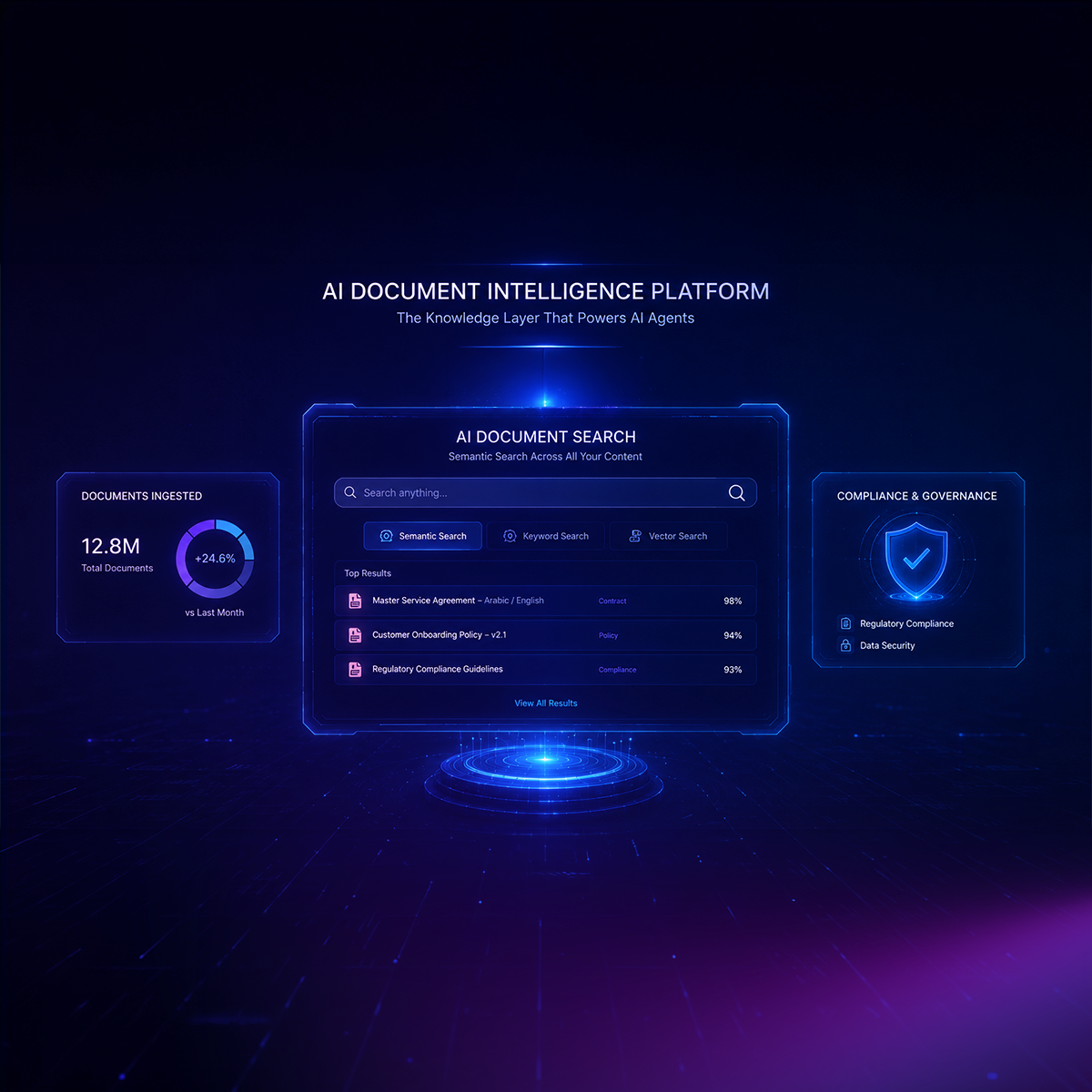
Compare the best AI document search tools for enterprise document AI, RAG-powered knowledge search, Arabic document intelligence, and CX automation. Learn how Wittify AI helps MENA enterprises search documents, extract insights, and automate workflows securely.
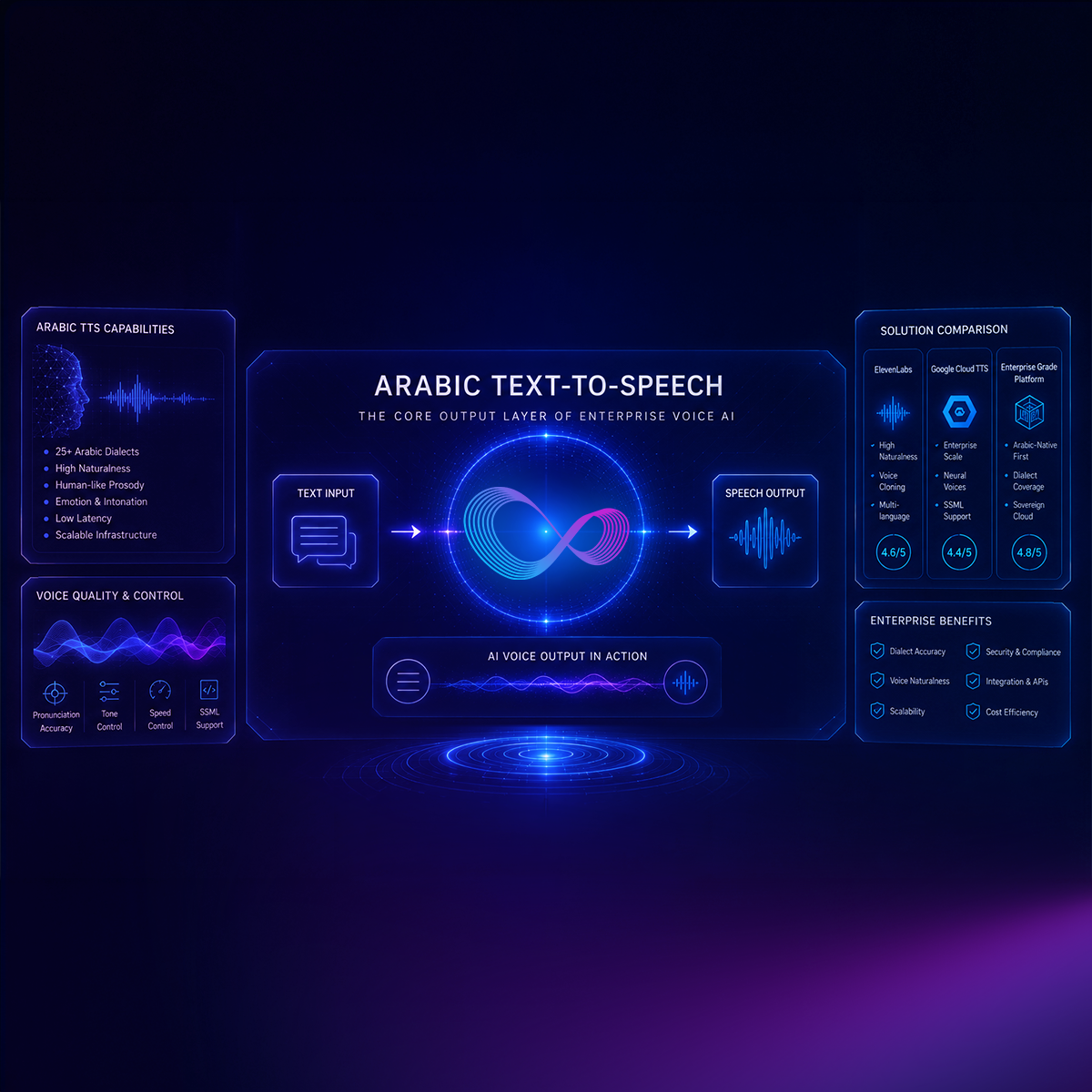
Examine the architectural role of Arabic TTS within enterprise voice AI systems. Compare CX automation vendors and voice infrastructure systems for the MENA region.
Wittify.ai is a pioneering AI company specializing in the development of AI agents and applications aimed at automating and streamlining customer engagement activities and processes across various industries. Our mission is to empower businesses by enhancing their customer experience operational efficiency and enabling innovation through intelligent automation.

Information security management system
Business Continuity Management System
Quality Management System

Personal Data Protection Law Compliance
Personal Data Protection Law Compliance
General Data Protection Regulation Compliance


.png)


