


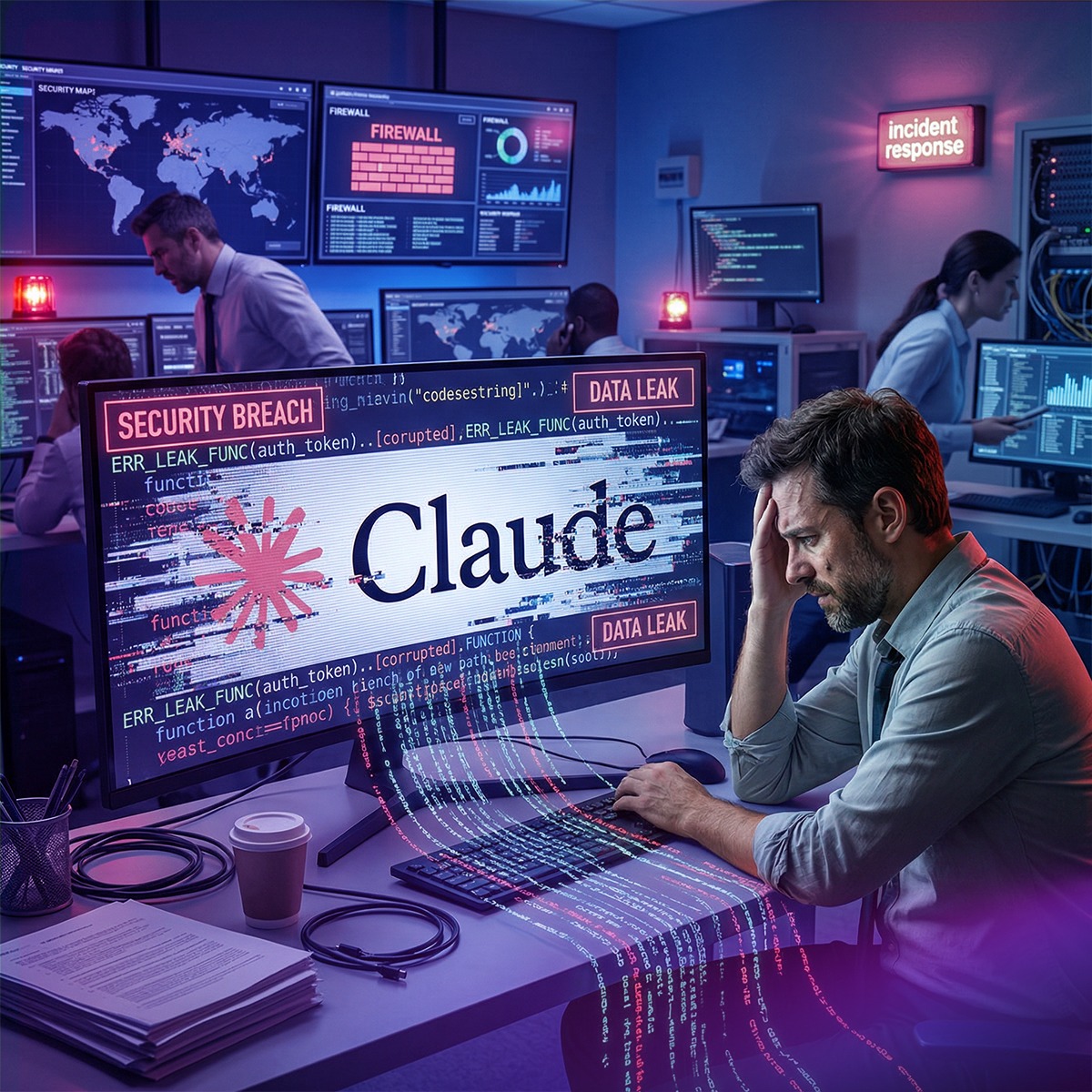
In March 2026, Anthropic accidentally exposed 513,000 lines of Claude Code's proprietary source code, not through a cyberattack, but a single human error. Here's what every enterprise leader in the MENA region needs to learn from it.
On March 31, 2026, one of the world's most well-funded AI companies did something no hacker could have planned better: it gave away its most valuable IP for free.
Anthropic, the maker of Claude, accidentally published the full source code of Claude Code, its flagship AI coding agent, inside a routine software update. No cyberattack. No breach. A single misplaced .map file, bundled into a public npm package update, exposed over 512,000 lines of TypeScript code across 1,906 files. Within hours, the code had been mirrored on GitHub with over 50,000 forks.
Anthropic's official statement: "This was a release packaging issue caused by human error, not a security breach."
That one sentence deserves the full attention of every enterprise decision-maker.
Before unpacking the lesson, it helps to understand what was actually exposed. This was not just leaked code. It was a detailed look at how Anthropic's AI agents actually work behind the scenes, none of which had ever been made public.
Buried inside those 512,000 lines were things Anthropic had never disclosed:
No customer data or model weights were exposed. But what was exposed may have been worth even more: the full architecture, the real limitations, the unreleased roadmap, and the gap between what was marketed and what was real.
Here is the insight most commentators are missing: AI did not fail here. Deployment did.
Anthropic's models are among the most technically advanced in the world. Their safety research is world-class. And yet, one gap in their release process, a manual step that "should have been better automated," wiped out years of competitive advantage in a matter of hours.
Analysts at InfoWorld noted that this incident highlights a structural gap in how enterprises approach AI. Governance models are still built around traditional, predictable software, while AI systems are now capable of acting, deciding, and executing on their own.
Think of it this way: a missed code review, a skipped build step, a misconfigured setting. Each one seems harmless on its own. When they all happen at the same time, the result can be catastrophic. That is exactly what happened here.
The real danger is not that your AI will make a harmful independent decision. The real risk lives in the human processes around it: the deployment steps, the access controls, the audit trails, and the workflows that hold the whole system together.
This connects directly to what we explored in our previous blog, Who Will Win the Enterprise AI Race: The Smartest or the Most Disciplined? The Claude Code incident is a live example of exactly why governance is the real competitive advantage.
Most enterprises evaluating AI vendors today are asking the wrong questions. "How accurate is the model?" "How fast does it respond?" "What languages does it support?" These all matter. But they are not the right first questions.
The right first question is: "How is this system deployed, governed, and maintained, and what happens when something goes wrong?"
What the Claude Code leak showed is that even the best model in the world can become a liability when the human systems around it are weak. Here is what every enterprise should be evaluating in any AI vendor:
At Wittify, the most important word in enterprise AI is not "intelligence." It is reliability.
That is why Wittify was built from day one with enterprise governance as a core principle, not an add-on. The platform holds three simultaneous ISO certifications: ISO 9001 for Quality Management, ISO 27001 for Information Security, and ISO 22301 for Business Continuity, all secured just four months after launch.
When Anthropic confirmed their leak came from "a manual deploy step that should have been better automated," they described exactly the kind of gap Wittify was designed to close for enterprises across the MENA region. The human layer around your AI is not a secondary concern. It is where your real risk lives.
The Claude Code incident will not be the last of its kind. As AI agents become a standard part of contact centers, back-office operations, and customer journeys, the enterprises that succeed will not be the ones who adopted AI earliest. They will be the ones who built the right system around it.
CTA: Ready to deploy AI your leadership team can fully stand behind? Explore Wittify's enterprise platform at wittify.ai →
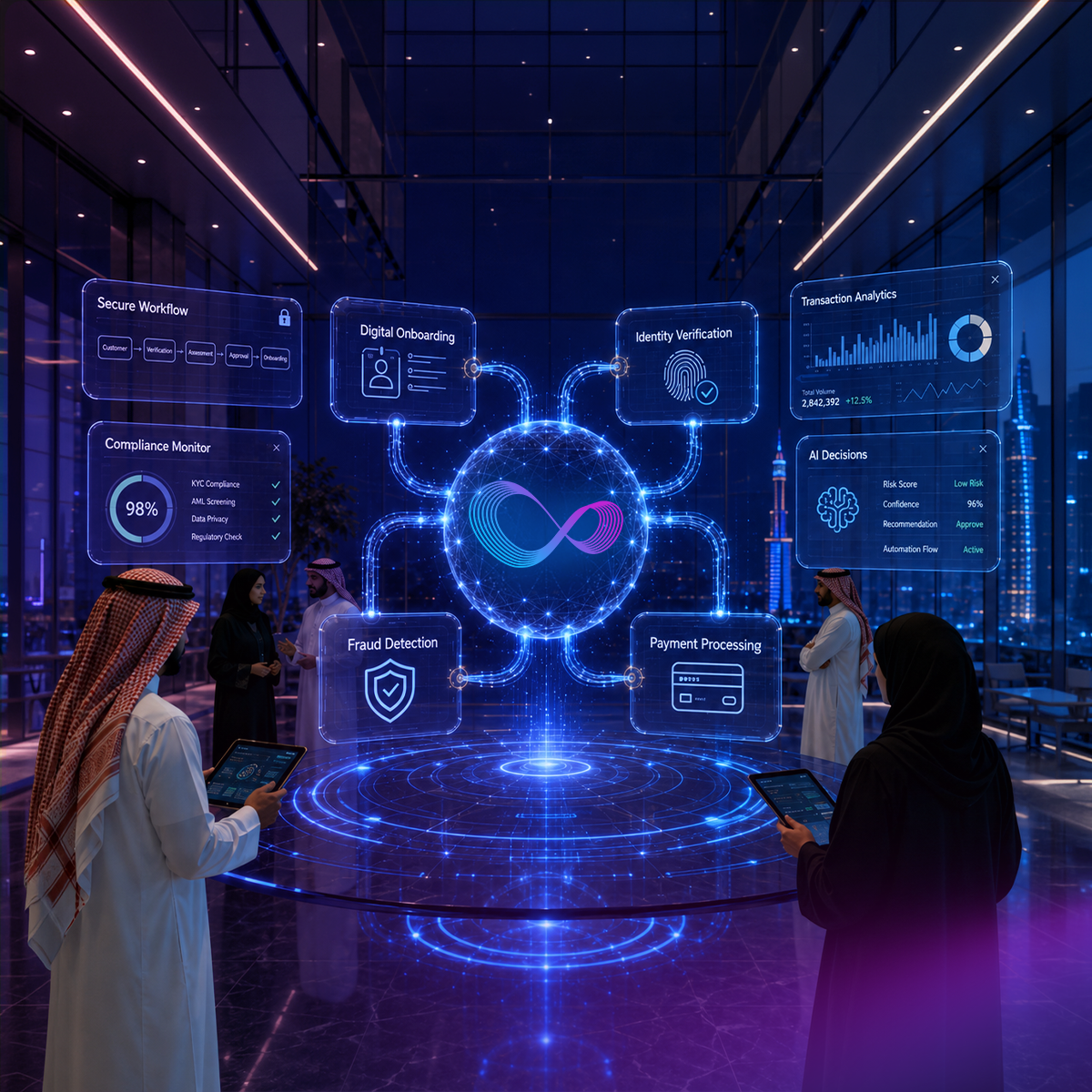
Discover how AI is transforming fintech customer experience in 2026 — from KYC and fraud alerts to Arabic-first support across MENA financial markets.

Most CX automation deployments stall before daily operational use. This guide covers 10 CX automation best practices, from escalation design to omnichannel continuity, with specific guidance for multilingual and Arabic-first contact centers.
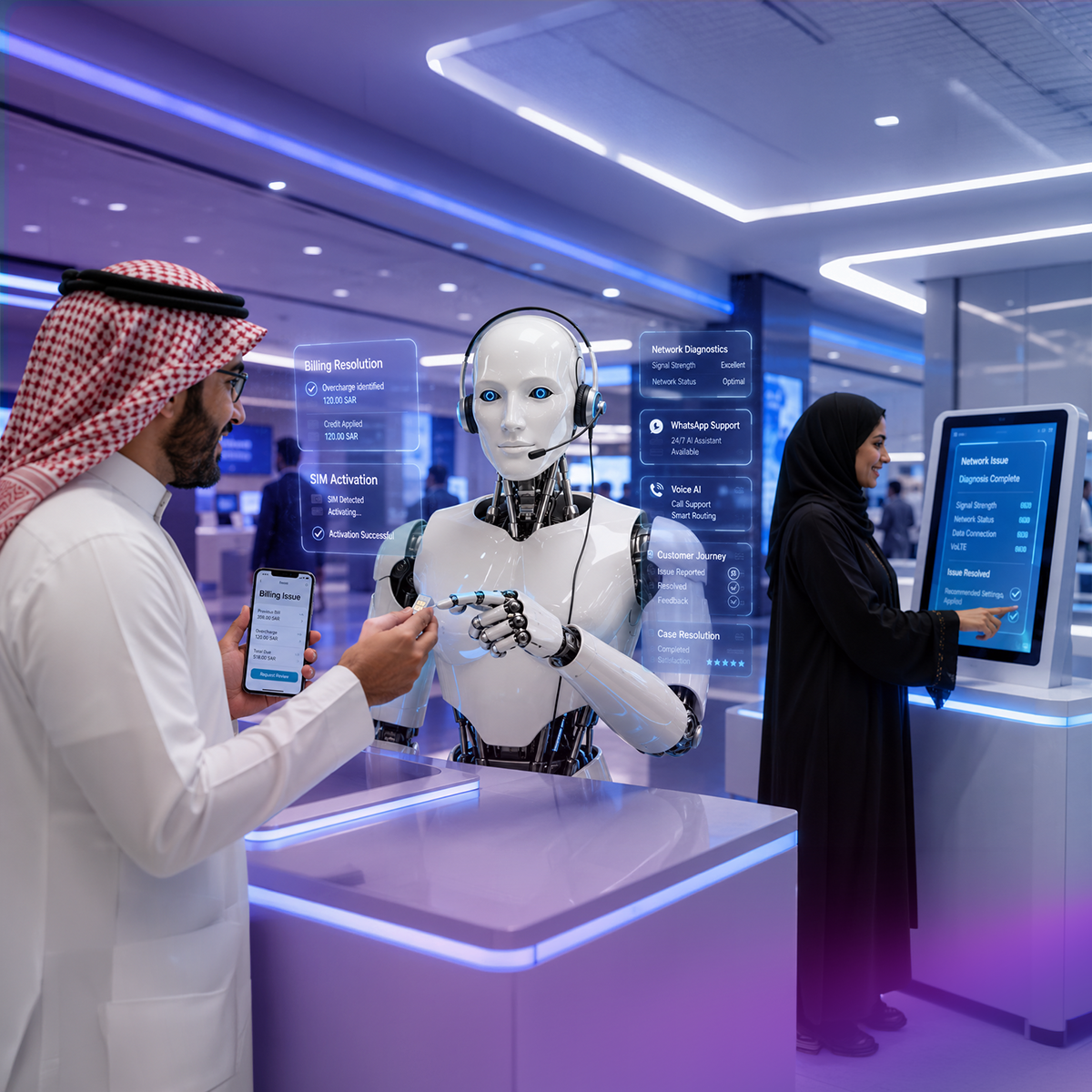
Explore how AI is transforming telecom customer experience. Compare top platforms including NICE CXone and Arabic-first alternatives built for MENA telecom operators.
Wittify.ai is a pioneering AI company specializing in the development of AI agents and applications aimed at automating and streamlining customer engagement activities and processes across various industries. Our mission is to empower businesses by enhancing their customer experience operational efficiency and enabling innovation through intelligent automation.

Information security management system
Business Continuity Management System
Quality Management System

Personal Data Protection Law Compliance
Personal Data Protection Law Compliance
General Data Protection Regulation Compliance


.png)


