



Press 1 for Sales" is dead. Discover how Wittify's Voice AI replaces hated IVR menus with a conversational brain that listens, understands, and acts instantly.
Please listen carefully, as our menu options have changed.
Is there a sentence in the English language that induces more immediate frustration than that one?
For decades, the Interactive Voice Response (IVR) system—better known as the "Phone Tree"—has been the gatekeeper of customer support. It was designed with a noble purpose: to route calls efficiently. But over time, it has evolved into a labyrinth of frustration. Customers find themselves trapped in circular menus, screaming "Representative!" at a robot that doesn't understand them, only to be put on hold for 45 minutes.
The IVR is not a door; it’s a wall. And in 2026, keeping this wall up is a strategic error.
The technology now exists to tear down the phone tree and replace it with a Conversational Brain. With Wittify’s Voice AI, you can create a phone experience where menus don't exist. You just pick up, speak, and the problem gets solved.
The fundamental flaw of the traditional IVR is that it forces the human customer to adapt to the machine's logic.
This friction destroys your Net Promoter Score (NPS) before a human agent even says hello.
The "Conversational Brain" flips this dynamic. It forces the machine to adapt to the human. It uses Natural Language Understanding (NLU) to listen to the customer’s intent, regardless of how they phrase it.
Wittify is not just a chatbot builder; it is a full-stack telephony automation suite. It allows you to deploy Voice AI agents that handle phone calls with the same intelligence and empathy as your best human agents.
Here is how replacing your IVR with Wittify changes the game:
Imagine a customer calls your airline support line.
There are no buttons to press. The AI extracts the Intent (Change Flight), the Entity (London), and the Timeframe (Next Tuesday) instantly.
One of the hardest things to get right in Voice AI is the natural flow of conversation. Humans interrupt each other constantly.If a standard bot is reading a long script, and the customer shouts "Wait, not Tuesday, Wednesday!", most bots will keep talking or crash.
Wittify’s agents are designed with low-latency interruptibility. If the customer speaks, the AI listens immediately. It mimics the natural cadence of human speech, making the caller feel heard, not lectured.
A common fear is: "Will the bot understand my customers' accents?"Standard "Text-to-Speech" engines struggle here. However, Wittify is built for the global market. It doesn't just speak "Robotic English." It supports localized dialects and nuances. Whether your customer speaks in Gulf Arabic, Egyptian slang, or Australian English, Wittify’s NLU models are trained to parse meaning from the messy reality of human speech.
Replacing your IVR isn't just a "nice to have" CX upgrade; it’s a massive efficiency driver.
Traditional IVRs act as routers—they just move the problem to a human. Wittify Voice AI acts as a Solver.Because the AI can integrate with your backend APIs, it can actually perform tasks. It can reset a PIN, track a package, or rebook an appointment entirely over the phone without human intervention. This deflects 40-60% of calls away from your expensive human agents.
Human agents are often pressured to rush calls to keep costs down. An AI agent has infinite patience and costs pennies per minute. It can spend time verifying security questions or explaining a complex policy without burning out or costing you overtime pay.
Hiring a night shift for your call center is expensive and difficult to staff. Wittify Voice AI never sleeps. It provides the same high-quality, conversational support at 3:00 AM on a Sunday as it does at 10:00 AM on a Monday.
You don't have to delete your entire phone system overnight. The best way to deploy Wittify Voice AI is using the "Strangler Pattern"—gradually replacing parts of your system.
The "Phone Tree" was a technology built for the constraints of the 1990s. In the age of Generative AI, it is an obsolete relic that signals to your customers: "We value our operational efficiency more than your time."
By switching to Wittify, you send a new message: "We are listening."
It is time to hang up on the IVR and start having real conversations.
Hear the Difference – Try Wittify Voice NOW!
.jpeg)
Most contact centers still rely on sample-based QA. The real issue is not speed. It is visibility across every interaction, channel, and agent. Sample-based QA no longer gives contact centers the visibility they need. Here is why modern teams need broader insight across human and AI-led interactions.
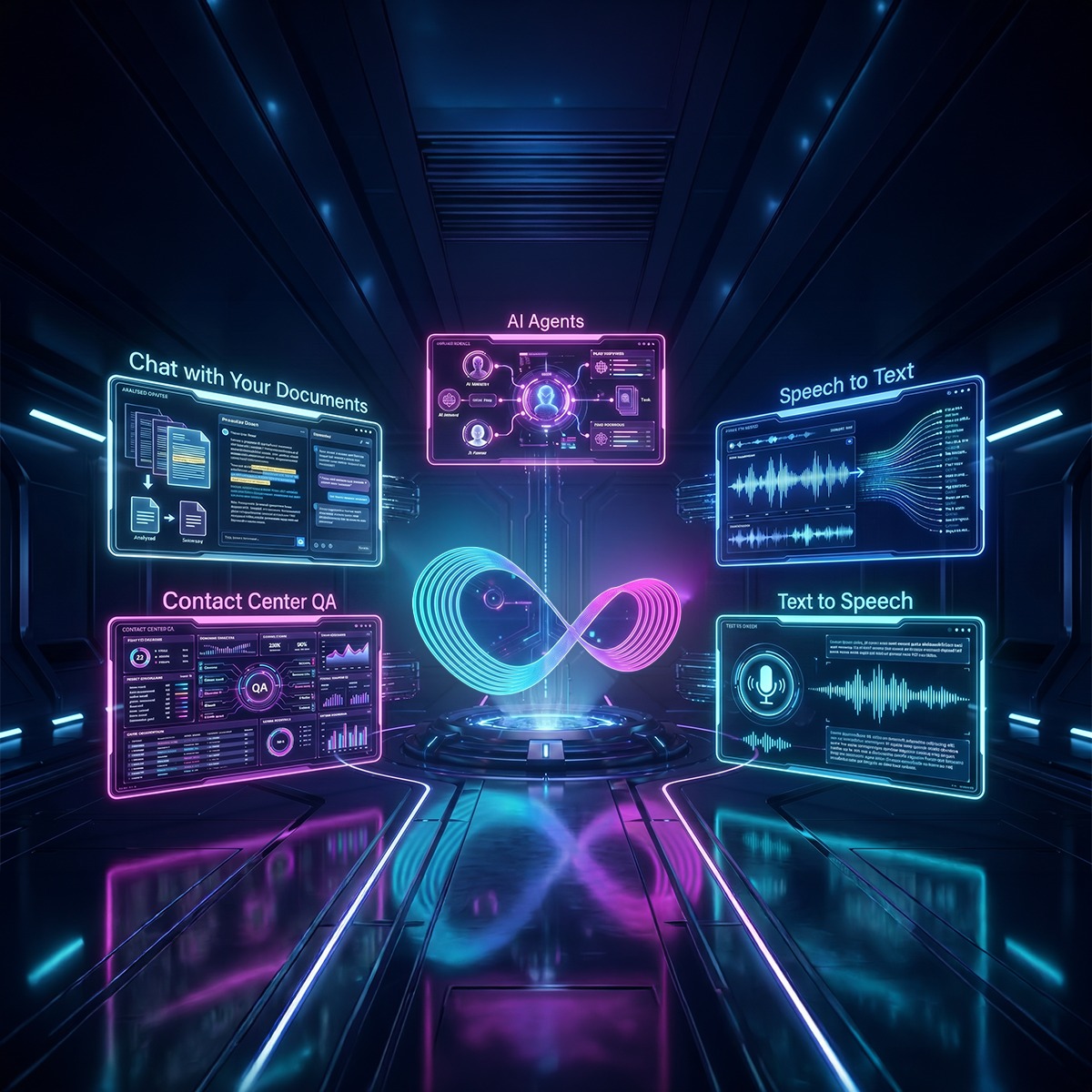
Wittify began with AI Agents that could act. Today, they listen across Arabic dialects, sound human, review 100% of conversations, and cite every answer from your data. Here’s how Wittify’s five products evolved into an accountable enterprise AI stack.
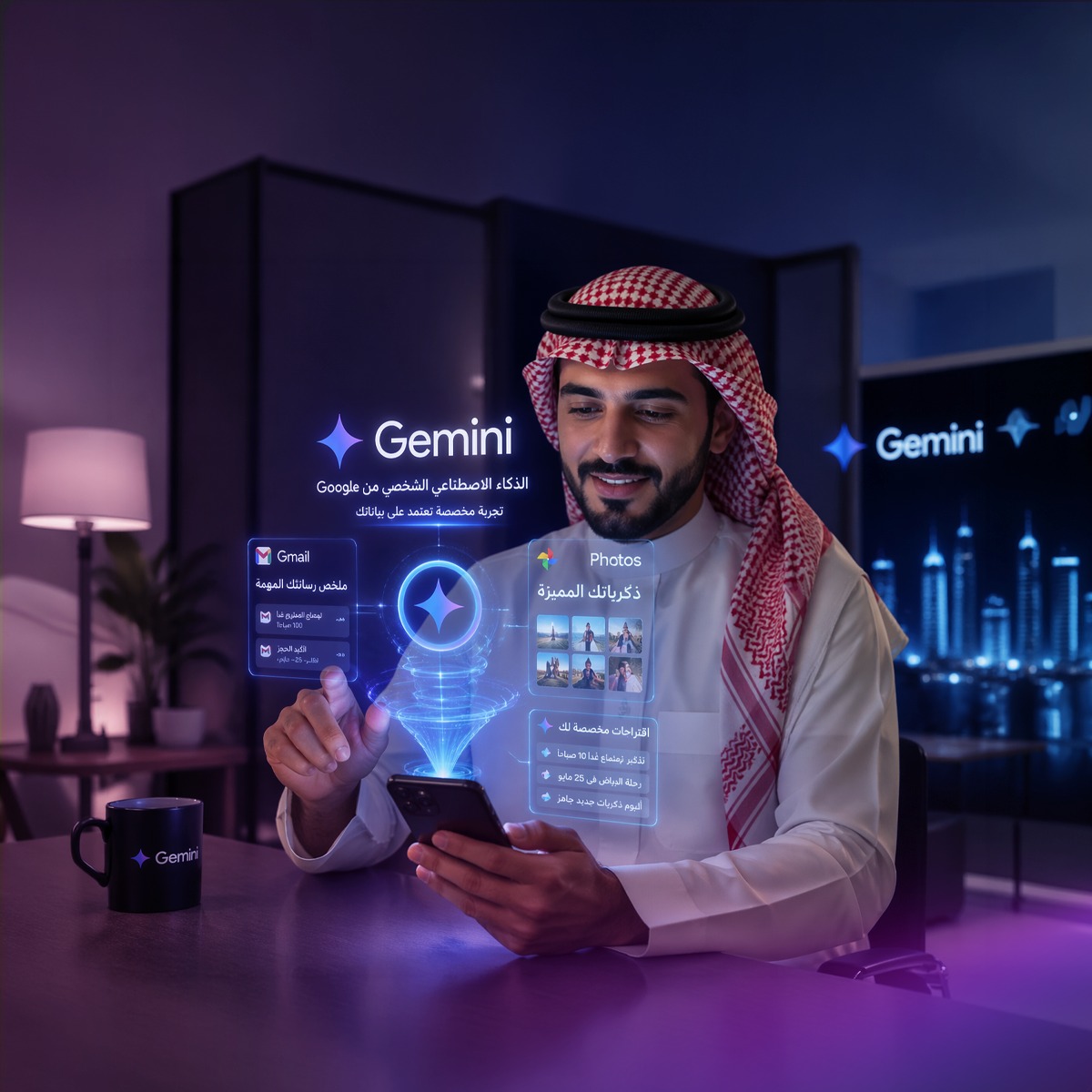
Google has launched Gemini's Personal Intelligence feature across the Arab world, connecting Gmail, Photos, and personal apps for tailored AI experiences. Here's what this means for Arabic-speaking users and enterprise conversational AI in the MENA region.
Wittify.ai is a pioneering AI company specializing in the development of AI agents and applications aimed at automating and streamlining customer engagement activities and processes across various industries. Our mission is to empower businesses by enhancing their customer experience operational efficiency and enabling innovation through intelligent automation.

Information security management system
Business Continuity Management System
Quality Management System

Personal Data Protection Law Compliance
Personal Data Protection Law Compliance
General Data Protection Regulation Compliance


.png)


