


As Gartner projects global AI spending to hit $2.5 trillion in 2026, the market is shifting from experimental hype to essential infrastructure. Discover how this massive investment creates unique opportunities and competitive risks for enterprises across the MENA region.
The landscape of artificial intelligence is no longer defined by speculative "what-ifs" or viral chatbot demos that perform parlor tricks. According to the latest Gartner forecast released this week, global AI spending is projected to reach a staggering $2.52 trillion by 2026. This isn't just a numerical milestone; it represents a fundamental tectonic shift in how global enterprises view AI—moving it from the periphery of R&D labs and "moonshot" projects directly into the core of essential corporate infrastructure.
The jump to the $2.5 trillion mark signals the official end of the "AI tourist" era. For the past two years, organizations were content with small-scale pilots and "proof of concepts" that often stayed siloed within IT departments. In 2026, the spending reflects a maturation of the market. Gartner analysts point out that AI has moved past the "Trough of Disillusionment" and is now entering the "Plateau of Productivity."
Enterprises are no longer asking if AI works; they are demanding predictable returns. In fact, over 50% of investors now expect positive ROI from AI initiatives in six months or less. This pressure is driving a shift away from visionary experiments toward practical, automated workflows in finance, HR, and supply chain management. This sustained investment demonstrates a profound market confidence in AI as a permanent industrial production factor.
A critical detail in the 2026 forecast is where the money is going. More than half of the total spend—approximately $1.37 trillion—is being poured into AI infrastructure. This includes AI-optimized servers, high-density cooling systems, and specialized chips.
For regional players in the MENA market, this global surge validates the massive Total Addressable Market (TAM) for localized AI platforms. However, it also serves as a warning. As global giants build out this massive technical foundation, the barrier to entry for latecomers becomes steeper. Regional enterprises must decide whether they will build on global "black-box" stacks or invest in sovereign solutions that offer more control.
The growth in spending creates a dual-edged sword for businesses in the Middle East:
To navigate this landscape, it is vital to compare the experimental approach of the past with the infrastructure-first mindset required today.
In 2026, we are also seeing the convergence of "Agentic AI" with core business systems. Instead of just generating text, AI agents are now performing multi-step tasks—triaging support tickets, optimizing logistics in real-time, and even conducting automated compliance audits. This shift moves AI from a "tool you talk to" to a "digital coworker you work with."
This is why specialized platforms are outperforming generic ones. A generic model can't access your private CRM or understand your specific regional tax laws. Strategic AI platforms, however, are built to be integrated, connecting directly to your internal databases to ensure the AI isn't just an add-on, but a functional part of your operations.
To see how this plays out in real-world comparisons, you might find our analysis on Genesys vs. Wittify: Are Genesys AI Agents Really the Same? useful for understanding why specialized, localized architecture is essential for achieving the ROI that 2026 demands.
The Gartner forecast is a clear call to action. By the end of 2026, AI will be as foundational to business as the internet or the electrical grid. For MENA enterprises, the mission is to ensure that their share of this $2.5 trillion spend goes toward building sustainable, sovereign, and high-ROI infrastructure. The winners of 2026 will not be the ones with the largest models, but the ones with the most integrated and localized systems.
Ready to lead the AI transformation in your industry? Explore Wittify today.
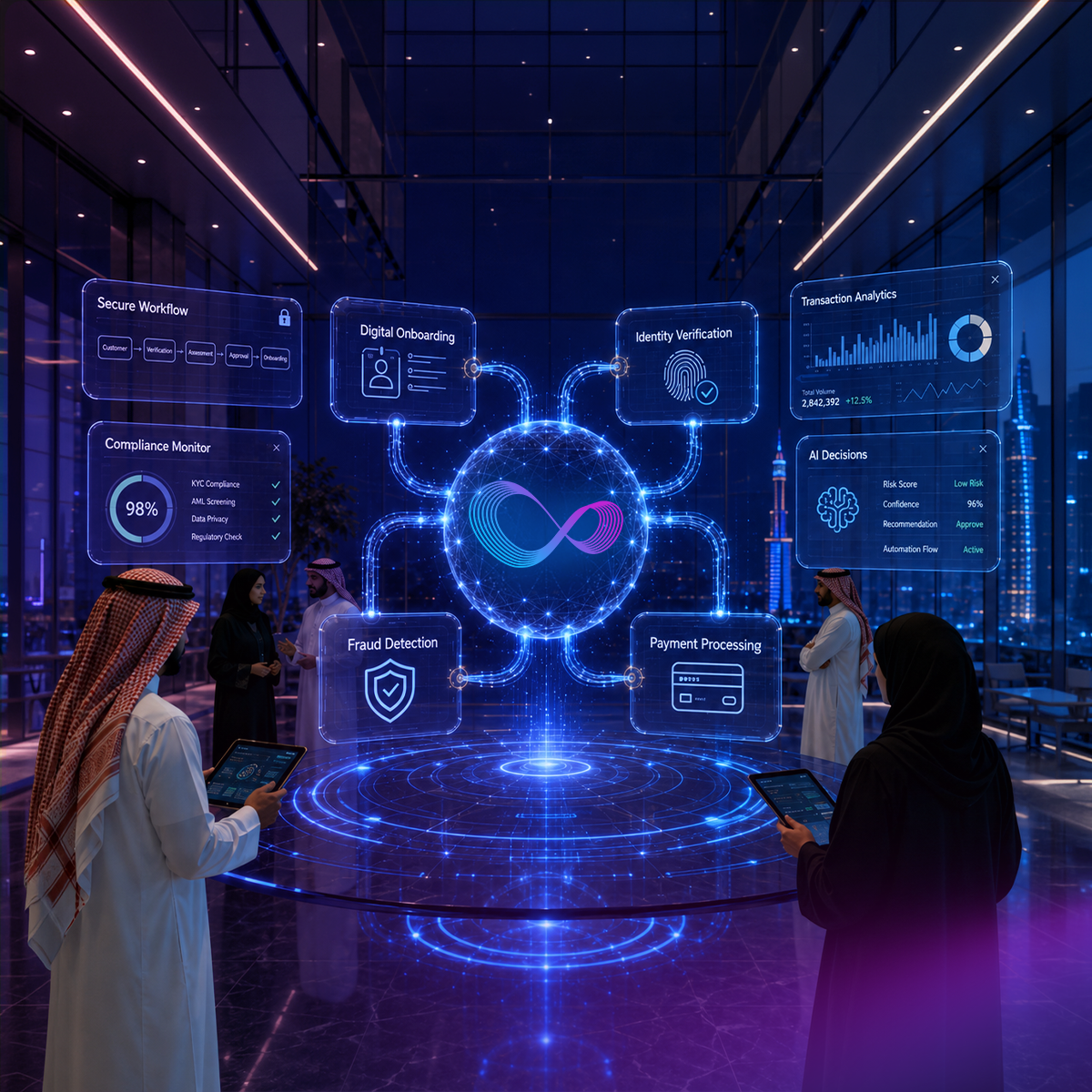
Discover how AI is transforming fintech customer experience in 2026 — from KYC and fraud alerts to Arabic-first support across MENA financial markets.

Most CX automation deployments stall before daily operational use. This guide covers 10 CX automation best practices, from escalation design to omnichannel continuity, with specific guidance for multilingual and Arabic-first contact centers.
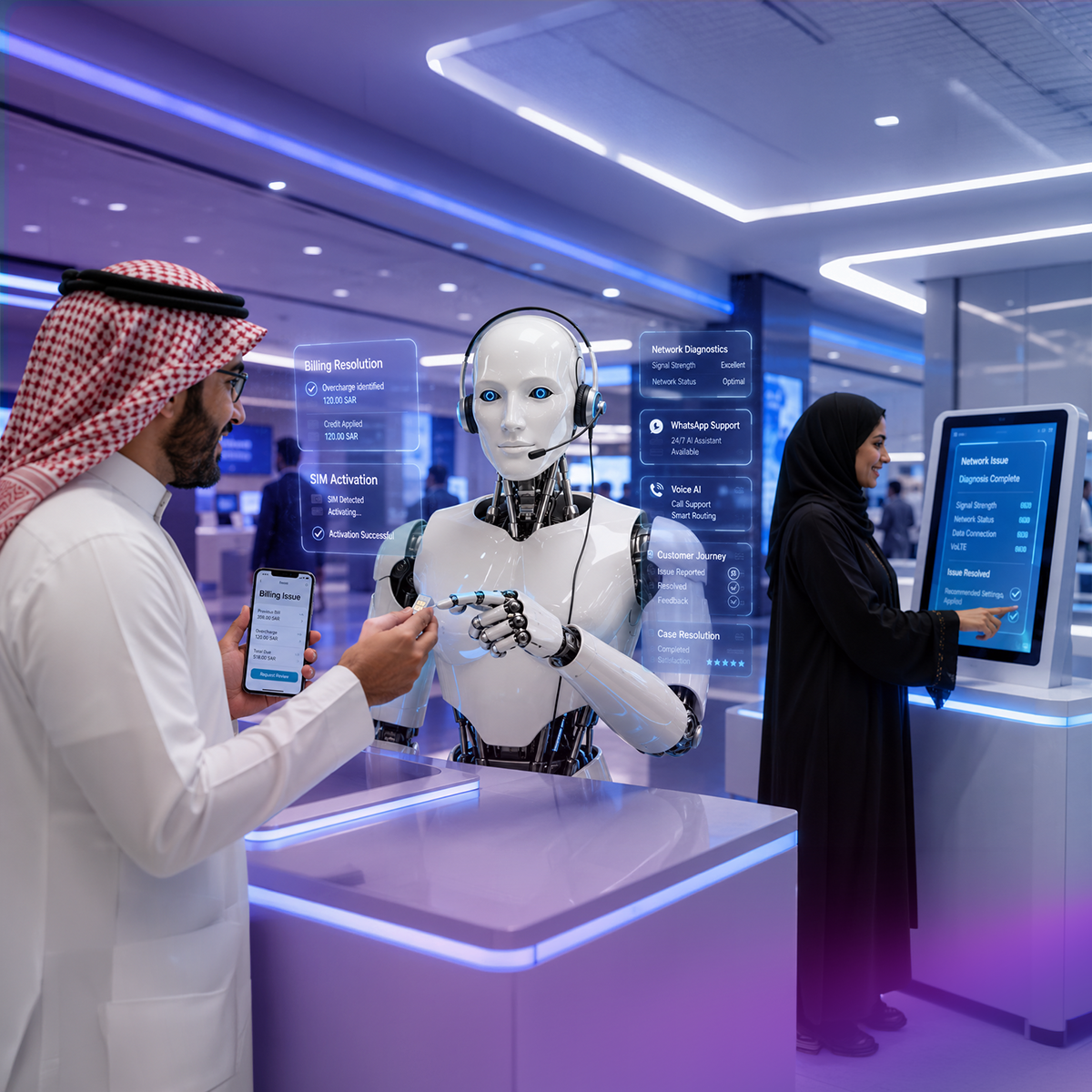
Explore how AI is transforming telecom customer experience. Compare top platforms including NICE CXone and Arabic-first alternatives built for MENA telecom operators.
Wittify.ai is a pioneering AI company specializing in the development of AI agents and applications aimed at automating and streamlining customer engagement activities and processes across various industries. Our mission is to empower businesses by enhancing their customer experience operational efficiency and enabling innovation through intelligent automation.

Information security management system
Business Continuity Management System
Quality Management System

Personal Data Protection Law Compliance
Personal Data Protection Law Compliance
General Data Protection Regulation Compliance


.png)


