



Stop viewing customer support as a cost center. Discover how Wittify's omnichannel AI agents can clone your best salespeople, solving problems and upselling in the same breath.
For decades, businesses have looked at Customer Support through a single, limiting lens: The Cost Center.
It is viewed as a necessary evil—a department that "bleeds" money to keep customers from leaving. The metrics reflect this mindset: managers obsess over reducing Average Handling Time (AHT) and Cost Per Ticket. The goal is always to get the customer off the phone (or chat) as cheaply as possible.
But this mindset is leaving money on the table.
In 2026, the most forward-thinking companies are flipping the script. They are using AI not just to deflect tickets, but to generate revenue. They are realizing that the moment a customer problem is solved is actually the perfect moment to sell.
With platforms like Wittify, you can now deploy AI agents that don't just act like support reps—they act like your top-performing salespeople, cloned at infinite scale.
Think about your best human sales representative. What makes them great?It isn't that they are pushy. It’s that they are helpful.
They listen to the customer's needs, identify the friction points, and offer a solution that makes life better. Ironically, this is exactly what a great support agent does, too.
There is a concept in behavioral economics called the Service Recovery Paradox. It states that a customer who has a problem that is successfully and quickly resolved often becomes more loyal (and willing to spend) than a customer who never had a problem in the first place.
The Trust Factor:When a customer reaches out to support, they are vulnerable. When you fix their issue instantly, you build immense trust.
You can’t clone your best human salesperson. They can only handle one call at a time, they need sleep, and they can’t speak 100 languages.
AI Agents can.
With Wittify, you can build an AI agent that mimics the behaviors of your best closer. It doesn't just process logic; it understands intent and context.
Imagine a Telecom customer complains that their internet is slow.
The customer gets their speed back. You get $3. The support interaction just paid for itself.
This strategy fails if you rely on email ticketing or clunky web forms. Nobody buys an impulsive upsell via an email thread that takes 24 hours to resolve.
Commerce happens where conversation happens.
This is where Wittify’s Omnichannel capability becomes the engine of revenue. You need to meet the customer on the platforms where they are comfortable spending money: WhatsApp, Instagram, and SMS.
By moving support out of the "Ticket Portal" and into the "Chat App," you remove the friction between asking and buying.
How does this look in practice across different industries?
Moving to a revenue-first support model requires finesse. You don't want your support bot to feel like a spammy ad.
The rule of thumb for configuring your Wittify agents is Help First, Sell Second.
Your support team talks to your customers more than anyone else in your company. Every single one of those conversations is an opportunity.
If you view these interactions purely as a cost to be minimized, you are playing a defensive game. By equipping your team with Wittify’s intelligent, omnichannel agents, you can go on the offensive. You can turn your support volume into a sales pipeline, proving once and for all that great service pays for itself.
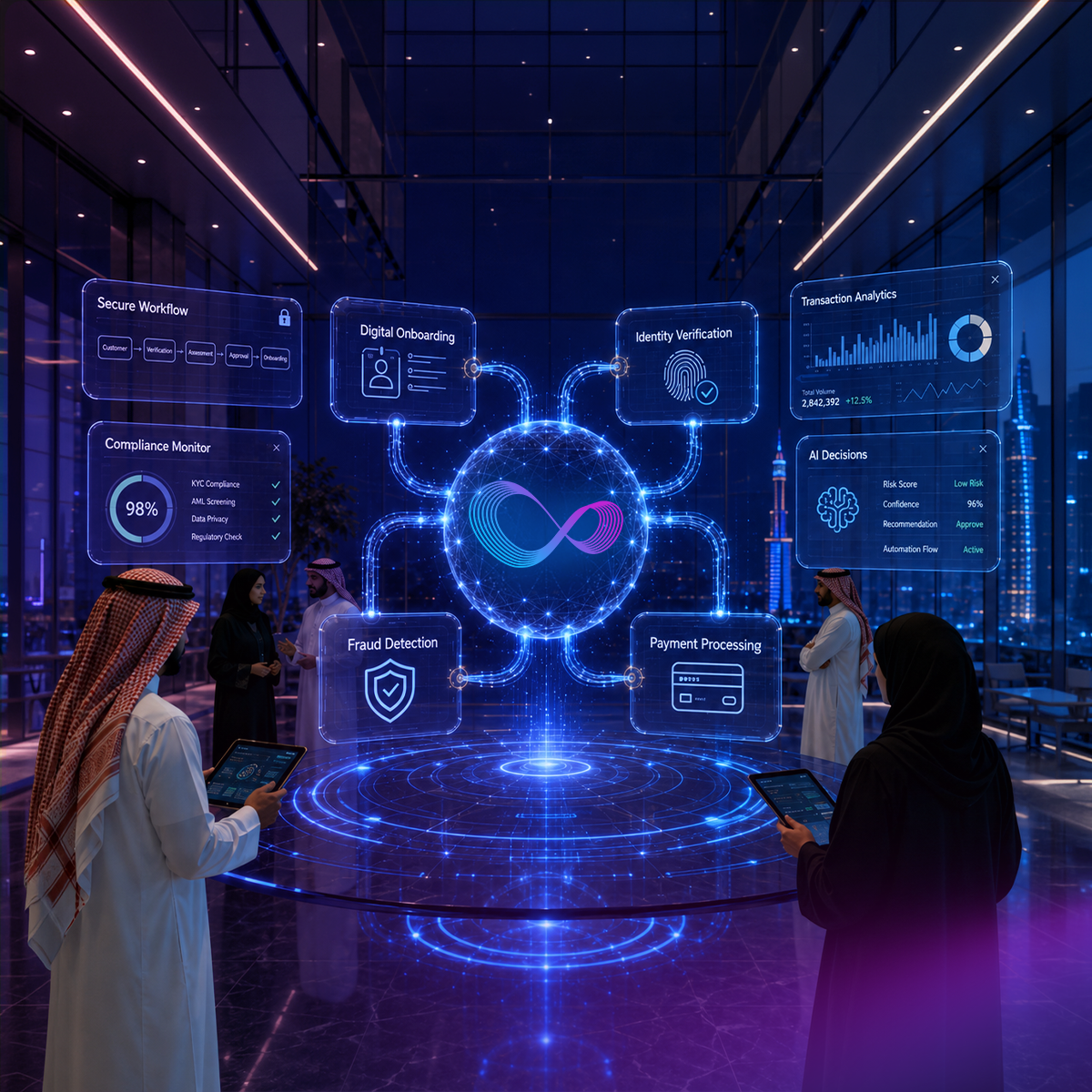
Discover how AI is transforming fintech customer experience in 2026 — from KYC and fraud alerts to Arabic-first support across MENA financial markets.

Most CX automation deployments stall before daily operational use. This guide covers 10 CX automation best practices, from escalation design to omnichannel continuity, with specific guidance for multilingual and Arabic-first contact centers.
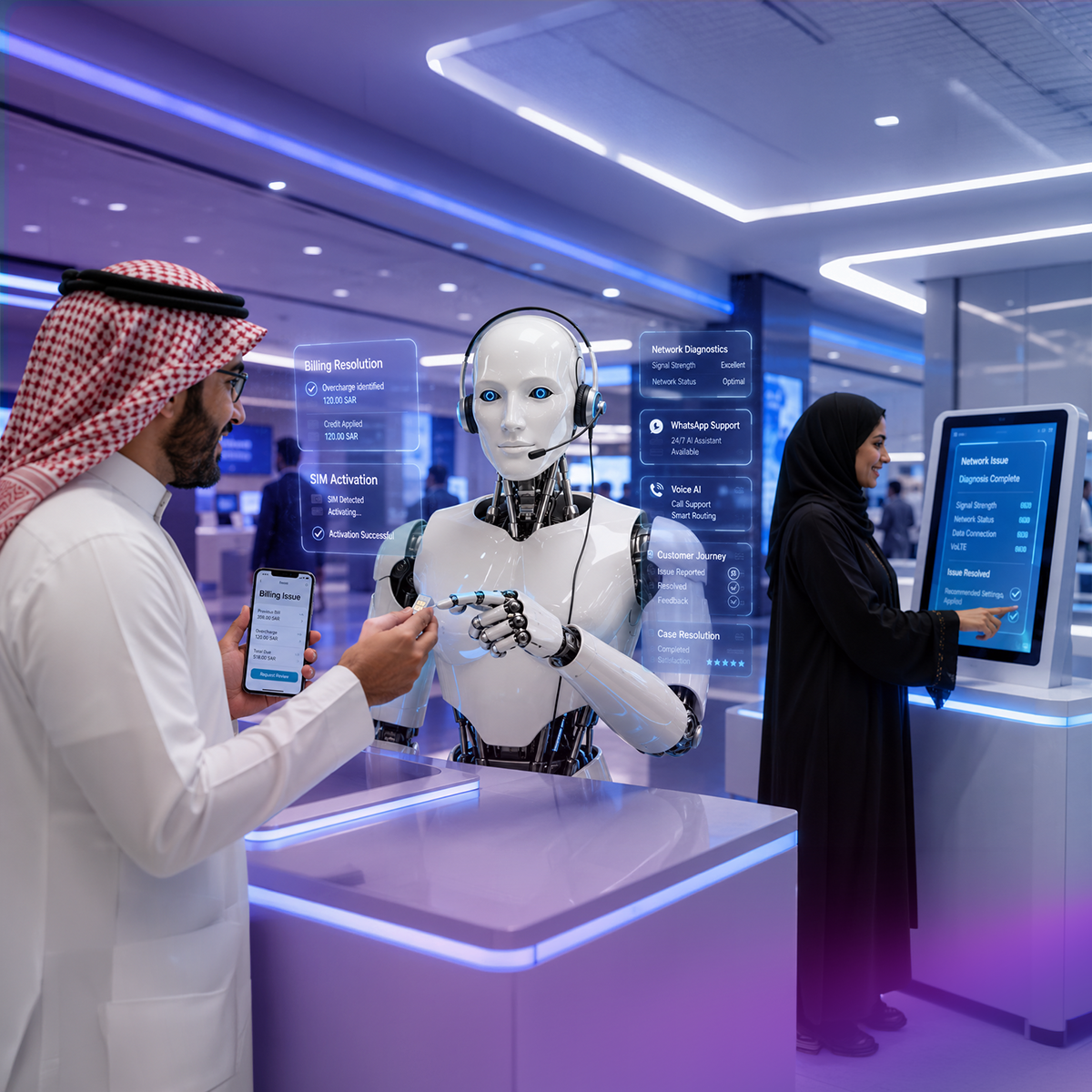
Explore how AI is transforming telecom customer experience. Compare top platforms including NICE CXone and Arabic-first alternatives built for MENA telecom operators.
Wittify.ai is a pioneering AI company specializing in the development of AI agents and applications aimed at automating and streamlining customer engagement activities and processes across various industries. Our mission is to empower businesses by enhancing their customer experience operational efficiency and enabling innovation through intelligent automation.

Information security management system
Business Continuity Management System
Quality Management System

Personal Data Protection Law Compliance
Personal Data Protection Law Compliance
General Data Protection Regulation Compliance


.png)


